possible sunscreen
Possible sunscreen refers to a range of sun protection products that help shield the skin from harmful UV rays. These products can vary in formulation, SPF levels, and application methods to cater to different skin types and preferences.
Featured brands
Authenticated productsVerified shops


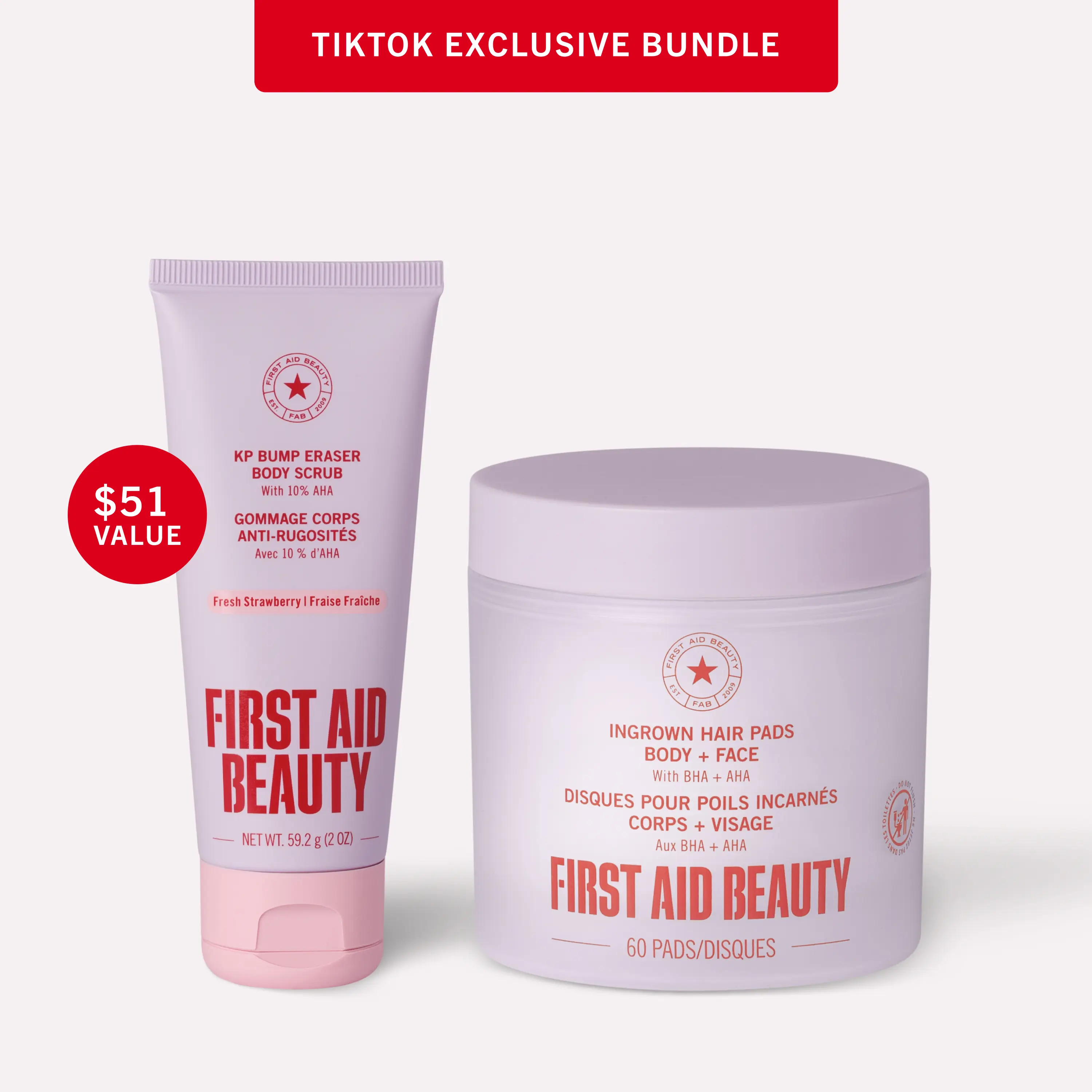
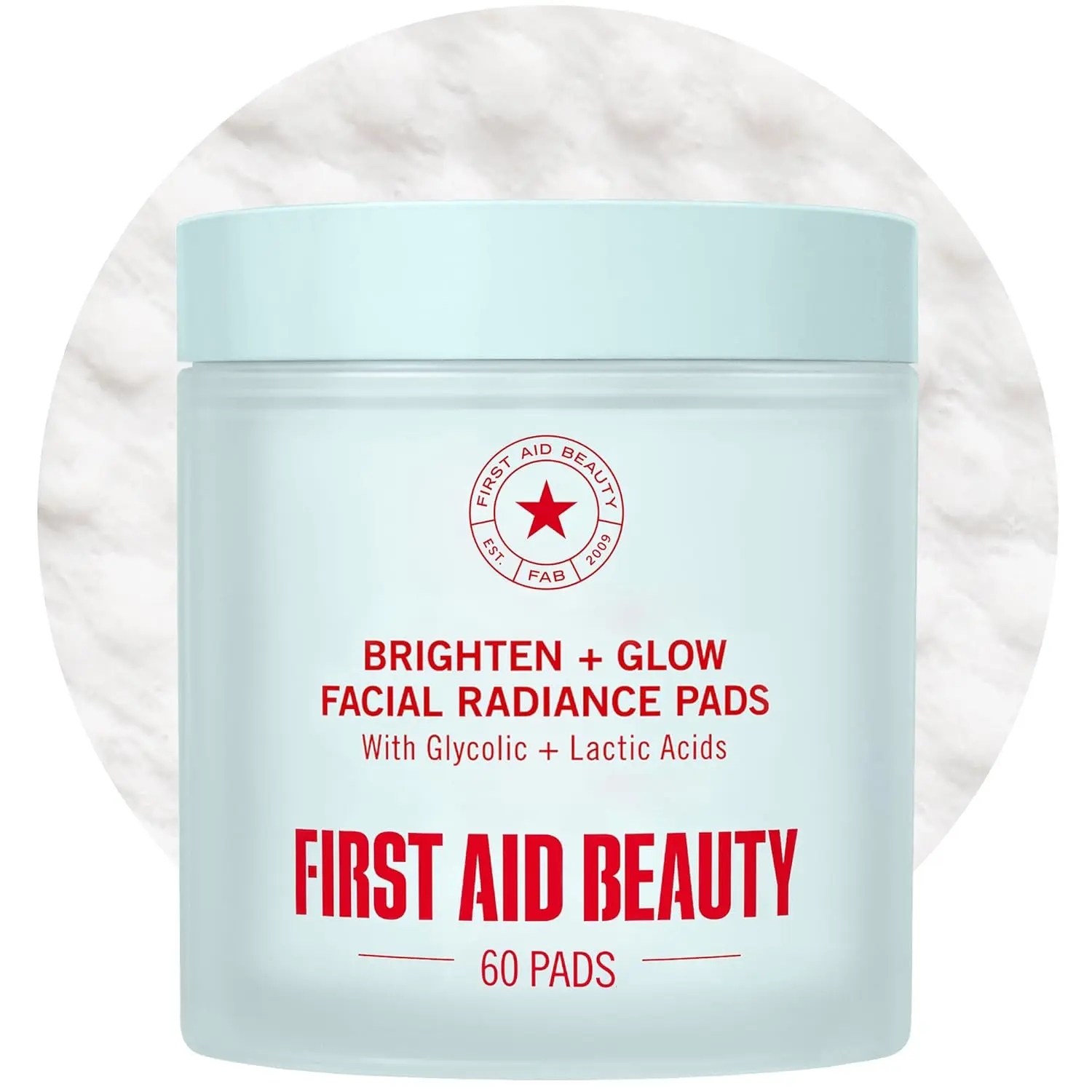
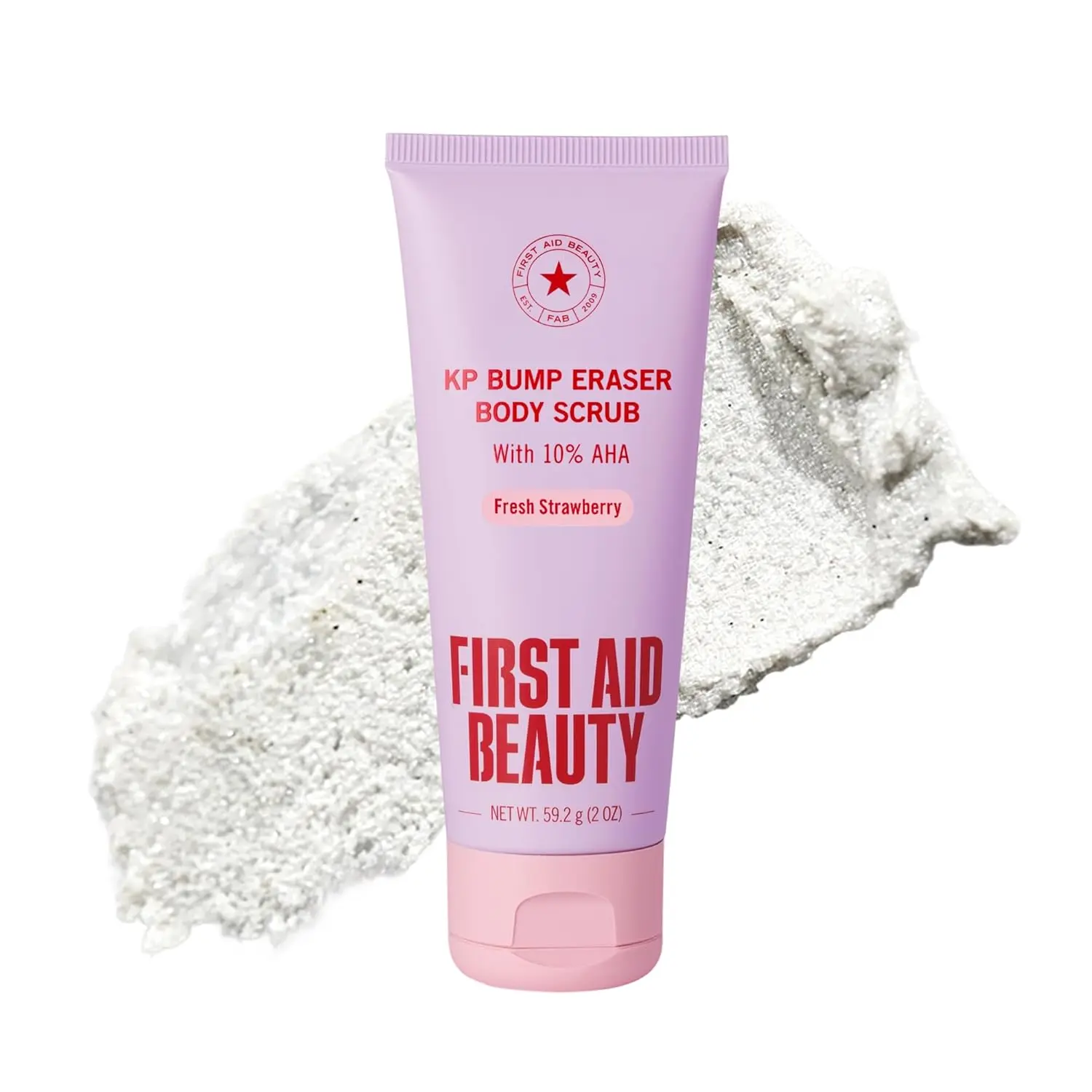
![[First Aid Beauty] KP Bump Eraser Body Scrub with 10% AHA, Keratosis Pilaris Skin Exfoliator with Glycolic and Lactic acids](https://p16-oec-general-useast5.ttcdn-us.com/tos-useast5-i-omjb5zjo8w-tx/d2a23a45bab0403d8e5015754e73c5b6~tplv-fhlh96nyum-crop-webp:2000:2000.webp?dr=12190&t=555f072d&ps=933b5bde&shp=8dbd94bf&shcp=a6e80448&idc=useast5&from=2378011839)
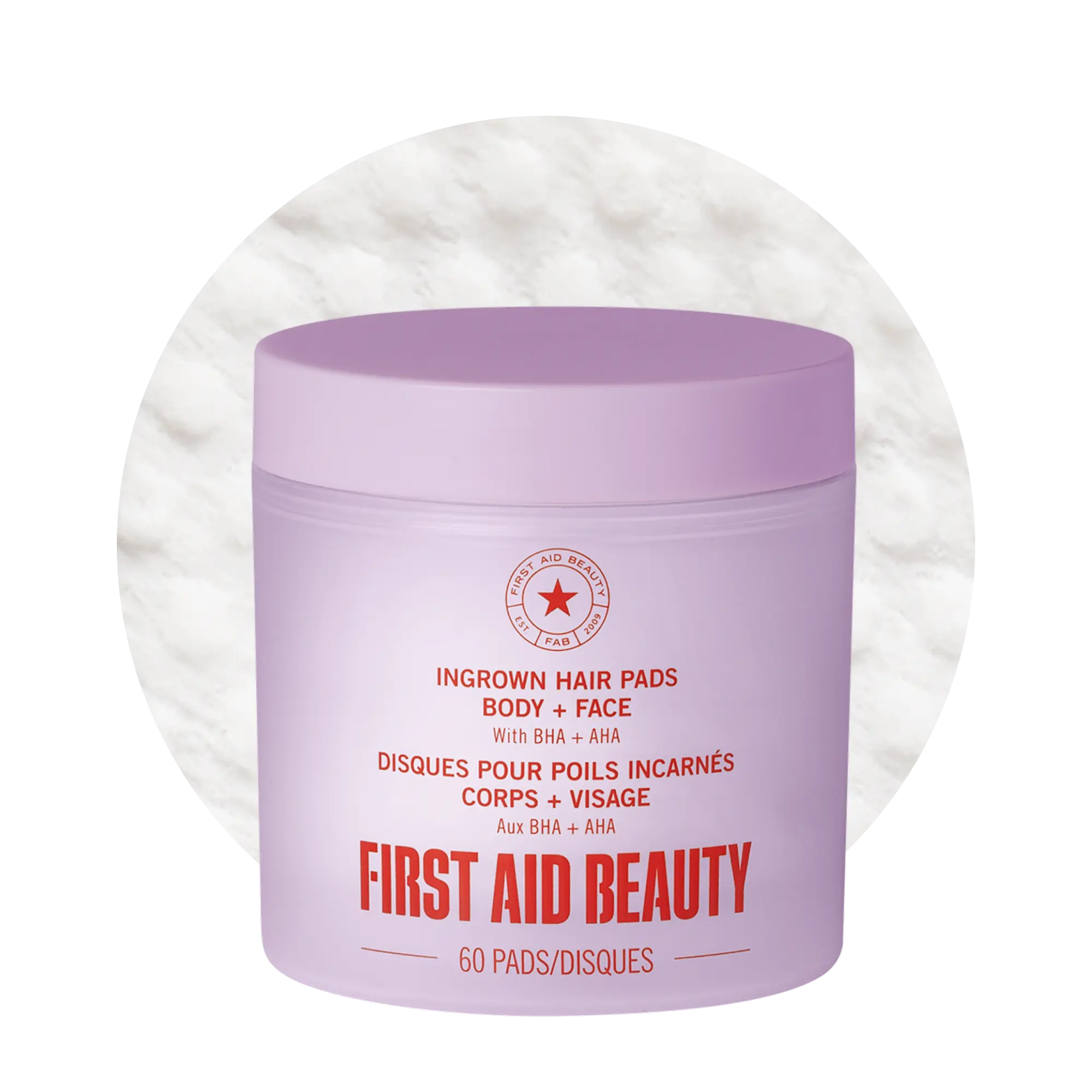

![[Beauty of Joseon Official] Daily Tinted Fluid Sunscreen 50mL | OTC Certified, SPF, Broad Spectrum Protection, Mineral based Sunscreen, Makeup](https://p16-oec-general-useast5.ttcdn-us.com/tos-useast5-i-omjb5zjo8w-tx/afc9226778e6477382fe8471747683d3~tplv-fhlh96nyum-resize-webp:600:600.webp?dr=12190&t=555f072d&ps=933b5bde&shp=8dbd94bf&shcp=a6e80448&idc=useast5&from=2378011839 "[Beauty of Joseon Official] Daily Tinted Fluid Sunscreen 50mL | OTC Certified, SPF, Broad Spectrum Protection, Mineral based Sunscreen, Makeup")


First Aid Beauty

4.9
250 sold
$38.00
![[SKIN1004 Official Shop] Hyalu-Cica Water-Fit Sun Serum UV 50ml (OTC) - Lightweight Sunscreen for Daily Use, Korean Sunscreen, Watery and Creamy Texture, Sunscreen for Sensitive Skin](https://p16-oec-general-useast5.ttcdn-us.com/tos-useast5-i-omjb5zjo8w-tx/7b95b208eb1643de86931b3e623b2dd4~tplv-fhlh96nyum-resize-webp:600:600.webp?dr=12190&t=555f072d&ps=933b5bde&shp=8dbd94bf&shcp=a6e80448&idc=useast5&from=2378011839 "[SKIN1004 Official Shop] Hyalu-Cica Water-Fit Sun Serum UV 50ml (OTC) - Lightweight Sunscreen for Daily Use, Korean Sunscreen, Watery and Creamy Texture, Sunscreen for Sensitive Skin")
![[Anti-aging SPF50] ROUND LAB Birch Juice Moisturizing Sun Serum 50ml](https://p16-oec-general-useast5.ttcdn-us.com/tos-useast5-i-omjb5zjo8w-tx/a3d3ba4ead51473c9ee7fb5b5e5dce9f~tplv-fhlh96nyum-resize-webp:600:600.webp?dr=12190&t=555f072d&ps=933b5bde&shp=8dbd94bf&shcp=a6e80448&idc=useast5&from=2378011839 "[Anti-aging SPF50] ROUND LAB Birch Juice Moisturizing Sun Serum 50ml")
![[OBgE Official Store] OBgE Oil Control Sun Stick SPF 50 | Soft-Matte Sunscreen Stick, Pore-Blurring Finish, Shine Control, 0.63 oz](https://p16-oec-general-useast5.ttcdn-us.com/tos-useast5-i-omjb5zjo8w-tx/f07e1ba1c59d496899364ce00e7b3227~tplv-fhlh96nyum-resize-webp:600:600.webp?dr=12190&t=555f072d&ps=933b5bde&shp=8dbd94bf&shcp=a6e80448&idc=useast5&from=2378011839 "[OBgE Official Store] OBgE Oil Control Sun Stick SPF 50 | Soft-Matte Sunscreen Stick, Pore-Blurring Finish, Shine Control, 0.63 oz")


![[NEW] Glo Melanin Daily SPF 30 Sunscreen | No White Cast | Hydrating Broad Spectrum Sun Protection for Melanin-Rich Skin | Lightweight Daily Face Sunscreen 75ml](https://p19-oec-general-useast5.ttcdn-us.com/tos-useast5-i-omjb5zjo8w-tx/7198d7efac714a6b80e1858db0928d5a~tplv-fhlh96nyum-resize-webp:600:600.webp?dr=12190&t=555f072d&ps=933b5bde&shp=8dbd94bf&shcp=a6e80448&idc=useast5&from=2378011839 "[NEW] Glo Melanin Daily SPF 30 Sunscreen | No White Cast | Hydrating Broad Spectrum Sun Protection for Melanin-Rich Skin | Lightweight Daily Face Sunscreen 75ml")

![[Anua] Mineral Weightless Finish Sunscreen l SPF 50, Broad Spectrum, Zinc-Based for Sensitive Skin, Lightweight Hydrating Lotion Texture, Under Makeup, Korean Skincare, 1.69 fl oz](https://p16-oec-general-useast5.ttcdn-us.com/tos-useast5-i-omjb5zjo8w-tx/01aae1dbcaf4402ba31d6d113792159e~tplv-fhlh96nyum-resize-webp:600:600.webp?dr=12190&t=555f072d&ps=933b5bde&shp=8dbd94bf&shcp=a6e80448&idc=useast5&from=2378011839 "[Anua] Mineral Weightless Finish Sunscreen l SPF 50, Broad Spectrum, Zinc-Based for Sensitive Skin, Lightweight Hydrating Lotion Texture, Under Makeup, Korean Skincare, 1.69 fl oz")
![[GOODAL] HEARTLEAF SOOTHING MINERAL 100 SUNSCREEN 50ml | Zinc Oxide Korean Face Sunscreen for Sensitive & Acne-Prone Skin, No White Cast, Reef-Friendly, Vegan, Korean Skincare](https://p16-oec-general-useast5.ttcdn-us.com/tos-useast5-i-omjb5zjo8w-tx/88572d2e207f4215ae068fb0eaac5ac1~tplv-fhlh96nyum-resize-webp:600:600.webp?dr=12190&t=555f072d&ps=933b5bde&shp=8dbd94bf&shcp=a6e80448&idc=useast5&from=2378011839 "[GOODAL] HEARTLEAF SOOTHING MINERAL 100 SUNSCREEN 50ml | Zinc Oxide Korean Face Sunscreen for Sensitive & Acne-Prone Skin, No White Cast, Reef-Friendly, Vegan, Korean Skincare")


![[BOGO] [COSRX Official] Vitamin E SPF 50+ | OTC Approved | Lightweight Revitalizing Sunscreen | Non-Greasy | No White-cast | Facial Skincare Comfort Sunscreen | Non-Sticky | Eco Friendly Korean Sunscreen, K-Sunscreen, K-Beauty, Made in Korea](https://p16-oec-general-useast5.ttcdn-us.com/tos-useast5-i-omjb5zjo8w-tx/8c436edacdad473fb16d3e9583c23dc1~tplv-fhlh96nyum-resize-webp:600:600.webp?dr=12190&t=555f072d&ps=933b5bde&shp=8dbd94bf&shcp=a6e80448&idc=useast5&from=2378011839 "[BOGO] [COSRX Official] Vitamin E SPF 50+ | OTC Approved | Lightweight Revitalizing Sunscreen | Non-Greasy | No White-cast | Facial Skincare Comfort Sunscreen | Non-Sticky | Eco Friendly Korean Sunscreen, K-Sunscreen, K-Beauty, Made in Korea")

Related Searches
Introduction
When it comes to skincare, using a possible sunscreen is essential for protecting your skin from the damaging effects of the sun. With a variety of options available, including lotions, sprays, and sticks, finding the right sunscreen can be a game-changer for your daily routine. Possible sunscreens not only help prevent sunburn but also reduce the risk of skin cancer and premature aging.
Here’s why incorporating a possible sunscreen into your daily regimen is crucial:
Here’s why incorporating a possible sunscreen into your daily regimen is crucial:
- Broad Spectrum Protection: Look for products that offer protection against both UVA and UVB rays.
- SPF Levels: Choose a sunscreen with an SPF of 30 or higher for optimal protection.
- Water Resistance: If you plan to swim or sweat, opt for water-resistant formulas.
- Skin Type Consideration: Select a sunscreen that suits your skin type, whether it’s oily, dry, or sensitive.