pore clogging ingredients
Pore clogging ingredients are substances commonly found in skincare products that can block pores, leading to acne and other skin issues. Understanding these ingredients is crucial for maintaining healthy skin, especially for those prone to breakouts.
Featured brands
Authenticated productsVerified shops





![[SKINTIFIC] 12% AHA BHA PHA LHA Peeling Solution, Glycolic Acid Acne Treatment for Face, Exfoliating Peeling Serum for Dull, Rough, Oily Skin with Clogged Pores & Dead Cells](https://p19-oec-general-useast5.ttcdn-us.com/tos-useast5-i-omjb5zjo8w-tx/1fd36918de2d4e6bb436d13f05111b5b~tplv-fhlh96nyum-resize-webp:600:600.webp?dr=12190&t=555f072d&ps=933b5bde&shp=8dbd94bf&shcp=a6e80448&idc=useast5&from=2378011839 "[SKINTIFIC] 12% AHA BHA PHA LHA Peeling Solution, Glycolic Acid Acne Treatment for Face, Exfoliating Peeling Serum for Dull, Rough, Oily Skin with Clogged Pores & Dead Cells")


5.0
110 sold
-15%$15.29$17.99

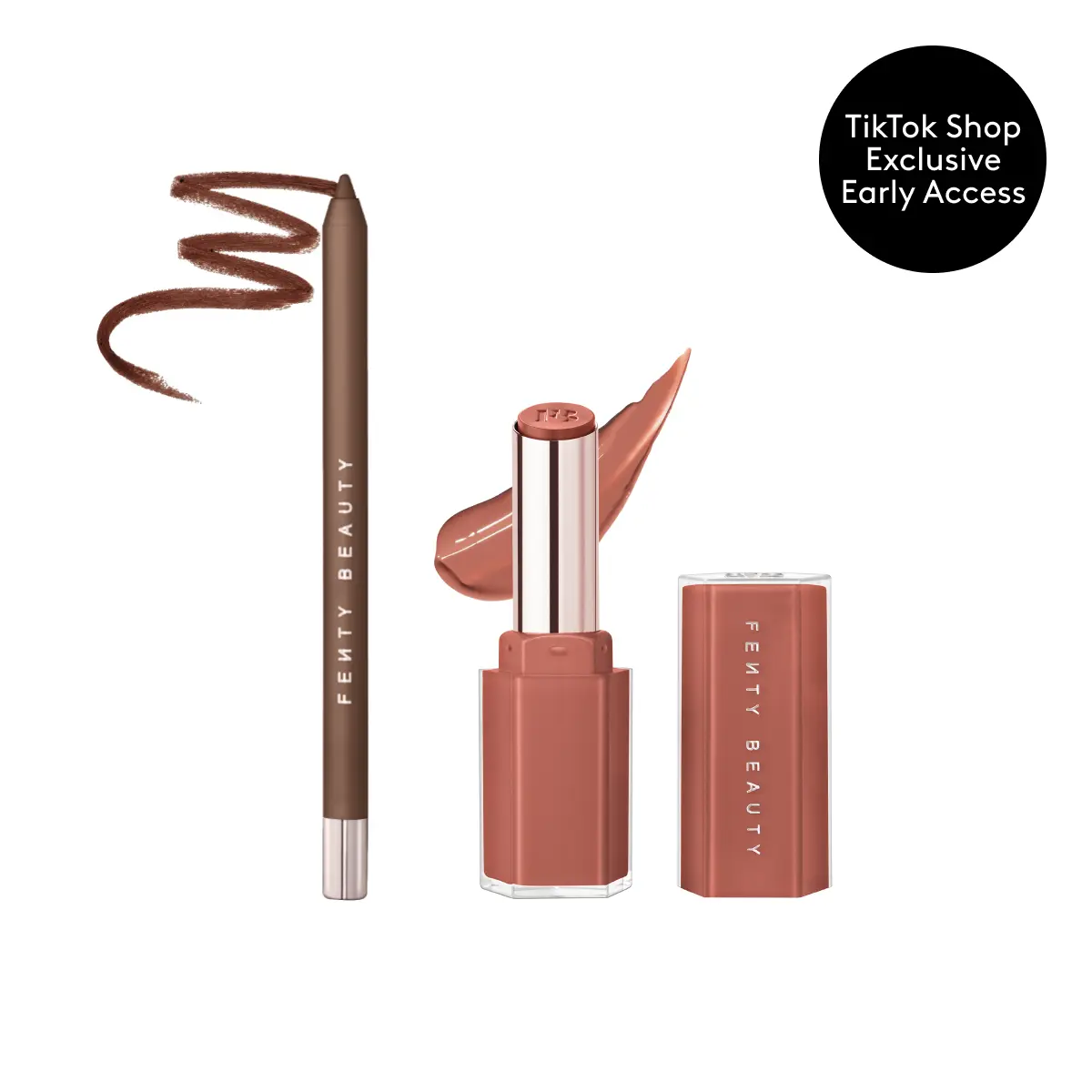
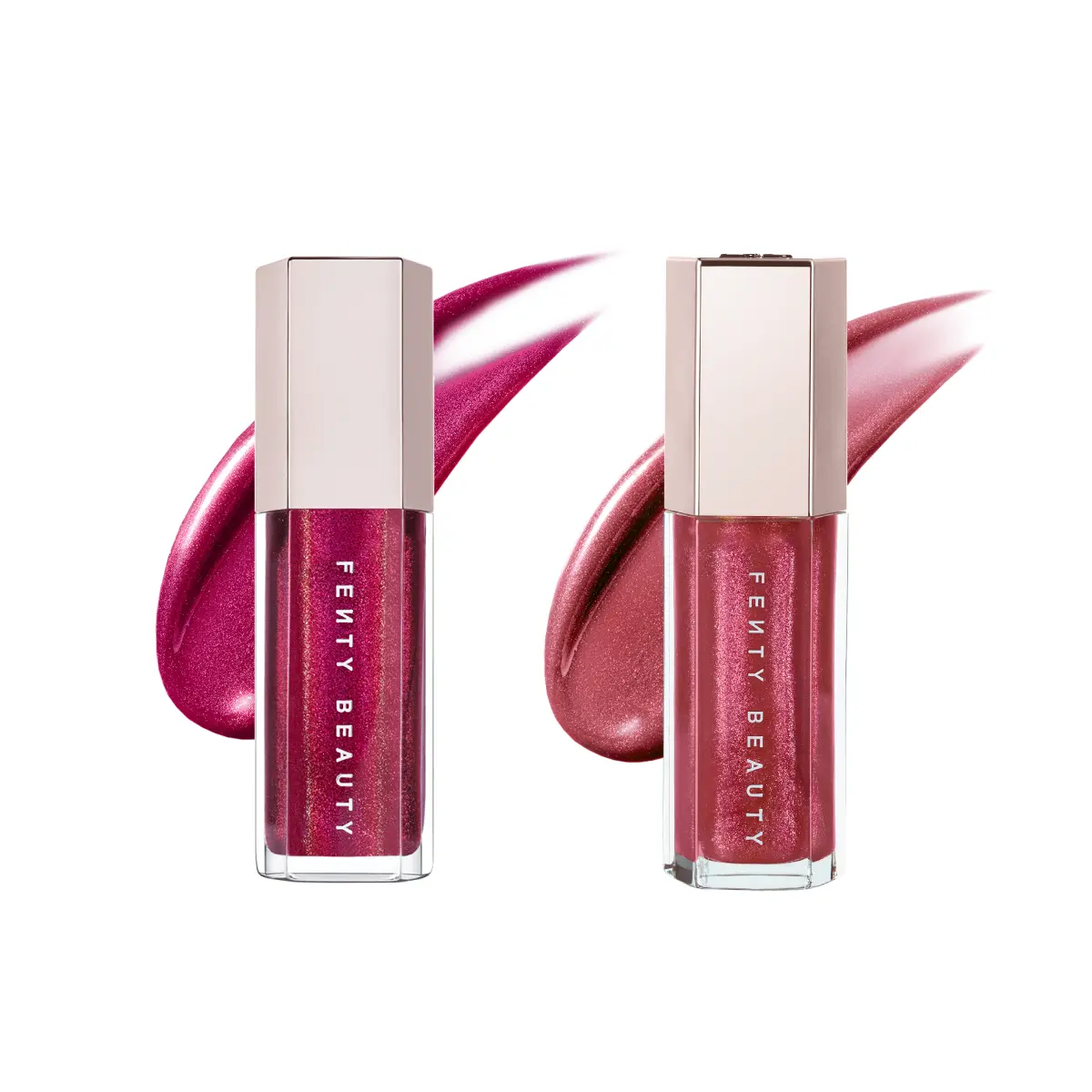
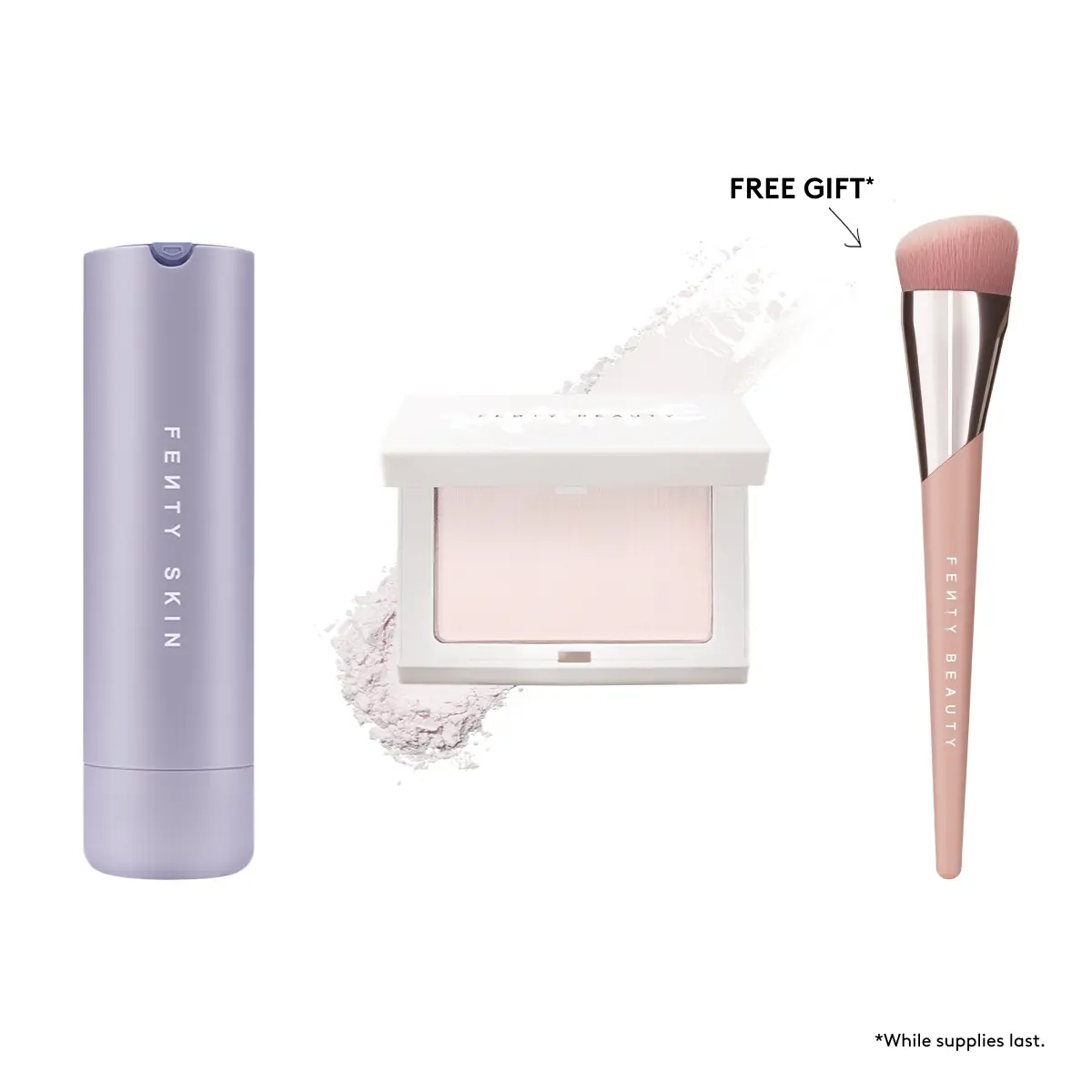
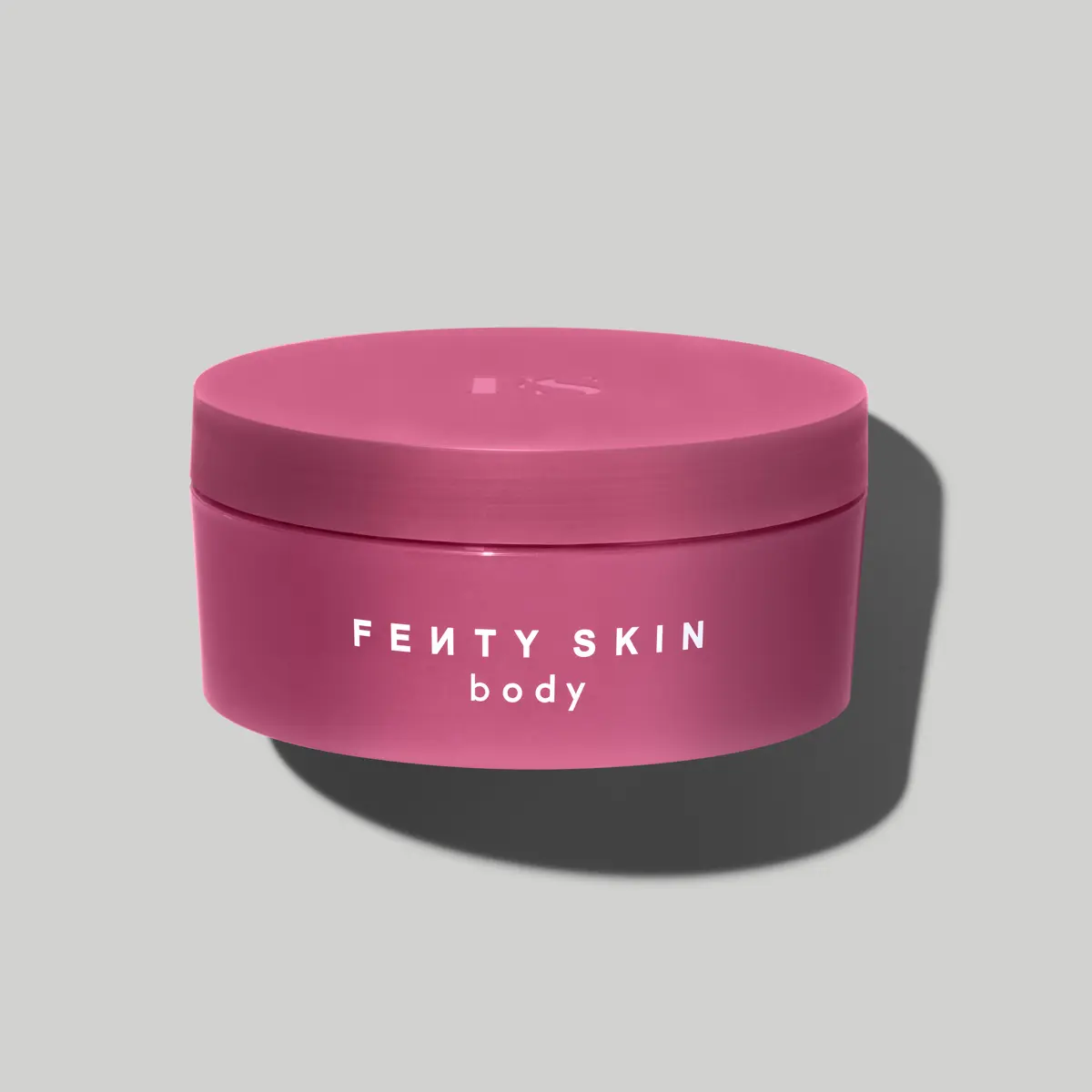
Fenty Beauty

4.9
212 sold
$36.00
![[manyo] Pore Plumber Duo (Galactomy Enzyme Peeling Gel 75ml + Pure Cleansing Oil 200ml) 2-Step Double Cleansing Set for Face, Dead Skin & Blackhead Remover, Korean Skin Care](https://p16-oec-general-useast5.ttcdn-us.com/tos-useast5-i-omjb5zjo8w-tx/1849f153d44647d0a19983e595f48f8c~tplv-fhlh96nyum-resize-webp:600:600.webp?dr=12190&t=555f072d&ps=933b5bde&shp=8dbd94bf&shcp=a6e80448&idc=useast5&from=2378011839 "[manyo] Pore Plumber Duo (Galactomy Enzyme Peeling Gel 75ml + Pure Cleansing Oil 200ml) 2-Step Double Cleansing Set for Face, Dead Skin & Blackhead Remover, Korean Skin Care")
![[Stylekorean] Pore Zero Deep Clean Set (skin1004 centella cleansing oil, round lab dokdo cleanser, medicube zero pore pad, frankly closer serum, centellian24 madeca cream zero)](https://p16-oec-general-useast5.ttcdn-us.com/tos-useast5-i-omjb5zjo8w-tx/820bb55a14f8487794ee60e7ed8b6682~tplv-fhlh96nyum-resize-webp:600:600.webp?dr=12190&t=555f072d&ps=933b5bde&shp=8dbd94bf&shcp=a6e80448&idc=useast5&from=2378011839 "[Stylekorean] Pore Zero Deep Clean Set (skin1004 centella cleansing oil, round lab dokdo cleanser, medicube zero pore pad, frankly closer serum, centellian24 madeca cream zero)")
![[SKIN1004 Official Shop] Deep Cleanse & Pore Care Set | No.1 Cleansing Oil + Low pH Cleansing Foam + Poremizing Ampoule + Gel Cream](https://p16-oec-general-useast5.ttcdn-us.com/tos-useast5-i-omjb5zjo8w-tx/8e2c71903f834c9fb79d053253488e8b~tplv-fhlh96nyum-resize-webp:600:600.webp?dr=12190&t=555f072d&ps=933b5bde&shp=8dbd94bf&shcp=a6e80448&idc=useast5&from=2378011839 "[SKIN1004 Official Shop] Deep Cleanse & Pore Care Set | No.1 Cleansing Oil + Low pH Cleansing Foam + Poremizing Ampoule + Gel Cream")
SKIN1004 US

4.7
422 sold
-30%$55.30$79.00
![[THE FACE SHOP] Rice Water Bright Cleansing Facial Wipes 2-Pack | Gentle Vegan Makeup Remover with Rice Bran, Vitamins & Ceramide | Removes Pore-Clogging Impurities, Refreshing Daily Cleansing Milk Formula | Korean Skincare](https://p16-oec-general-useast5.ttcdn-us.com/tos-useast5-i-omjb5zjo8w-tx/1eb8c23a5909497781724c1d852801fb~tplv-fhlh96nyum-resize-webp:600:600.webp?dr=12190&t=555f072d&ps=933b5bde&shp=8dbd94bf&shcp=a6e80448&idc=useast5&from=2378011839 "[THE FACE SHOP] Rice Water Bright Cleansing Facial Wipes 2-Pack | Gentle Vegan Makeup Remover with Rice Bran, Vitamins & Ceramide | Removes Pore-Clogging Impurities, Refreshing Daily Cleansing Milk Formula | Korean Skincare")


![[manyo] Pure Cleansing Oil, Natural Oil Cleanser for Face, Makeup Blackhead Remover, Korean Skin Care, 6.76 fl oz (200ml)](https://p16-oec-general-useast5.ttcdn-us.com/tos-useast5-i-omjb5zjo8w-tx/6d05c3bd61eb4398bb4dadc6dd5c4342~tplv-fhlh96nyum-resize-webp:600:600.webp?dr=12190&t=555f072d&ps=933b5bde&shp=8dbd94bf&shcp=a6e80448&idc=useast5&from=2378011839 "[manyo] Pure Cleansing Oil, Natural Oil Cleanser for Face, Makeup Blackhead Remover, Korean Skin Care, 6.76 fl oz (200ml)")
![[ILSO Official] ILSO 4-Piece Set for Sensitive Skin - Blackhead & Whitehead Remover Kit with Sebaceous Filament Care, Pore Tightening & Sebum Control Ampoule Included, Korean Skincare](https://p16-oec-general-useast5.ttcdn-us.com/tos-useast5-i-omjb5zjo8w-tx/28ae5e23f5354b1aae1ef99090c1cd7a~tplv-fhlh96nyum-resize-webp:600:600.webp?dr=12190&t=555f072d&ps=933b5bde&shp=8dbd94bf&shcp=a6e80448&idc=useast5&from=2378011839 "[ILSO Official] ILSO 4-Piece Set for Sensitive Skin - Blackhead & Whitehead Remover Kit with Sebaceous Filament Care, Pore Tightening & Sebum Control Ampoule Included, Korean Skincare")
![[SKIN1004 Official Shop] Poremizing Deep Cleansing Foam 4.22 fl.oz, 125ml - Remove Pore-Clogging, Smooth & Exfoliate with Centella Asiatica Extract & Himalayan Pink Salt](https://p16-oec-general-useast5.ttcdn-us.com/tos-useast5-i-omjb5zjo8w-tx/a814b6b48226409485b336a5341aee03~tplv-fhlh96nyum-resize-webp:600:600.webp?dr=12190&t=555f072d&ps=933b5bde&shp=8dbd94bf&shcp=a6e80448&idc=useast5&from=2378011839 "[SKIN1004 Official Shop] Poremizing Deep Cleansing Foam 4.22 fl.oz, 125ml - Remove Pore-Clogging, Smooth & Exfoliate with Centella Asiatica Extract & Himalayan Pink Salt")

![[Celladix Official] CELLADIX 131 Pore Clearing Serum 1.01 Fl Oz](https://p16-oec-general-useast5.ttcdn-us.com/tos-useast5-i-omjb5zjo8w-tx/51f7397f6f90424794e67cd842d7b918~tplv-fhlh96nyum-resize-webp:600:600.webp?dr=12190&t=555f072d&ps=933b5bde&shp=8dbd94bf&shcp=a6e80448&idc=useast5&from=2378011839 "[Celladix Official] CELLADIX 131 Pore Clearing Serum 1.01 Fl Oz")
![[medicube] Pore-fect SETㅣDeep Pore Cleansing, Gentle Exfoliating Foam Cleanser, Mud Clay MaskㅣExcess Sebum, Look of Blackhead Care, Korean Skincare](https://p16-oec-general-useast5.ttcdn-us.com/tos-useast5-i-omjb5zjo8w-tx/cbd8b05efed74164b2ebb17f45699bf6~tplv-fhlh96nyum-resize-webp:600:600.webp?dr=12190&t=555f072d&ps=933b5bde&shp=8dbd94bf&shcp=a6e80448&idc=useast5&from=2378011839 "[medicube] Pore-fect SETㅣDeep Pore Cleansing, Gentle Exfoliating Foam Cleanser, Mud Clay MaskㅣExcess Sebum, Look of Blackhead Care, Korean Skincare")


![[FULLY Official Shop] Green Tomato Basic Pore Care Routine Bundle(Clay Mask Cleanser + Serum) Cleansing Skincare](https://p16-oec-general-useast5.ttcdn-us.com/tos-useast5-i-omjb5zjo8w-tx/69f3d9be0ae940a382abd8c4a527aac7~tplv-fhlh96nyum-resize-webp:600:600.webp?dr=12190&t=555f072d&ps=933b5bde&shp=8dbd94bf&shcp=a6e80448&idc=useast5&from=2378011839 "[FULLY Official Shop] Green Tomato Basic Pore Care Routine Bundle(Clay Mask Cleanser + Serum) Cleansing Skincare")
![[BL'EAU Official] Unisex Acne Clearing Minerals Skincare Set - Daily Deep Pore Cleansing Clay Cleanser, AHA Gentle Exfoliating Clay Mask, Foam Oil Control, Fluffy Hydrating Barrier Repair, Glow Up, Acne Prone, Squeeze, Soothing, Blend, Nourishing, Redness](https://p16-oec-general-useast5.ttcdn-us.com/tos-useast5-i-omjb5zjo8w-tx/b7338dc6c4de43e6b79980bbfc27f57e~tplv-fhlh96nyum-resize-webp:600:600.webp?dr=12190&t=555f072d&ps=933b5bde&shp=8dbd94bf&shcp=a6e80448&idc=useast5&from=2378011839 "[BL'EAU Official] Unisex Acne Clearing Minerals Skincare Set - Daily Deep Pore Cleansing Clay Cleanser, AHA Gentle Exfoliating Clay Mask, Foam Oil Control, Fluffy Hydrating Barrier Repair, Glow Up, Acne Prone, Squeeze, Soothing, Blend, Nourishing, Redness")

Related Searches
Related Categories
Introduction
When it comes to skincare, especially in the realm of facial cleansers, being aware of pore clogging ingredients is essential for achieving clear, healthy skin. Pore clogging ingredients can trap oil and dirt in your pores, potentially resulting in blemishes and acne. Recognizing these ingredients helps you make informed choices about the products you use. Common pore clogging ingredients include certain oils, silicones, and waxes which can be found in various beauty products.
To help you navigate your skincare routine, consider the following tips:
Additionally, opting for lightweight, gel-based cleansers can be beneficial as they often contain fewer pore clogging ingredients. Regularly updating your skincare routine and staying informed about trending ingredients can also help maintain your skin's health. Remember, a well-chosen facial cleanser can make all the difference in preventing clogged pores and ensuring your skin remains radiant and clear.
Trust in proven quality and customer-approved products that prioritize skin health. By being vigilant about pore clogging ingredients, you can enjoy a clearer complexion and boost your confidence.
To help you navigate your skincare routine, consider the following tips:
- Always check the ingredient list on your facial cleansers.
- Look for non-comedogenic labels, indicating that the product is formulated to not clog pores.
- Be cautious with heavy oils and certain alcohols that may exacerbate pore clogging.
Additionally, opting for lightweight, gel-based cleansers can be beneficial as they often contain fewer pore clogging ingredients. Regularly updating your skincare routine and staying informed about trending ingredients can also help maintain your skin's health. Remember, a well-chosen facial cleanser can make all the difference in preventing clogged pores and ensuring your skin remains radiant and clear.
Trust in proven quality and customer-approved products that prioritize skin health. By being vigilant about pore clogging ingredients, you can enjoy a clearer complexion and boost your confidence.