porcelain sink cleaning
Porcelain sink cleaning refers to the process of maintaining and restoring the appearance of sinks made from porcelain, a durable and elegant material commonly used in kitchens and bathrooms.
Featured brands
Authenticated productsVerified shops


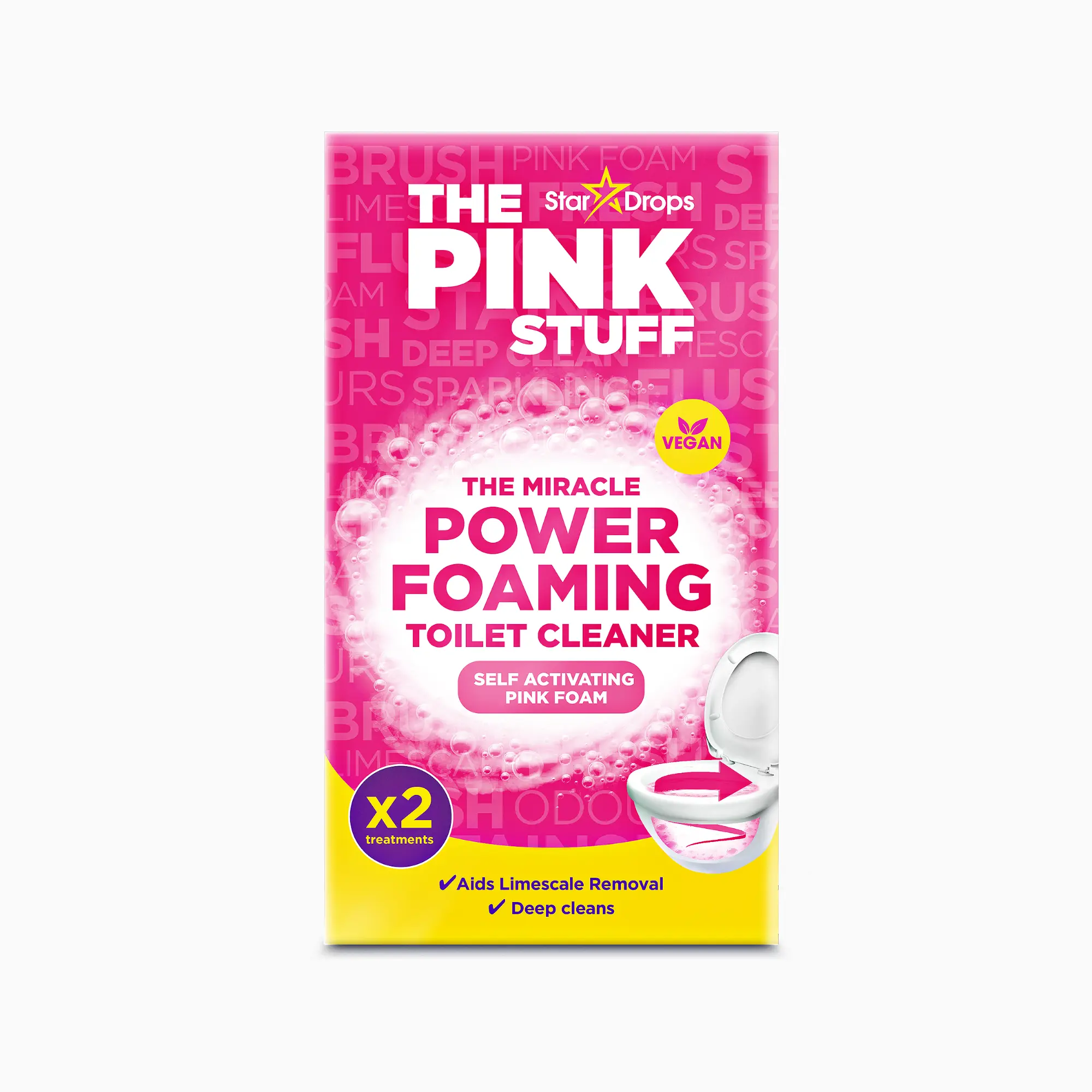
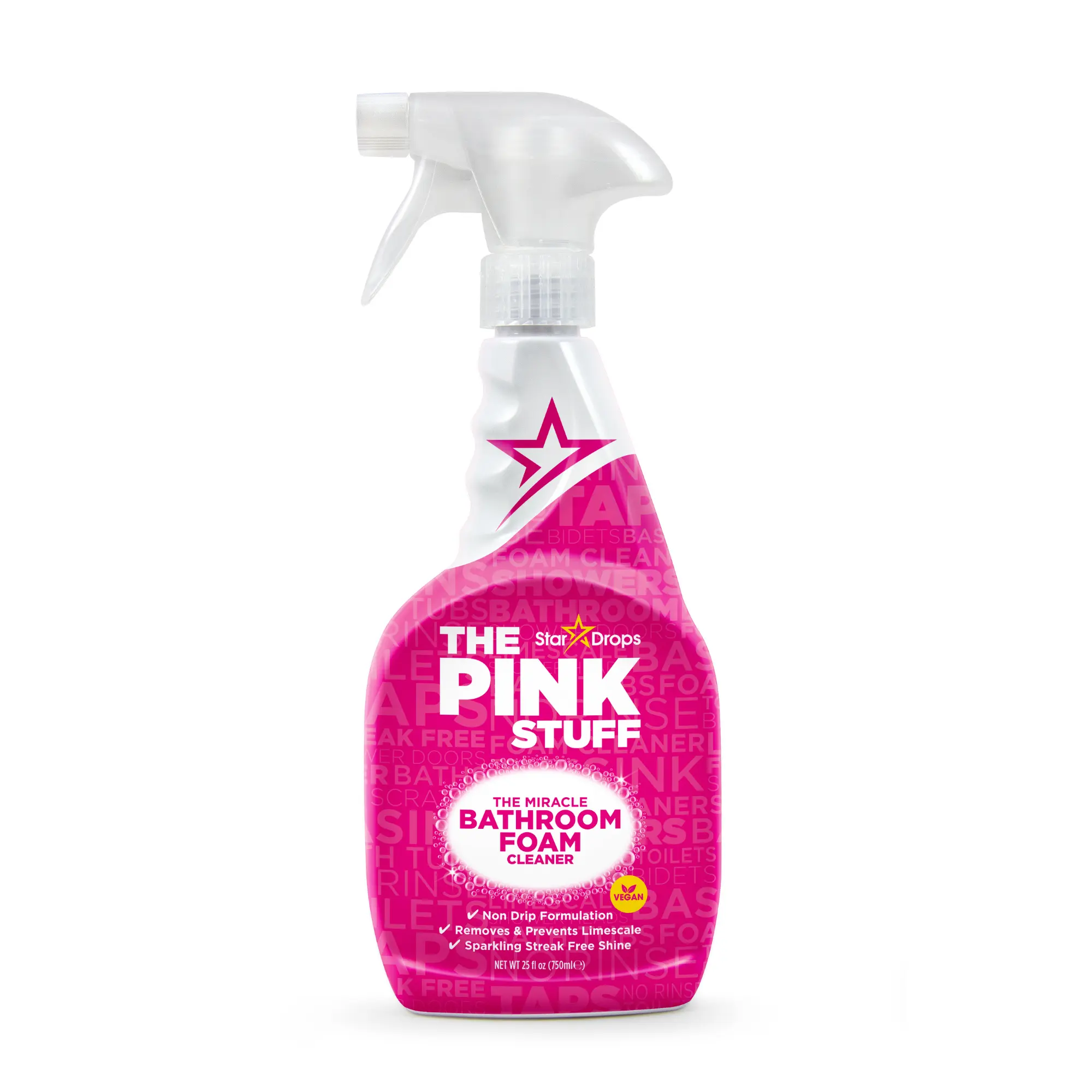
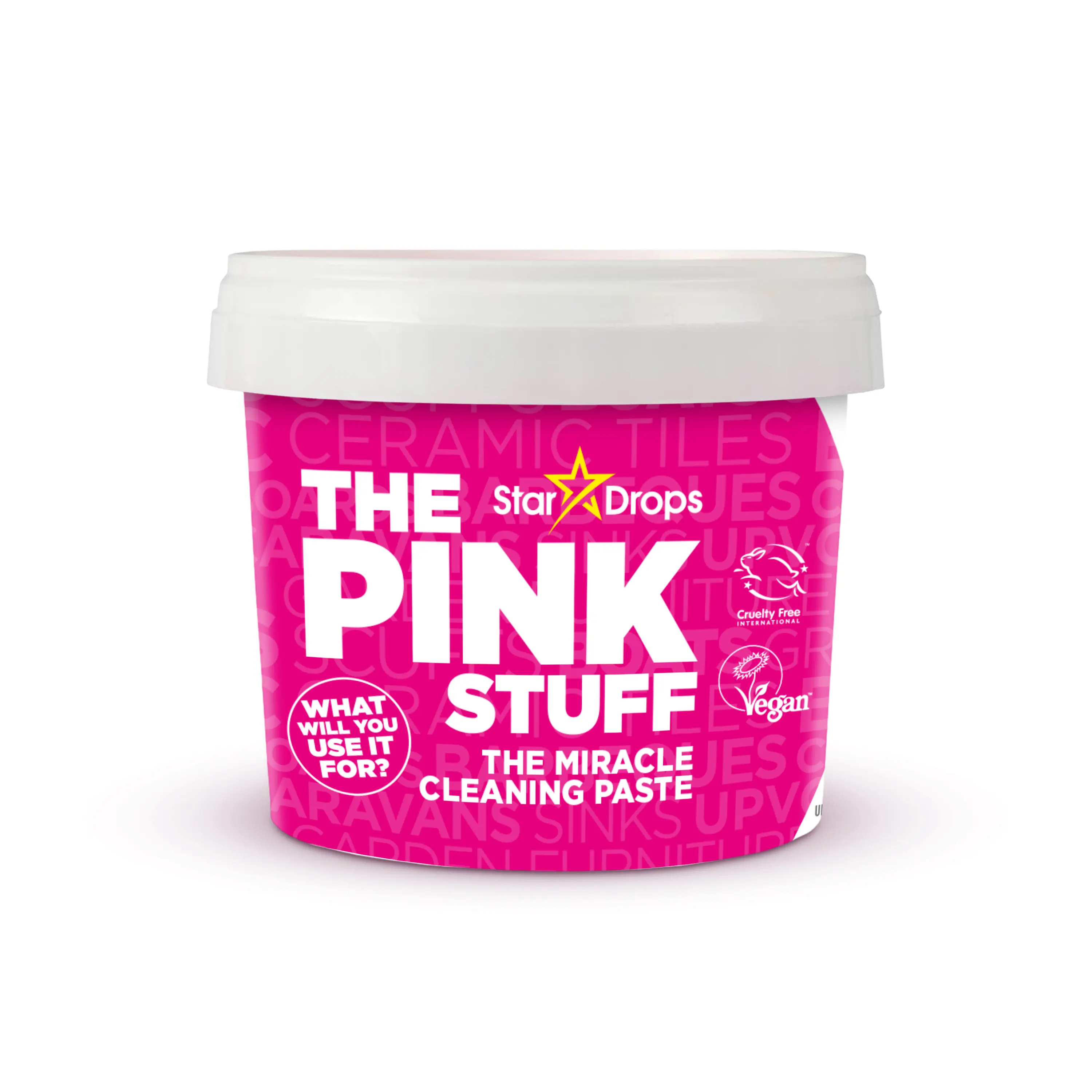
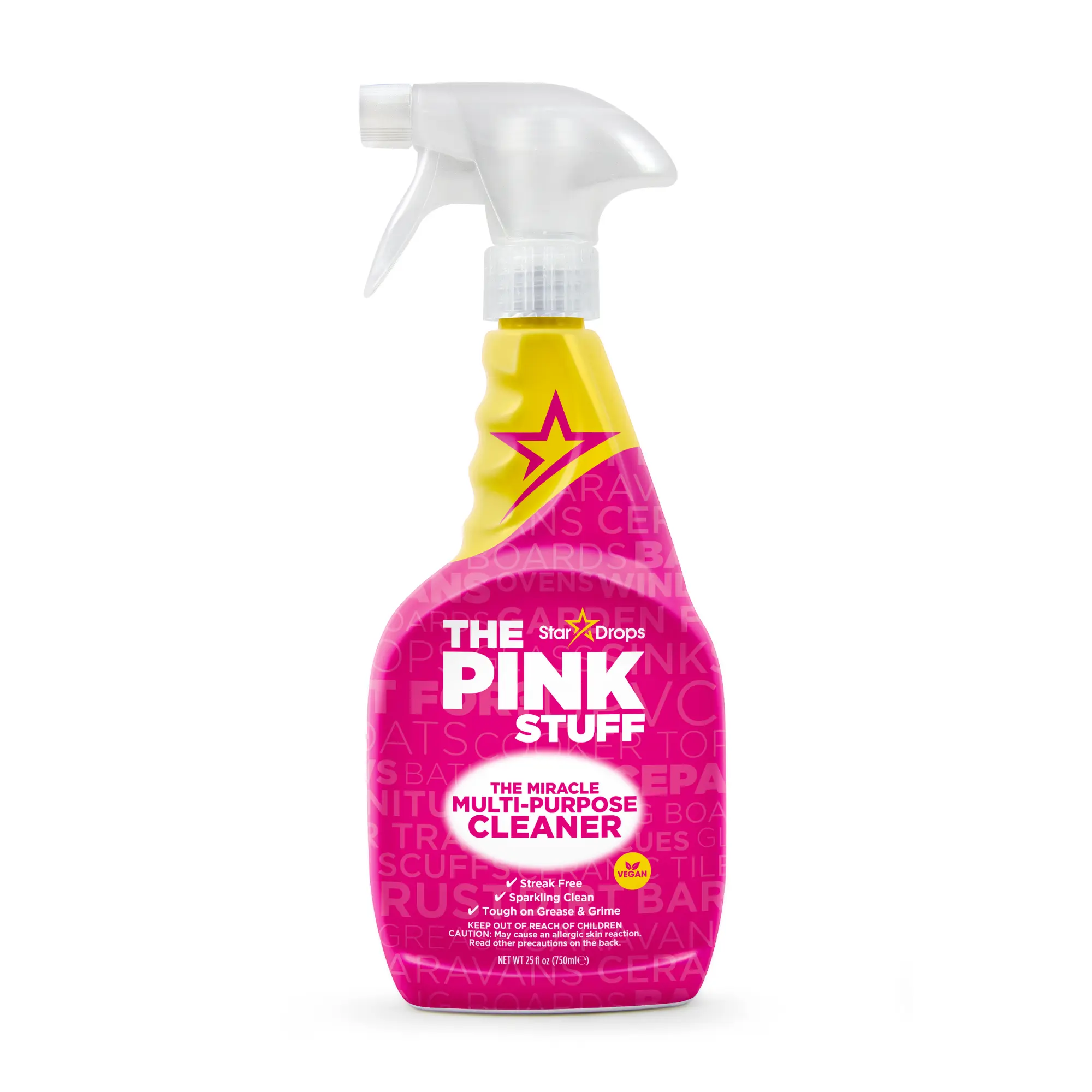


The Pink Stuff USA

4.8
89 sold
$15.73


Related Searches
Related Categories
Introduction
Cleaning a porcelain sink is essential to maintain its beauty and functionality. Porcelain sinks are known for their glossy finish and durability, but they can become stained and dull over time due to regular use. To effectively clean your porcelain sink, you can use a variety of household cleaners that are safe for this material. Common cleaning solutions include mild dish soap, baking soda, and vinegar, which can help remove stains and restore shine.
Here are some tips for cleaning your porcelain sink:
Here are some tips for cleaning your porcelain sink:
- Use a soft sponge or cloth to avoid scratching the surface.
- Avoid harsh chemicals or abrasive cleaners that can damage the finish.
- For tough stains, a paste made of baking soda and water can work wonders.
- Rinse thoroughly after cleaning to prevent any residue buildup.