Results for "Plastering tools you need"
Plastering tools are essential implements used in the process of applying plaster to walls and ceilings, ensuring a smooth and even finish.


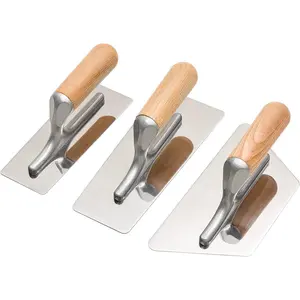
5.0
2 sold
-50%$37.52$75.78




Related Searches
Related Categories
Introduction
When it comes to plastering, having the right tools is crucial for achieving professional results. Plastering tools include a variety of implements designed to help you mix, apply, and finish plaster effectively. Whether you're a DIY enthusiast or a professional contractor, understanding the essential plastering tools you need can make all the difference in your project.
Here are some key plastering tools you should consider:
Here are some key plastering tools you should consider:
- Trowels: These are the primary tools for applying plaster. A stainless steel trowel is preferred for its durability and ease of cleaning.
- Hawk: A hawk is a flat platform with a handle that allows you to hold plaster while you work, making it easier to apply with a trowel.
- Mixing Bucket: A sturdy bucket is essential for mixing plaster to the right consistency.
- Float: A float is used to smooth the surface of the plaster after application, helping to create a polished finish.
- Sandpaper: For final touches, sandpaper is used to smooth out any imperfections in the plastered surface.