pla polisher
A PLA polisher is a tool used for polishing surfaces made from Polylactic Acid (PLA), a biodegradable thermoplastic often used in 3D printing.
Featured brands
Authenticated productsVerified shops


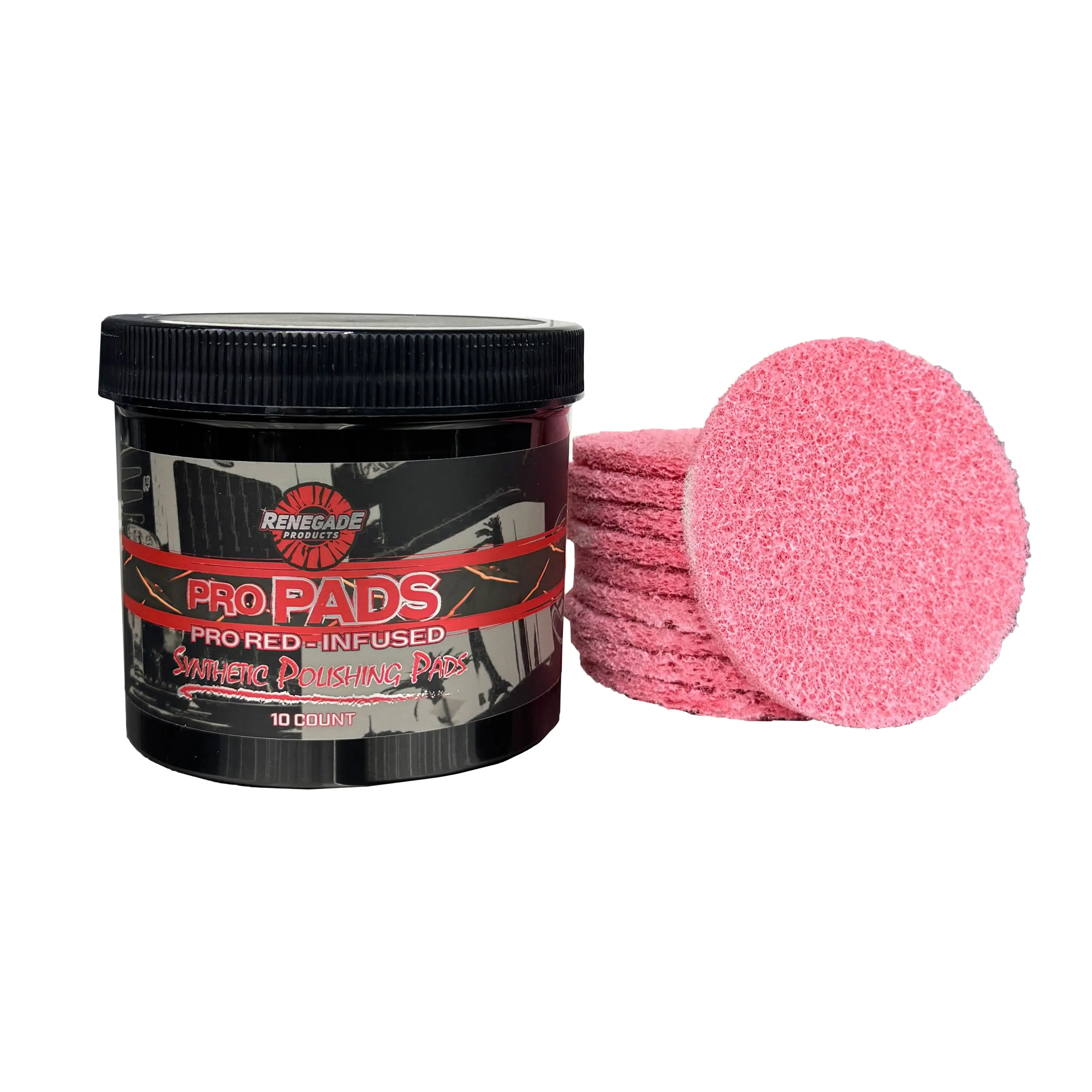


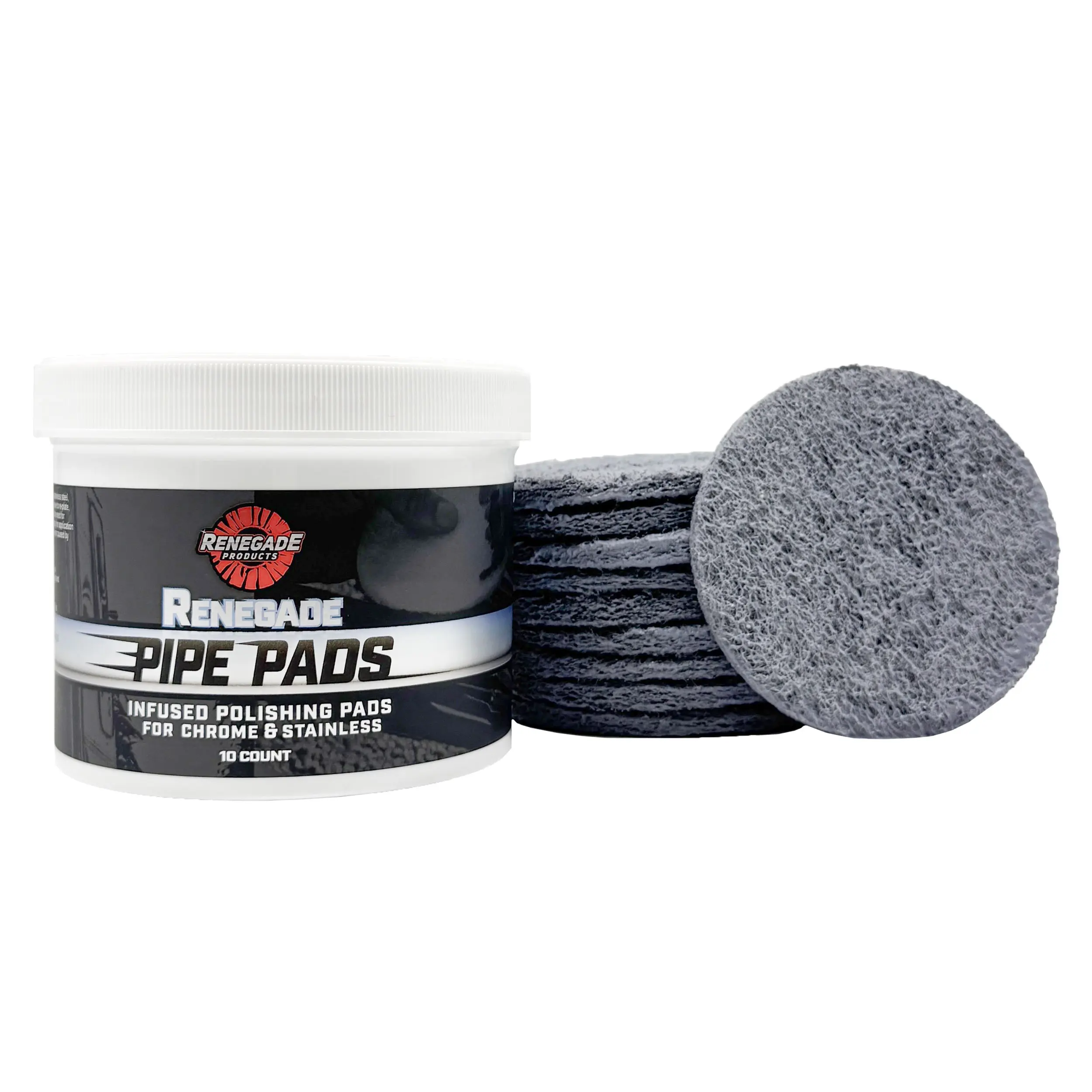
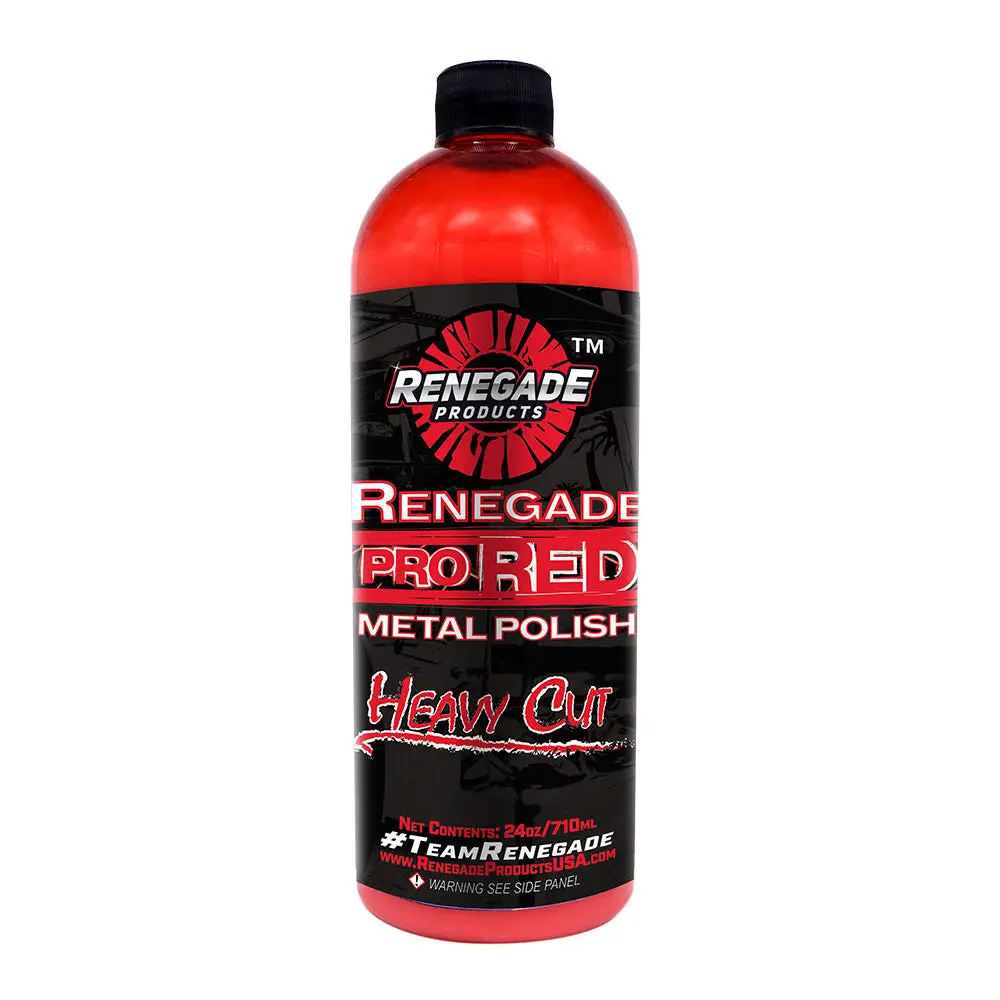


Renegade Products

4.9
98 sold
-10%$35.52$39.33


Related Searches
Related Categories
Introduction
If you're looking to achieve a smooth, glossy finish on your PLA prints, a PLA polisher is an essential tool. This specialized polisher is designed to work effectively with Polylactic Acid materials, allowing you to enhance the appearance of your 3D printed items. Whether you're a hobbyist or a professional, using a PLA polisher can significantly improve the quality of your prints.
Here are some key benefits of using a PLA polisher:
In conclusion, a PLA polisher is a valuable addition to your toolkit. With its ability to enhance the visual appeal of your prints, it's a worthwhile investment for anyone looking to take their 3D printing projects to the next level.
Here are some key benefits of using a PLA polisher:
- Improved Aesthetics: A PLA polisher helps remove layer lines and imperfections, resulting in a smoother finish.
- Easy to Use: Most PLA polishers are user-friendly, making it accessible for both beginners and experienced users.
- Versatile: Suitable for various types of PLA prints, including figurines, prototypes, and functional parts.
- Reliable Results: Proven quality ensures that your prints look professional and polished.
In conclusion, a PLA polisher is a valuable addition to your toolkit. With its ability to enhance the visual appeal of your prints, it's a worthwhile investment for anyone looking to take their 3D printing projects to the next level.