Search
Coupon Center
Get app
Log in
TikTok Shop
Shop All Categories
pid controller
Results for "pid controller"
(Not Including Nintendo Switch Console,only 1 controller) Switch Controllers for Nintendo Switch/OLED,Switch Wireless Pro Controller One-Piece Joypad, Full-Size Ergonomic Handheld Mode Controller with Battery/Turbo/Programming (White)
3.7
8 sold
-51%
$
20
.99
$42.99
Free shipping
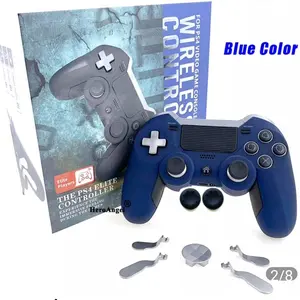
P4 Elite controller
3 sold
$
45
.00
Full-Size Grip Handheld Rainbow Gamepad with Adjustable Joystick, Connection-Ready Joy-Con Controller for Nintendo Switch/OLED
1 sold
$
28
.04
Free shipping
Switch Accessory: Controller - HORI Split Pad Pro - Ditto: Officially Licensed by Nintendo [GAMES ACCESSORIES] Controller
1 sold
$
32
.38
Xbox 360 Controller Wired,Gamepad Controller for Microsoft Xbox 360 & Slim Console and PC Windows 7/8/10, with Upgraded Joystick
4.8
36 sold
Limited time deal
-47%
$
15
.95
$29.99
Gaming Controllers, Gamepad Bluetooth For Nintendo Switch PS4 Xbox Console iPhone IOS Android Mobile Phone PC Steam Wireless Controller Multiplatform Game Controller Gaming Multi Platform
4.5
195 sold
-44%
$
18
.81
$33.59
Switch Controllers Replacement For Switch/OLED/Lite, game pad joy con Switch Controller For Nintendo Switch Controller, Switch Controllers Support, Screenshot, Wake-up, Motion Control/Dual Vibration
5.0
45 sold
Limited time deal
$
22
.88
Free shipping
Calm Current Picky Pad – Handmade Sensory Fidget Tool for Anxiety, ADHD & Focus
5 sold
$
15
.99
Switch Controller Compatible with Switch/Switch Lite/Switch OLED Controller, Switch Pro Controller With Breathing LED Light, Switch Controllers Remote Supports Multi-Platform&App with Turbo, Wake-up Function
5.0
70 sold
-50%
$
14
.99
$29.99
Free shipping
PDP Faceoff Deluxe Audio Wired Pro Controller for Nintendo Switch - Super Mario
5.0
3 sold
$
24
.99
Moo-d Remeltable Gel Sensory Pad for ADHD & Anxiety Relief
5.0
47 sold
$
28
.00
Free shipping
Handheld Charging Alloy Plug Video Game Controller - Wireless Gamepad Joystick for Free Fire, PUBG, Android & iPhone Smartphones, Gaming Peripherals Accessory
1 sold
$
26
.38
Drippy controller holder
9 sold
$
15
.00
MED POD | Prep Pad Kit | Alcohol, Iodine & Sting Relief
1 sold
$
2
.54
1PC/2PC LED strip controller, 24-key remote control, USB powered, infrared RGB strip controller for home decoration dimming, Lighting Accessories
5.0
10 sold
-59%
$
2
.46
$5.99
Related Searches
pid controllers
wireless pid controller
pid temperature controller
pneumatic pid controller
analogue pid controller
pad controller
pdp controller
led controller
pic controllers
Related Categories
Console Accessories
Stress Relief Toys
Crafts & DIY
Protective Gear
Lighting Accessories
Car Electrical Appliances


![Switch Accessory: Controller - HORI Split Pad Pro - Ditto: Officially Licensed by Nintendo [GAMES ACCESSORIES] Controller](https://p16-oec-general-useast5.ttcdn-us.com/tos-useast5-i-omjb5zjo8w-tx/5497dc68c4724300a69e56fa46b9b0da~tplv-fhlh96nyum-crop-webp:278:300.webp?dr=12190&t=555f072d&ps=933b5bde&shp=8dbd94bf&shcp=a6e80448&idc=useast5&from=2378011839 "Switch Accessory: Controller - HORI Split Pad Pro - Ditto: Officially Licensed by Nintendo [GAMES ACCESSORIES] Controller")


