performance equine nutrition
Performance equine nutrition refers to the specialized dietary requirements and supplements designed to enhance the health and performance of horses, particularly those engaged in competitive activities.
Featured brands
Authenticated productsVerified shops


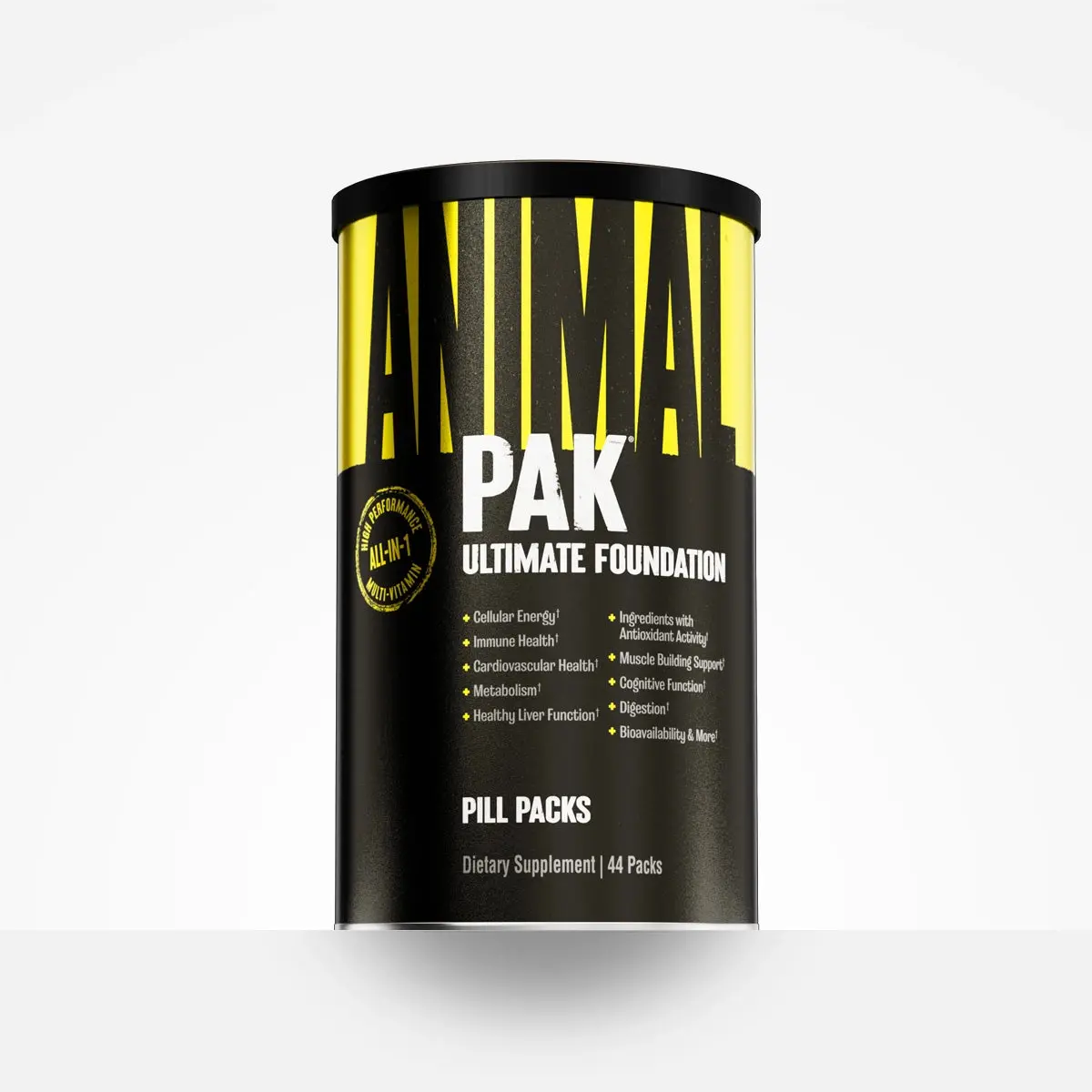


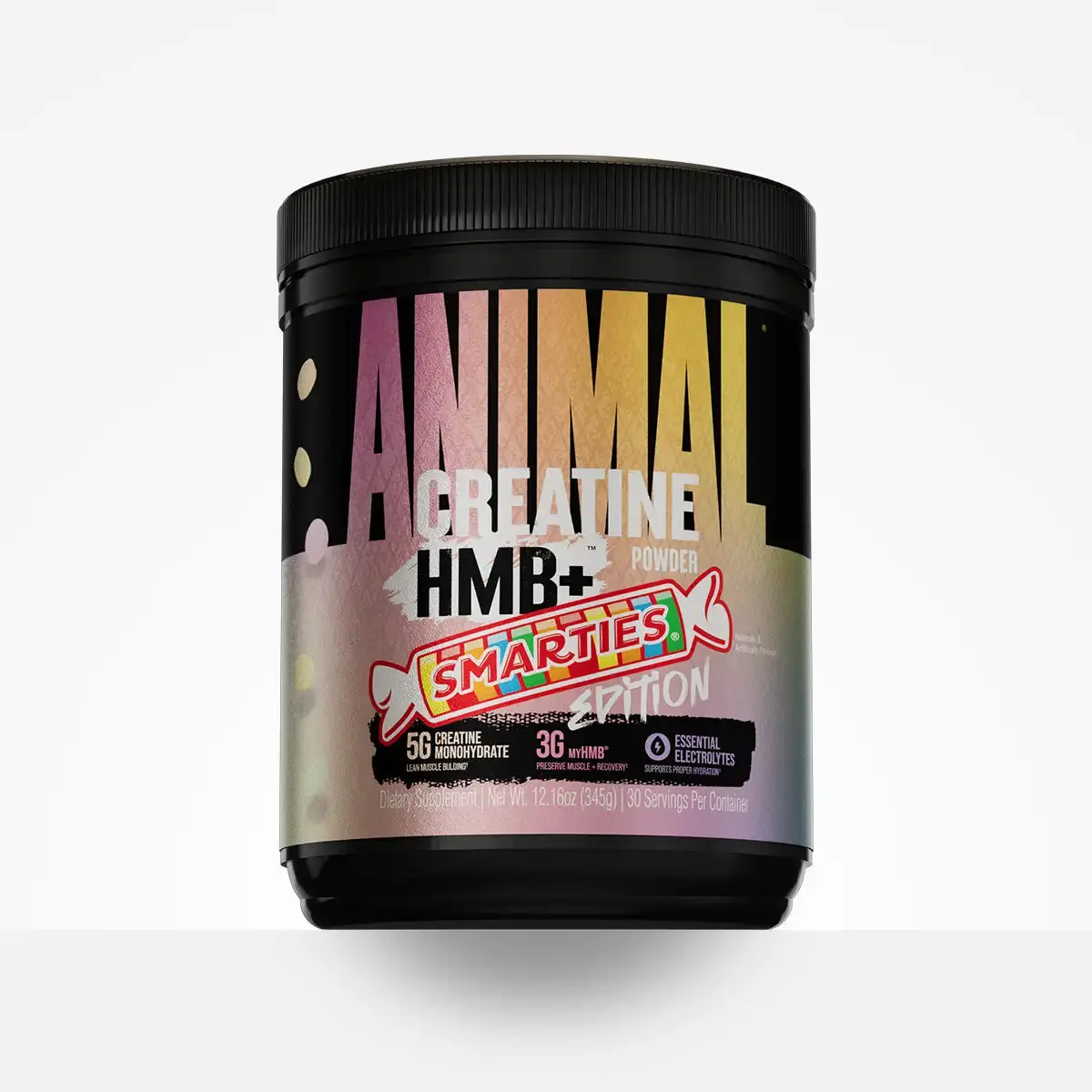


Animal

4.9
71 sold
$35.95


Related Searches
Related Categories
Introduction
Performance equine nutrition is essential for maintaining the health and enhancing the performance of horses, especially in competitive settings. This specialized nutrition focuses on providing the right balance of nutrients that support energy levels, muscle development, and overall well-being. Horses involved in various activities, from racing to show jumping, require tailored diets that meet their specific energy and nutritional needs.
Key components of performance equine nutrition include:
Additionally, staying informed about the latest trends in equine nutrition can help horse owners make better choices. Regularly updating feeding practices based on new research and products can lead to improved health outcomes for their animals. Trustworthy sources and proven quality products are vital in ensuring that your horse receives the best care possible.
Key components of performance equine nutrition include:
- High-quality forage: Essential for gut health and digestion.
- Concentrates: Grains and pellets that provide additional calories and nutrients.
- Supplements: Vitamins, minerals, and amino acids that support muscle recovery and overall health.
Additionally, staying informed about the latest trends in equine nutrition can help horse owners make better choices. Regularly updating feeding practices based on new research and products can lead to improved health outcomes for their animals. Trustworthy sources and proven quality products are vital in ensuring that your horse receives the best care possible.