pacifier and teeth
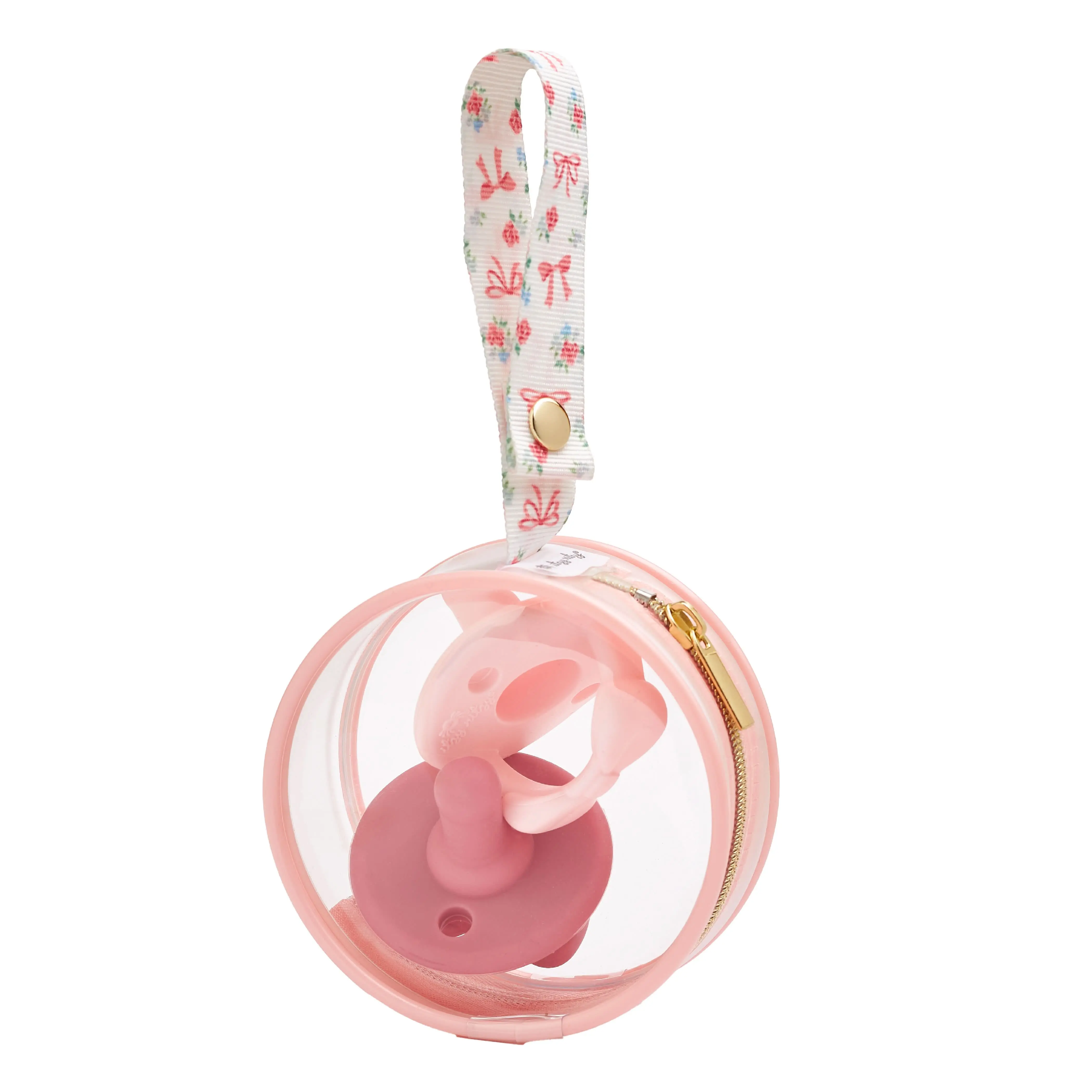
A pacifier is a soothing device designed for infants, while teething refers to the process of teeth emerging through the gums, often causing discomfort. Understanding the relationship between pacifiers and teething can help parents choose the right products for their babies.
Featured brands
Authenticated productsVerified shops




Related Searches
Related Categories
Introduction
Pacifiers are commonly used by parents to soothe their infants, providing comfort and security. However, many parents wonder about the impact of pacifiers on teething. During the teething phase, which typically occurs between 4 to 7 months of age, babies experience discomfort as their teeth break through the gums. This is where pacifiers can play a dual role.
Using a pacifier during this time can help calm a fussy baby, but it’s essential to choose the right type. Look for pacifiers that are designed specifically for teething, often made from soft, flexible materials that can withstand chewing.
Here are some tips for using pacifiers during teething:
Many parents also turn to teethers, which can be chilled in the refrigerator for added relief. Combining pacifiers and teethers can provide a comprehensive solution for soothing a teething baby. Parents have reported that using these products can lead to better sleep and less fussiness during the challenging teething phase. Remember, it’s crucial to monitor the use of pacifiers and teethers to ensure they are not used excessively, as this can lead to dental issues later on. Trusted by thousands of parents, these products have proven to be effective in providing comfort during one of the most challenging times for both babies and parents.
Using a pacifier during this time can help calm a fussy baby, but it’s essential to choose the right type. Look for pacifiers that are designed specifically for teething, often made from soft, flexible materials that can withstand chewing.
Here are some tips for using pacifiers during teething:
- Choose a pacifier with a textured surface to help massage sore gums.
- Ensure the pacifier is made from safe, BPA-free materials.
- Keep pacifiers clean to prevent infections.
Many parents also turn to teethers, which can be chilled in the refrigerator for added relief. Combining pacifiers and teethers can provide a comprehensive solution for soothing a teething baby. Parents have reported that using these products can lead to better sleep and less fussiness during the challenging teething phase. Remember, it’s crucial to monitor the use of pacifiers and teethers to ensure they are not used excessively, as this can lead to dental issues later on. Trusted by thousands of parents, these products have proven to be effective in providing comfort during one of the most challenging times for both babies and parents.