Results for "oboe and flute"
The oboe and flute are both woodwind instruments, each producing sound through different methods. The oboe uses a double reed, while the flute is played by blowing air across an opening.





5.0
8 sold
-25%$86.15$114.87


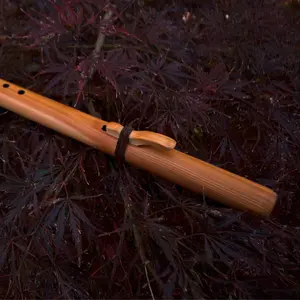
![Butch Hall Flutes - Concert Series [E4] Native American-Style Flute](https://p16-oec-general-useast5.ttcdn-us.com/tos-useast5-i-omjb5zjo8w-tx/4937e1d05aaa4d5aa2e9641ec3a9dc2c~tplv-fhlh96nyum-crop-webp:300:300.webp?dr=12190&t=555f072d&ps=933b5bde&shp=8dbd94bf&shcp=a6e80448&idc=useast5&from=2378011839 "Butch Hall Flutes - Concert Series [E4] Native American-Style Flute")

5.0
2 sold
-25%$96.99$129.99





Related Searches
Related Categories
Introduction
The oboe and flute are fascinating wind instruments that offer unique sounds and playing experiences. The oboe, known for its rich, tone, is often used in orchestras and chamber music. Its distinct sound is produced using a double reed, which requires skill and precision to master. On the other hand, the flute, with its bright and airy sound, is played by blowing air across a mouthpiece, making it more accessible for beginners.
Both instruments have their own set of characteristics and playing techniques that appeal to different musicians. Here are a few key points to consider when exploring the world of oboes and flutes:
Both instruments have their own set of characteristics and playing techniques that appeal to different musicians. Here are a few key points to consider when exploring the world of oboes and flutes:
- Sound Quality: The oboe produces a warm, expressive sound, while the flute offers a light, ethereal tone.
- Playing Technique: Oboes require a more complex embouchure due to the double reed, whereas flutes have a simpler mouthpiece design.
- Range: The oboe typically has a range of about three octaves, while the flute can reach up to four octaves.
- Repertoire: Both instruments have extensive solo and ensemble repertoires, with many pieces showcasing their unique qualities.
- Maintenance: Oboes often require more maintenance due to their reeds, while flutes are generally easier to care for.