obd2 diagnostic scan tool
An OBD2 diagnostic scan tool is a device used to read and clear diagnostic trouble codes (DTCs) from a vehicle's onboard computer system, enabling users to diagnose issues and monitor vehicle performance.
Featured brands
Authenticated productsVerified shops


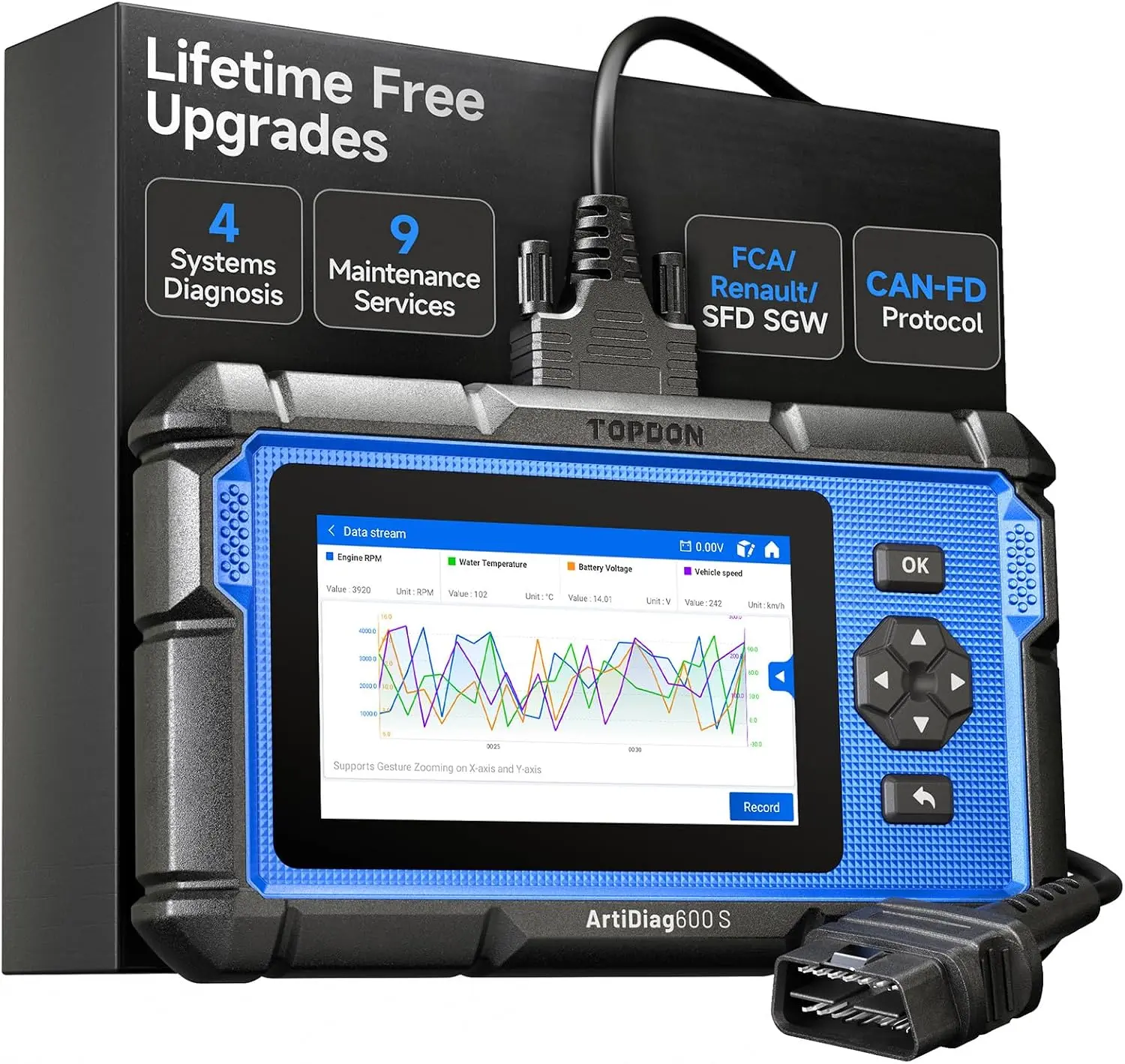


2 sold
-37%$45.50$71.99


Topdonshop

4.5
11.4K sold
-28%$359.00$499.00


![[Summervibes] XTOOL D5S OBD2 Scanner Car Diagnostic Scan Tools for ABS/SRS/Engine/Transmission, 16 Reset Services, Free Lifetime Update, Code Reader for Cars & Trucks, Crank Sensor Relearn, FCA AutoAuth, CAN FD for Vehicle Automotive Alternator Tester sum](https://p16-oec-general-useast5.ttcdn-us.com/tos-useast5-i-omjb5zjo8w-tx/3953406e97714d638b95b0785b72307a~tplv-fhlh96nyum-resize-webp:600:600.webp?dr=12190&t=555f072d&ps=933b5bde&shp=8dbd94bf&shcp=a6e80448&idc=useast5&from=2378011839 "[Summervibes] XTOOL D5S OBD2 Scanner Car Diagnostic Scan Tools for ABS/SRS/Engine/Transmission, 16 Reset Services, Free Lifetime Update, Code Reader for Cars & Trucks, Crank Sensor Relearn, FCA AutoAuth, CAN FD for Vehicle Automotive Alternator Tester sum")


Related Searches
Related Categories
Introduction
The OBD2 diagnostic scan tool is an essential device for any car owner or mechanic looking to maintain their vehicle's health. This tool connects to your vehicle's OBD2 port, allowing you to access crucial data about your car's performance and identify potential issues. With the ability to read and clear diagnostic trouble codes (DTCs), the OBD2 scan tool empowers users to troubleshoot problems effectively, saving time and money on repairs.
Here are some key features and benefits of using an OBD2 diagnostic scan tool:
Here are some key features and benefits of using an OBD2 diagnostic scan tool:
- Easy to Use: Most OBD2 tools come with user-friendly interfaces, making it simple for anyone to diagnose their vehicle.
- Comprehensive Data: These tools provide detailed information about various vehicle systems, including the engine, transmission, and emissions.
- Cost-Effective: By identifying issues early, you can avoid costly repairs and maintain your vehicle's performance.
- Real-Time Monitoring: Many OBD2 scan tools offer live data streaming, allowing you to monitor your vehicle's performance in real-time.
- Portable: Most OBD2 tools are compact and easy to carry, making them convenient for on-the-go diagnostics.