neutral shoe
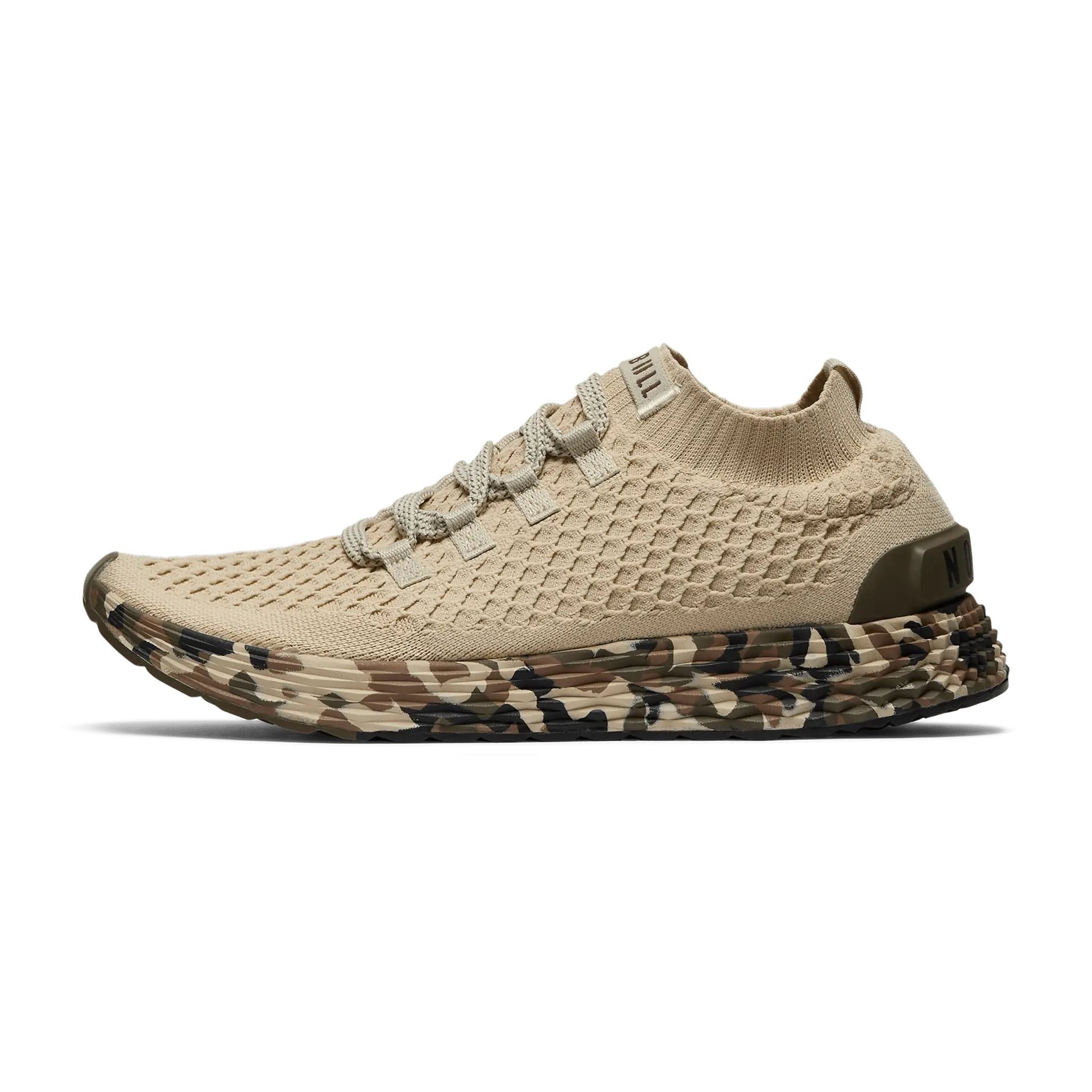
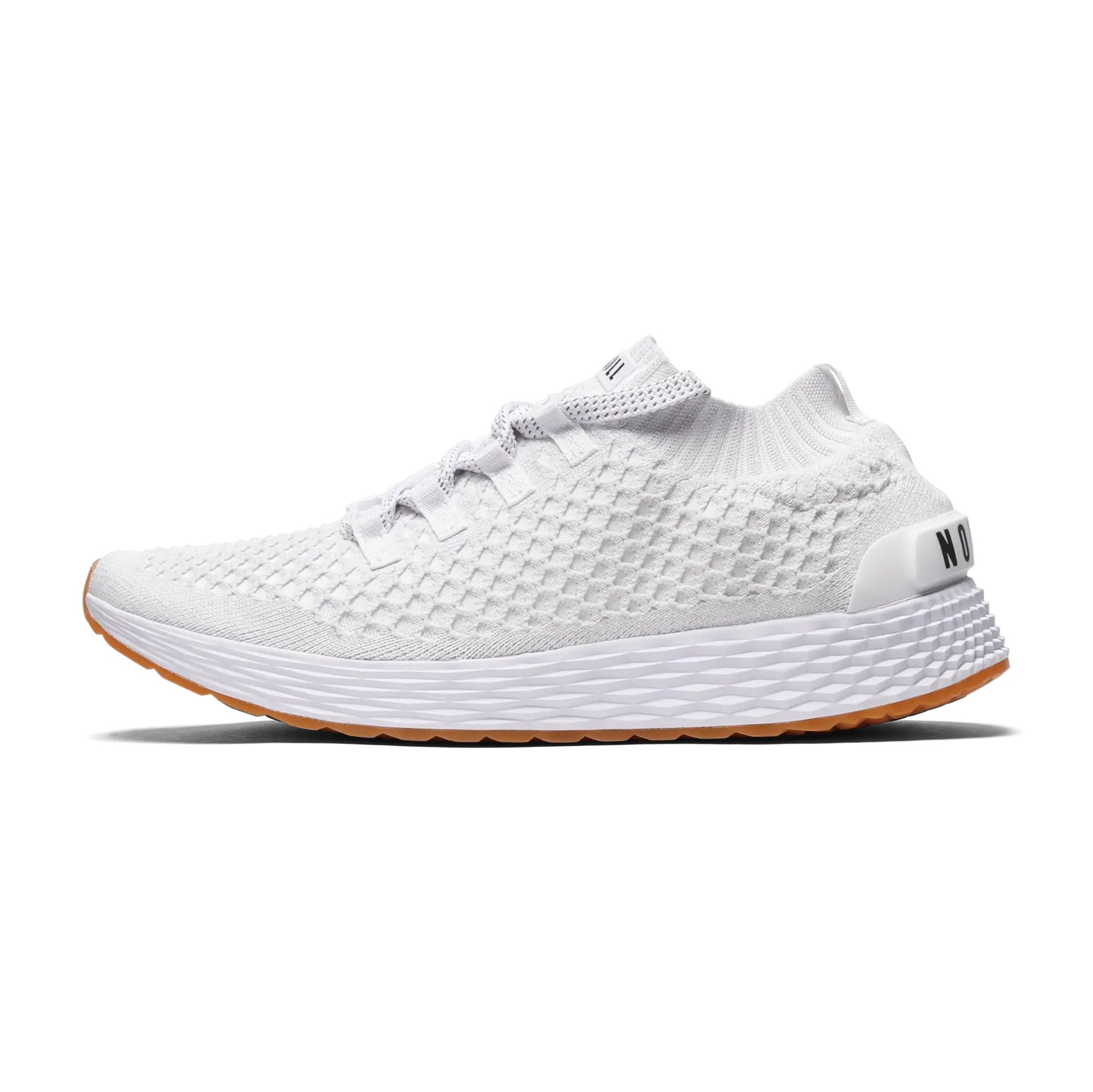
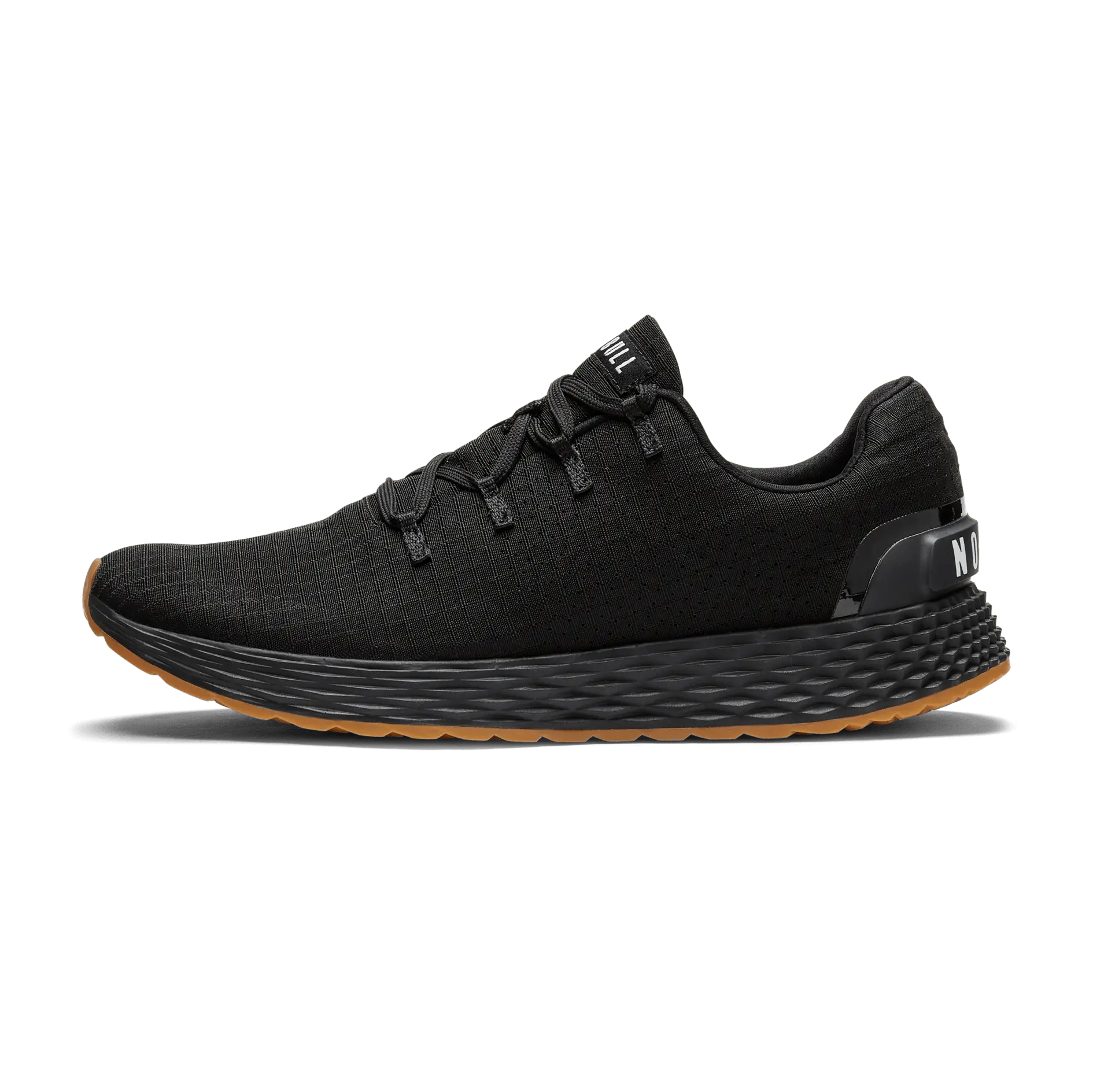
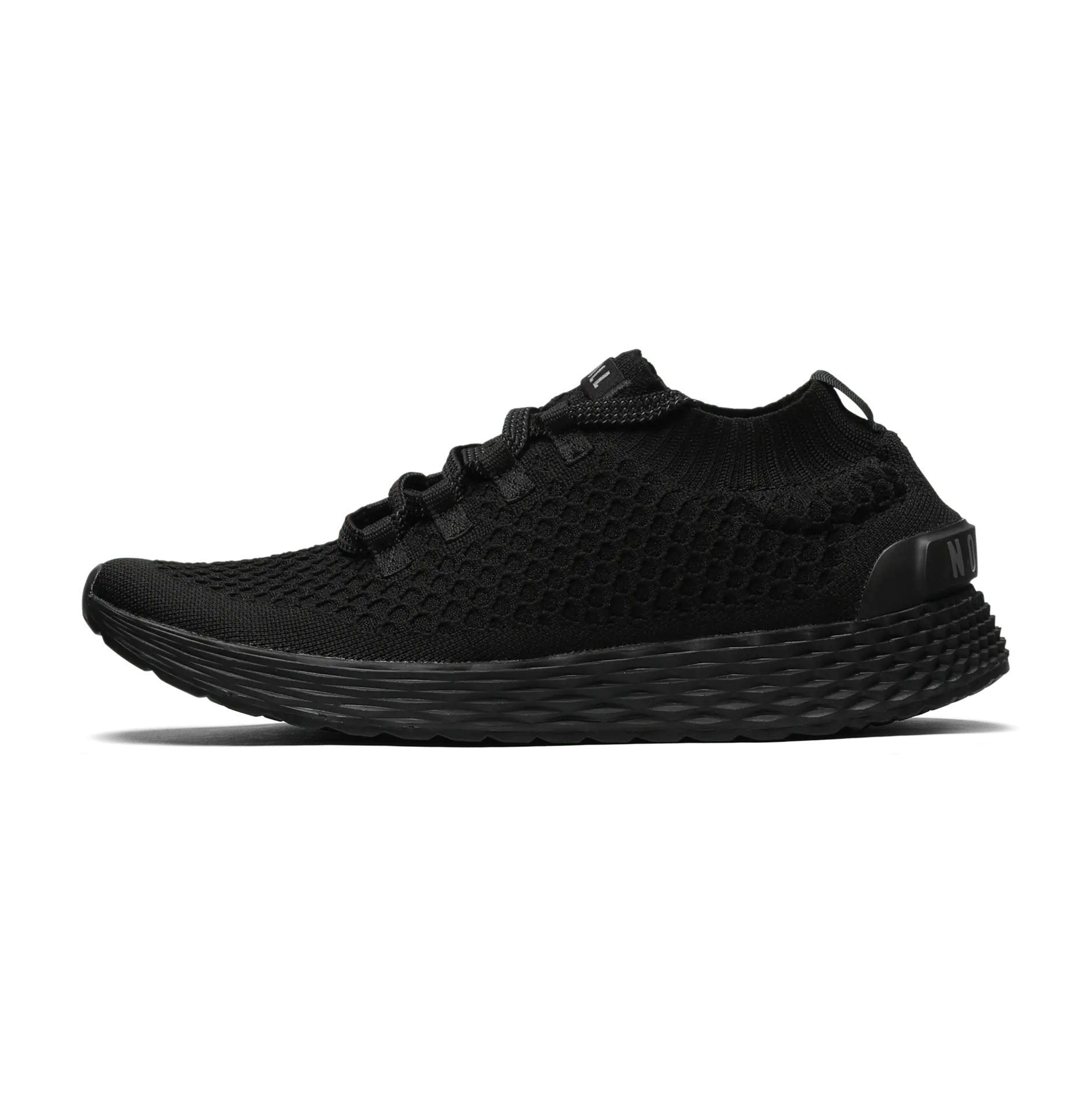
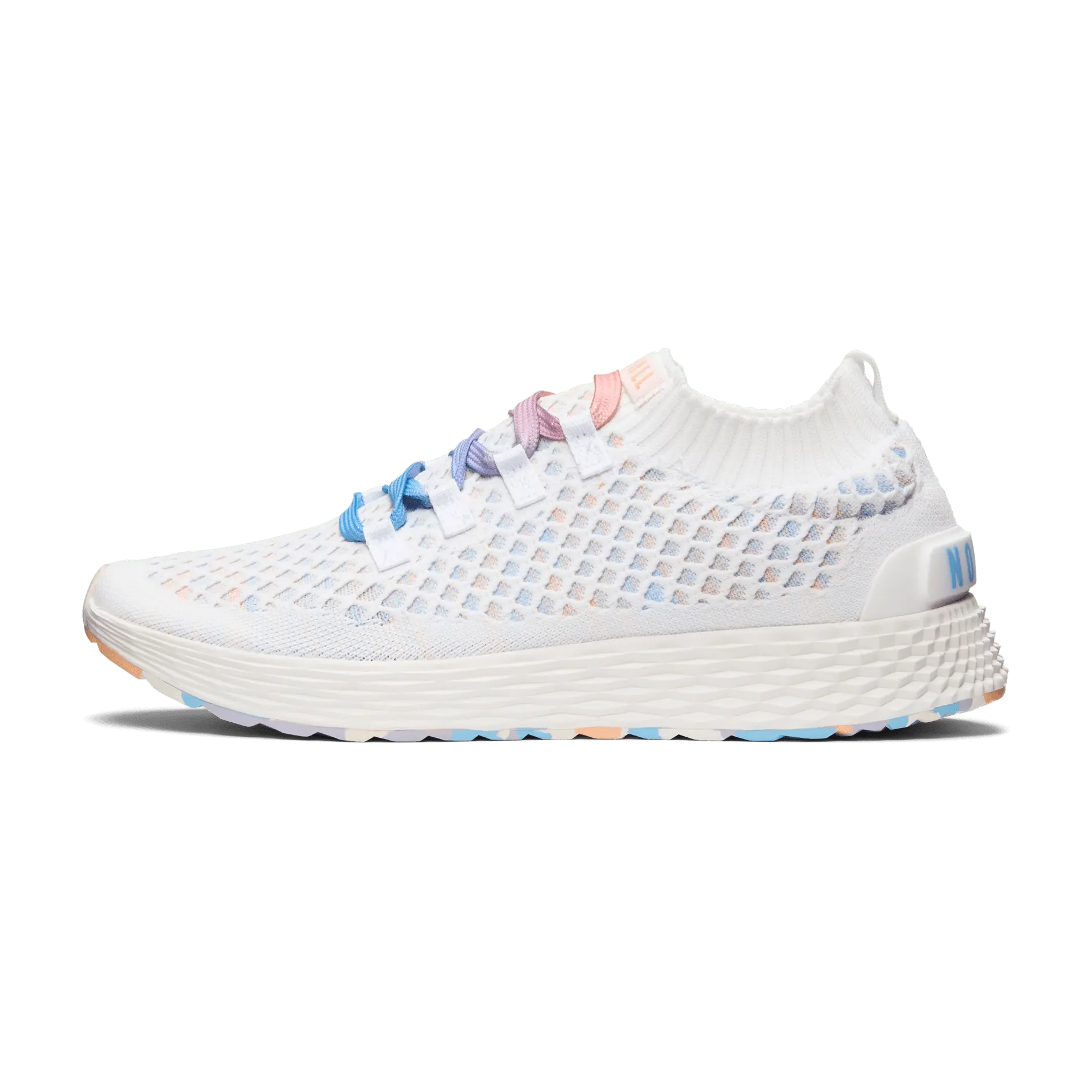
Neutral shoes are designed for runners who have a neutral gait, providing balanced cushioning and support without additional stability features. They are ideal for those who do not overpronate or underpronate while running.
Featured brands
Authenticated productsVerified shops





Related Searches
Related Categories
Introduction
When it comes to choosing the right footwear, neutral shoes play a crucial role, especially for runners. Neutral running shoes are specifically crafted for individuals with a neutral gait, offering a perfect blend of cushioning and support. This type of shoe is ideal for runners who do not exhibit excessive inward or outward rolling of the foot during their stride.
Here are some key reasons why neutral shoes are essential for runners:
Investing in a quality pair of neutral running shoes can enhance your performance and reduce the risk of injury. Whether you're training for a race or enjoying a leisurely run, the right neutral shoes can make all the difference. Remember to choose a pair that fits well and feels comfortable, as this will help you stay motivated and focused on your running goals.
Here are some key reasons why neutral shoes are essential for runners:
- Balanced Cushioning: Neutral shoes provide adequate cushioning to absorb impact while maintaining a responsive feel, ensuring comfort during long runs.
- Lightweight Design: Many neutral shoes are designed to be lightweight, allowing for a more natural running experience without added bulk.
- Versatility: These shoes are suitable for various running styles and distances, making them a versatile choice for both casual joggers and seasoned marathoners.
- Proven Quality: Trusted by thousands of runners, neutral shoes are often made with durable materials that can withstand the rigors of training and competition.
Investing in a quality pair of neutral running shoes can enhance your performance and reduce the risk of injury. Whether you're training for a race or enjoying a leisurely run, the right neutral shoes can make all the difference. Remember to choose a pair that fits well and feels comfortable, as this will help you stay motivated and focused on your running goals.