Results for "natural hamster habitat"
Natural hamster habitat refers to the wild environment where hamsters live, typically characterized by burrows and tunnels in sandy or loose soil. Understanding this habitat is crucial for creating a comfortable and enriching environment for pet hamsters.


VEVOR Store

4.6
27 sold
$126.89


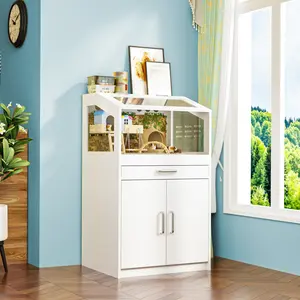



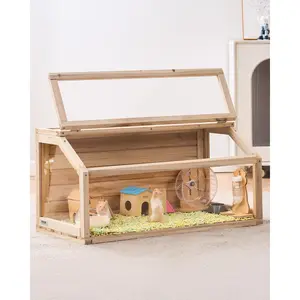
VEVOR Store
4.7
192 sold
$81.98

Related Searches
Related Categories
Introduction
Creating a natural hamster habitat is essential for the well-being of your pet. Hamsters are naturally inclined to burrow and explore, so replicating their natural environment in captivity is crucial. A suitable habitat should include spacious cages that allow for digging, climbing, and hiding.
Here are some key elements to consider when setting up a natural hamster habitat:
By understanding the natural habitat of hamsters, you can create a space that not only meets their physical needs but also promotes mental stimulation. Remember, a well-structured habitat leads to a happier and healthier hamster. Regularly update your hamster's environment with new toys and tunnels to keep them engaged and active.
Here are some key elements to consider when setting up a natural hamster habitat:
- Cage Size: Ensure the cage is spacious enough for your hamster to move around freely. A larger cage promotes exercise and reduces stress.
- Substrate: Use bedding materials like aspen shavings or paper-based products that allow for burrowing. Avoid cedar or pine shavings, as they can be harmful to hamsters.
- Hiding Spots: Provide tunnels, houses, and hiding spots for your hamster to feel secure. This mimics their natural instinct to hide from predators.
- Exercise Wheel: Include a solid-surface exercise wheel to support physical activity, as hamsters are very active creatures.
- Food and Water: Use a heavy ceramic bowl for food and a water bottle to keep their habitat clean and prevent spills.
By understanding the natural habitat of hamsters, you can create a space that not only meets their physical needs but also promotes mental stimulation. Remember, a well-structured habitat leads to a happier and healthier hamster. Regularly update your hamster's environment with new toys and tunnels to keep them engaged and active.