Results for "nanofiltration"
Nanofiltration is a membrane filtration process that operates between ultrafiltration and reverse osmosis, effectively removing small particles, organic molecules, and divalent ions from liquids while allowing monovalent ions to pass through. It is widely used in water treatment, food processing, and pharmaceutical applications.


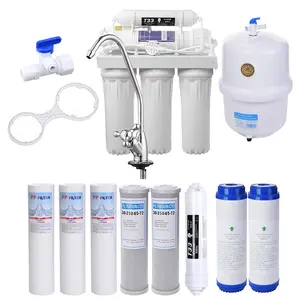


-24%$322.72$422.00


Related Searches
Related Categories
Introduction
Nanofiltration is an advanced filtration technology that has gained significant attention for its ability to separate and purify liquids effectively. This process utilizes semi-permeable membranes to remove contaminants, making it ideal for various applications, including water treatment, dairy processing, and chemical industries. With nanofiltration, you can achieve high-quality filtration while maintaining a low energy footprint, making it a sustainable choice for many industries.
Some key benefits of nanofiltration include:
Some key benefits of nanofiltration include:
- Efficient Contaminant Removal: Nanofiltration membranes can effectively remove small particles, organic compounds, and divalent ions, ensuring cleaner and safer water or product.
- Cost-Effective: Compared to reverse osmosis, nanofiltration requires less energy, resulting in lower operational costs.
- Versatile Applications: This technology is suitable for various industries, from food and beverage to pharmaceuticals, providing tailored solutions to meet specific needs.
- Proven Quality: Trusted by thousands of industries worldwide, nanofiltration systems are known for their reliability and effectiveness.