monohydrate vs micronized creatine
Monohydrate and micronized creatine are two forms of creatine supplements commonly used by athletes and fitness enthusiasts to enhance performance and muscle growth.
Featured brands
Authenticated productsVerified shops


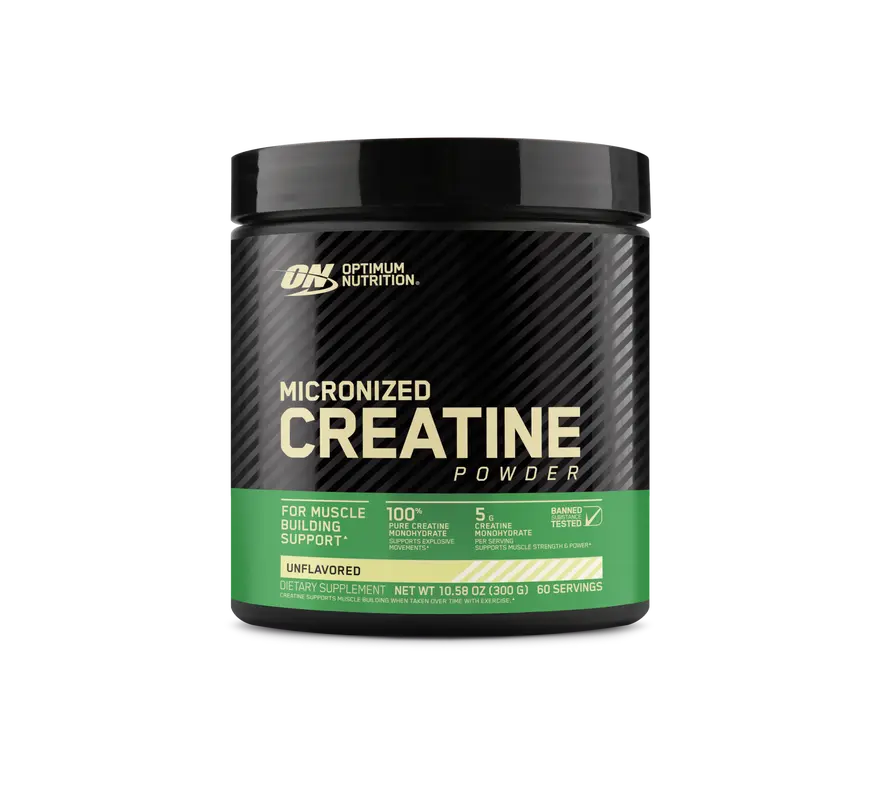
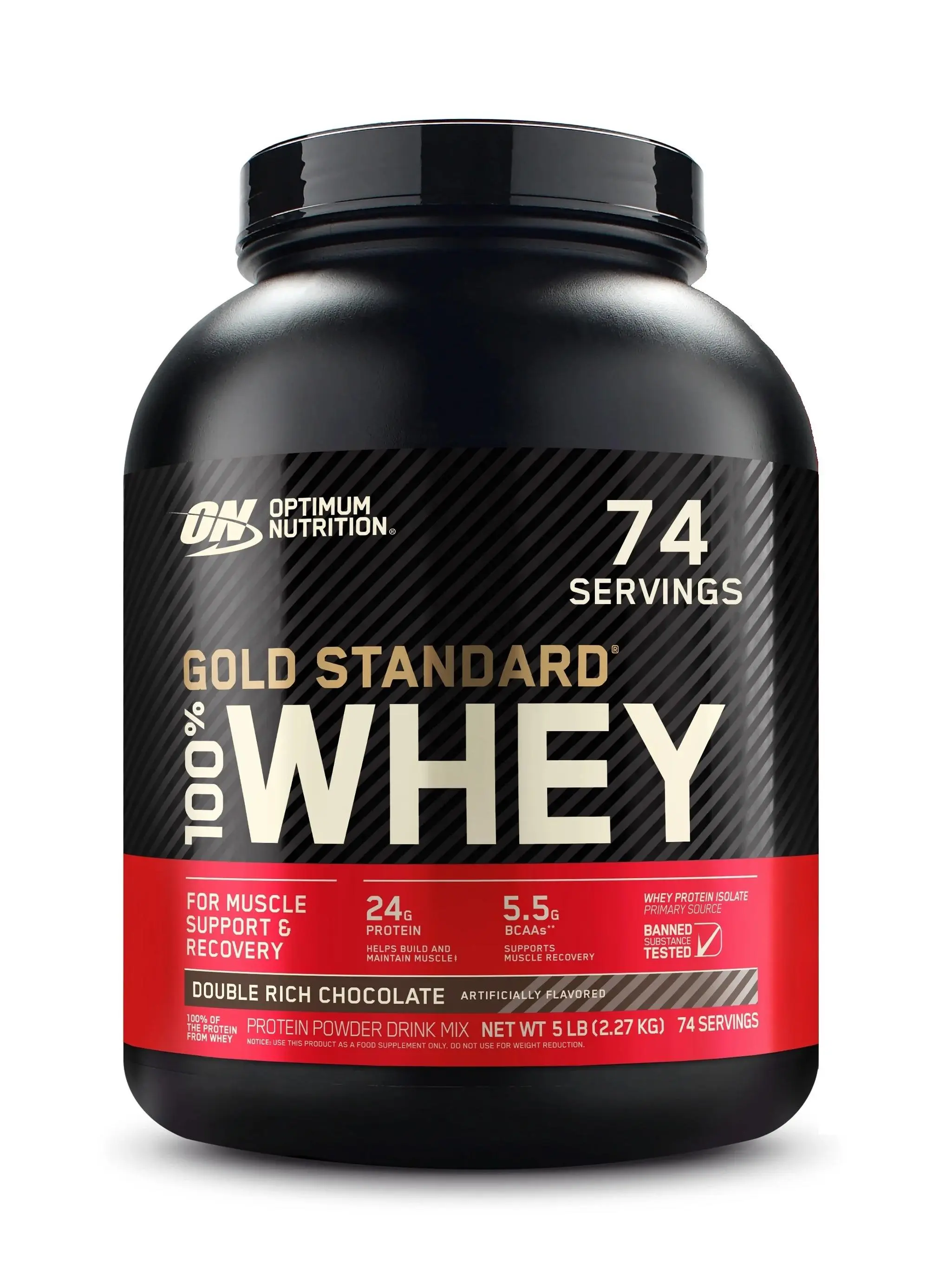
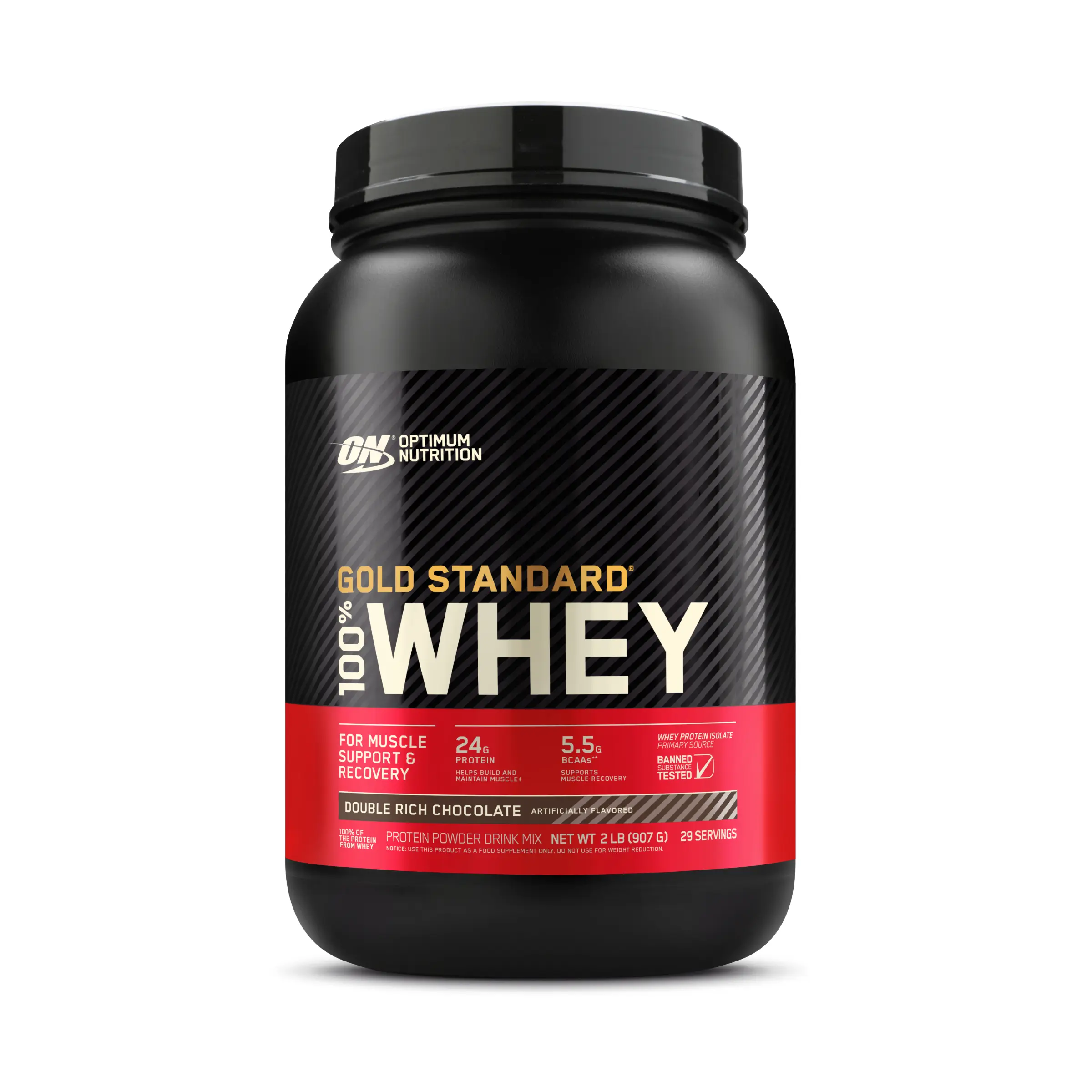

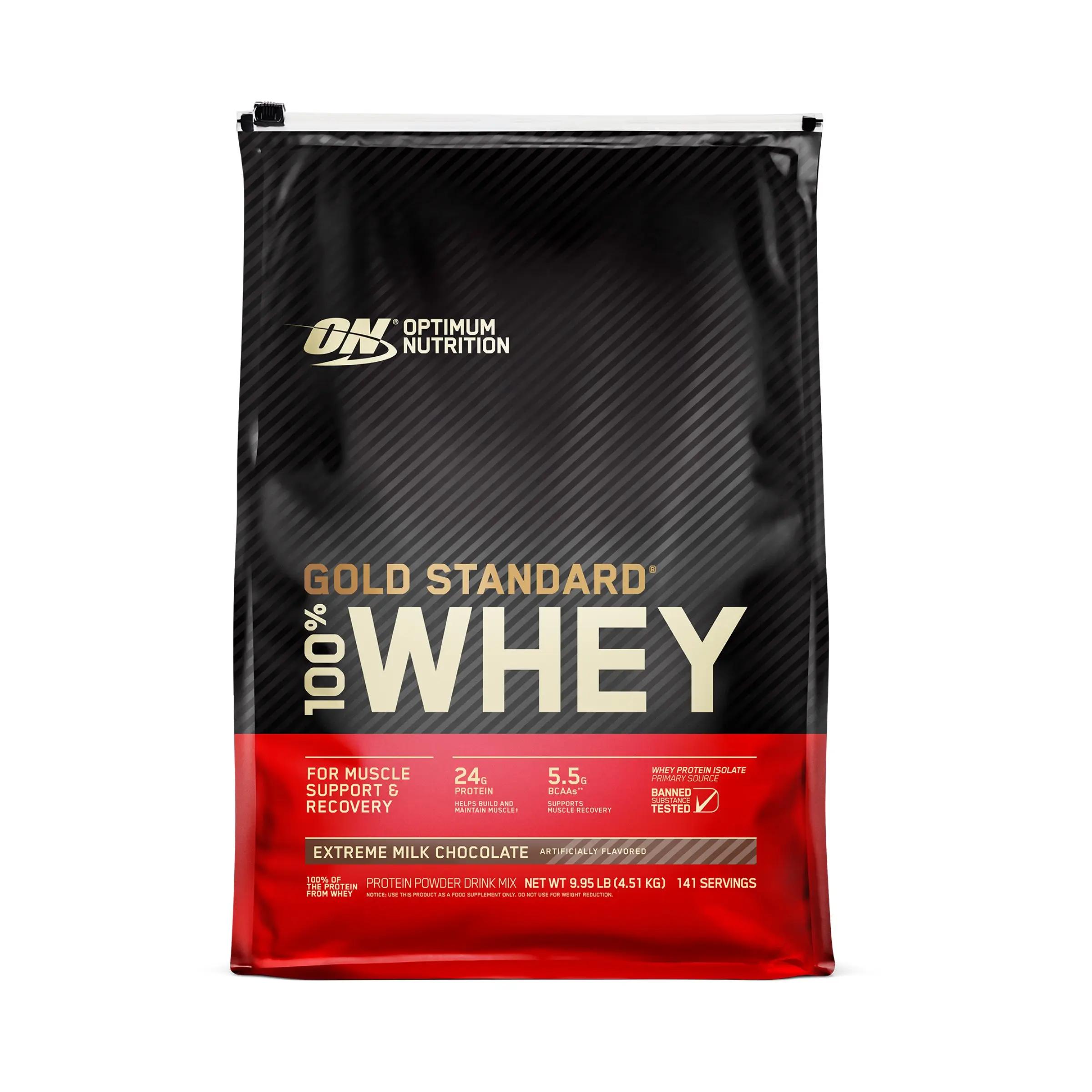


Optimum Nutrition Shop

4.7
16.4K sold
$22.99


Optimum Nutrition Shop
4.7
3.5K sold
$25.99


Optimum Nutrition Shop
4.9
104 sold
$45.98


1st Phorm
4.9
887 sold
$29.99

Related Searches
Related Categories
Introduction
When it comes to choosing a creatine supplement, many fitness enthusiasts find themselves debating between monohydrate and micronized creatine. Creatine is a naturally occurring compound in the body that plays a key role in energy production during high-intensity exercise. Among the various forms, creatine monohydrate is the most researched and widely used, known for its proven quality and effectiveness in increasing strength and muscle mass. On the other hand, micronized creatine is a refined version of creatine monohydrate, featuring smaller particles that improve solubility and absorption in the body. This can lead to faster results and may be easier on the stomach for some users.
Here’s a quick comparison of the two:
- Solubility: Micronized creatine dissolves better in water, making it easier to mix and consume.
- Absorption: Some users report that micronized creatine is absorbed more efficiently, leading to quicker effects.
- Cost: Micronized creatine often comes at a higher price point compared to standard monohydrate.
- Research: Creatine monohydrate has extensive research backing its effectiveness, while micronized creatine is still gaining traction.