modems
Modems are essential devices that connect your home or office network to the internet service provider (ISP). They convert digital data from your computer into the analog signal needed for transmission over telephone lines or cable systems, and vice versa.







Introduction
In today's digital age, having a reliable internet connection is crucial, and the modem plays a key role in achieving this. A modem acts as a bridge between your local network and the wider internet, allowing devices like computers, smartphones, and tablets to communicate effectively. When you subscribe to an internet service, your ISP provides you with a modem that translates the data from their network into a format that your devices can understand.
There are various types of modems available, including , cable, and fiber-optic modems, each suited to different types of internet services. For example, cable modems are ideal for high-speed internet connections via coaxial cables, while modems work over telephone lines. Understanding the type of modem you need is vital for optimizing your internet speed and reliability.
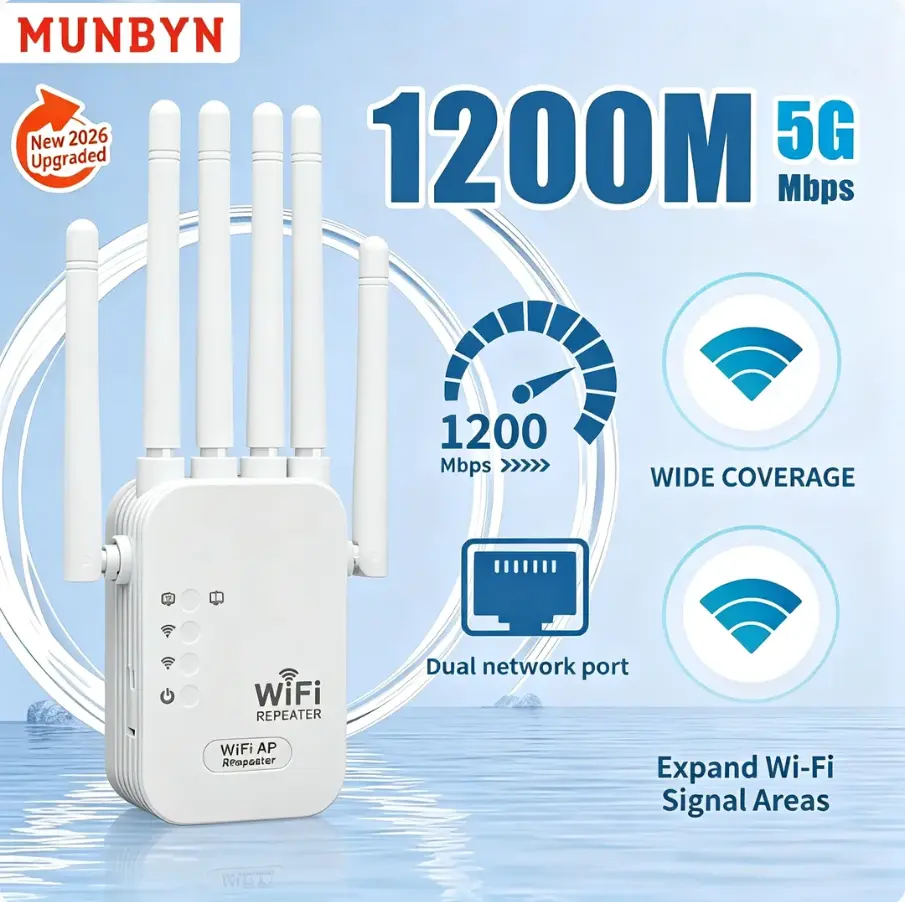
Moreover, many modern modems come integrated with wireless routers, providing both wired and wireless connectivity options. This means you can connect multiple devices to the internet without the hassle of cables. When choosing a modem, consider factors like speed, compatibility with your ISP, and additional features such as built-in security protocols. Investing in the right modem not only enhances your internet experience but also ensures that you stay connected seamlessly.