milk isolate vs whey isolate
Milk isolate and whey isolate are both high-quality protein supplements derived from milk, but they differ in their composition and benefits. Milk isolate contains both casein and whey proteins, while whey isolate is primarily composed of whey protein, making them suitable for different dietary needs and fitness goals.
Featured brands
Authenticated productsVerified shops


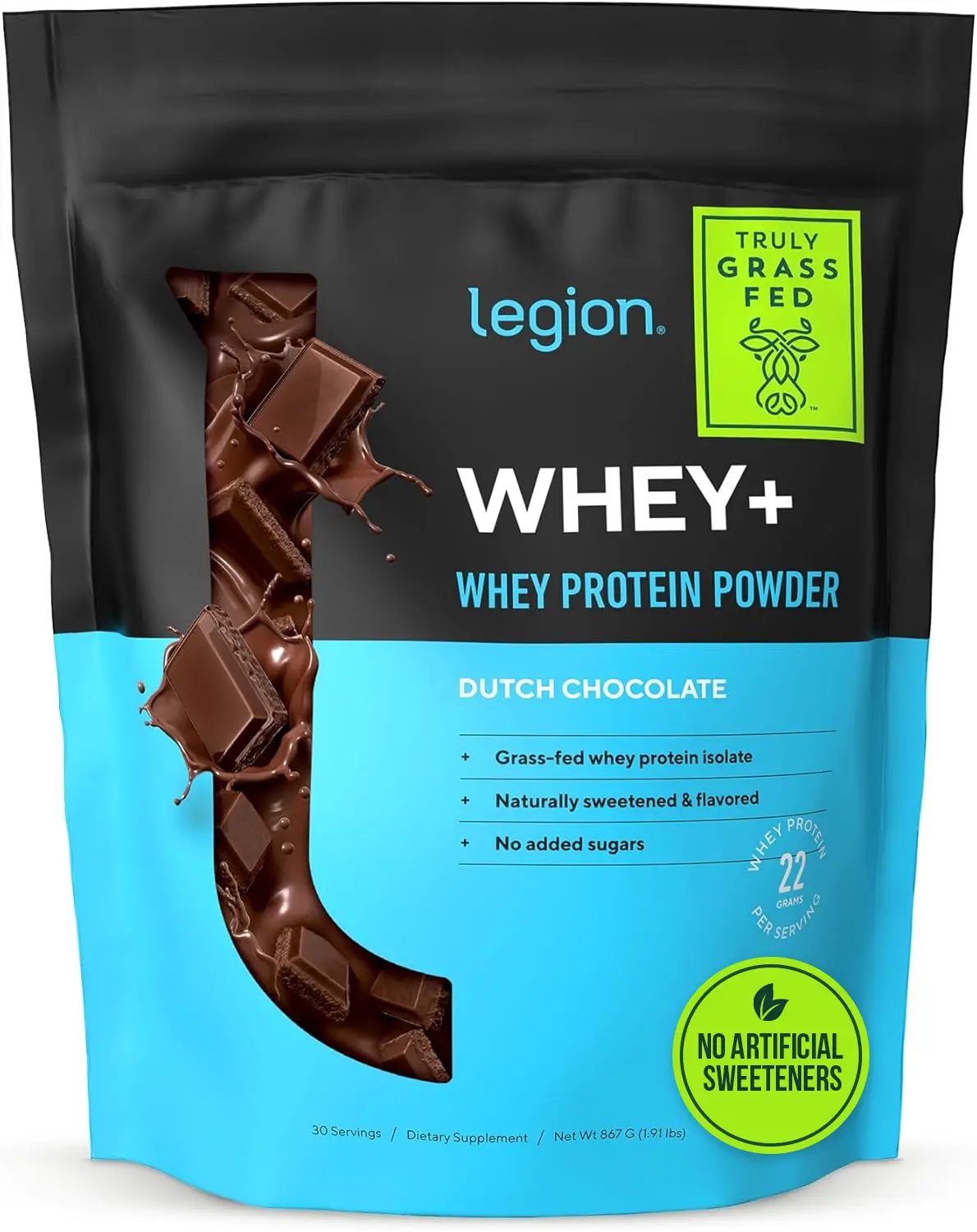

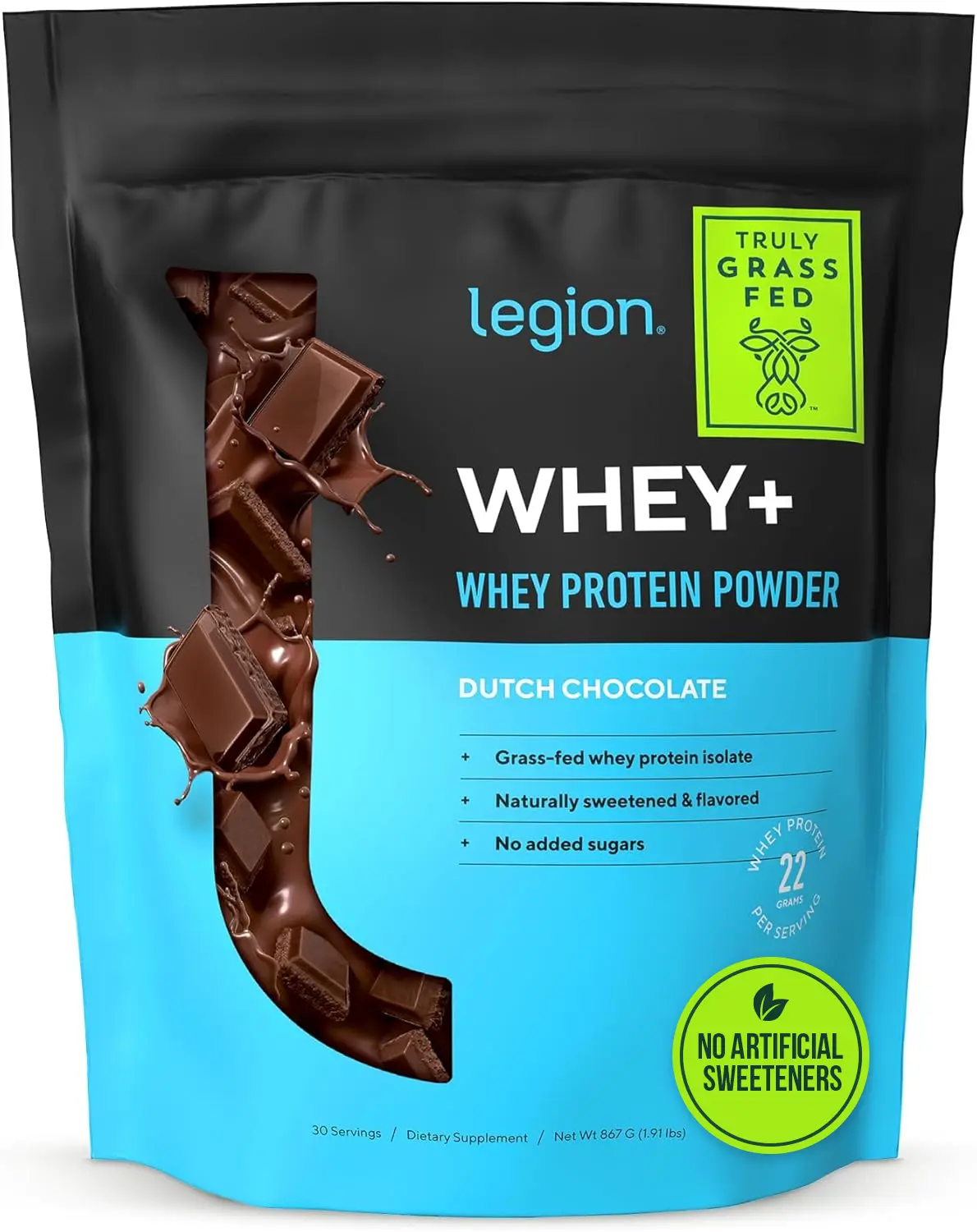


Legion Supplements

4.7
6.6K sold
$39.99


Optimum Nutrition Shop
4.7
11.3K sold
$148.99


Transparent Labs
4.5
40 sold
$59.99


Nutricost
4.7
585 sold
$65.97


iHerb
5.0
138 sold
$113.12


Primeval Labs
4.4
1.8K sold
$54.99


Related Searches
Related Categories
Introduction
When it comes to fitness supplements, understanding the differences between milk isolate and whey isolate is crucial for making informed choices. Both are excellent sources of protein that can aid in muscle recovery and growth, but they serve slightly different purposes. Milk isolate is a complete protein that provides both whey and casein, offering a sustained release of amino acids. This makes it ideal for those looking for a longer-lasting protein source, perfect for post-workout recovery or as a meal replacement. On the other hand, whey isolate is rapidly digested and absorbed, making it an excellent choice for immediate post-workout nutrition. It is lower in lactose and fats, which can be advantageous for those with lactose intolerance or those looking to intake.
Here are some key points to consider when choosing between milk isolate and whey isolate:
Here are some key points to consider when choosing between milk isolate and whey isolate:
- Protein Content: Both options are high in protein, but whey isolate typically contains a higher percentage of protein per serving.
- Digestion Rate: Whey isolate digests faster, while milk isolate provides a more gradual release of protein.
- Lactose Levels: Whey isolate is often lower in lactose, making it suitable for lactose-sensitive individuals.
- Usage: Milk isolate can be beneficial for meal replacements, whereas whey isolate is great for post-workout recovery.
- Flavor and Texture: Milk isolate may have a creamier texture, while whey isolate is often lighter and mixes easily.