Results for "micro electronics"
Microelectronics refers to the branch of electronics that deals with very small electronic components and systems, typically at the scale of micrometers. It plays a crucial role in the development of integrated circuits and semiconductor devices.

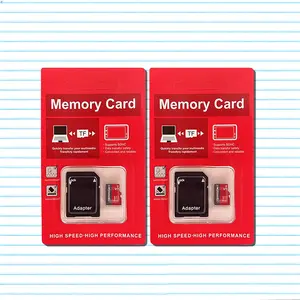
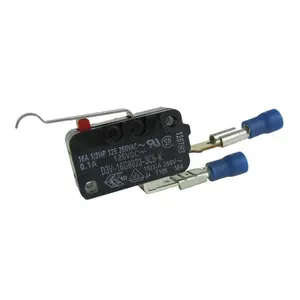
$20.06
$20.67


Related Searches
Related Categories
Introduction
Microelectronics is an essential field that focuses on the design and fabrication of tiny electronic components that power today's technology. From smartphones to medical devices, microelectronics is everywhere, making it a vital area of study and application. Understanding microelectronics can help you appreciate the intricate technology behind everyday gadgets.
Here are some key points about microelectronics:
For anyone interested in technology, understanding microelectronics is crucial. It's a field that not only shapes the devices we use but also drives innovation in various industries. Whether you’re a student, a professional, or just a tech enthusiast, diving into the world of microelectronics can open up numerous opportunities and insights into the future of technology.
Here are some key points about microelectronics:
- Miniaturization: Microelectronics enables the miniaturization of electronic components, allowing for smaller and more efficient devices.
- Integration: It allows for the integration of multiple functions into a single chip, enhancing performance and reducing costs.
- Applications: Microelectronics is used in various applications, including consumer electronics, automotive systems, and medical equipment.
- Innovation: The field is constantly evolving, with new materials and techniques being developed to improve performance.
For anyone interested in technology, understanding microelectronics is crucial. It's a field that not only shapes the devices we use but also drives innovation in various industries. Whether you’re a student, a professional, or just a tech enthusiast, diving into the world of microelectronics can open up numerous opportunities and insights into the future of technology.