medicine gloves
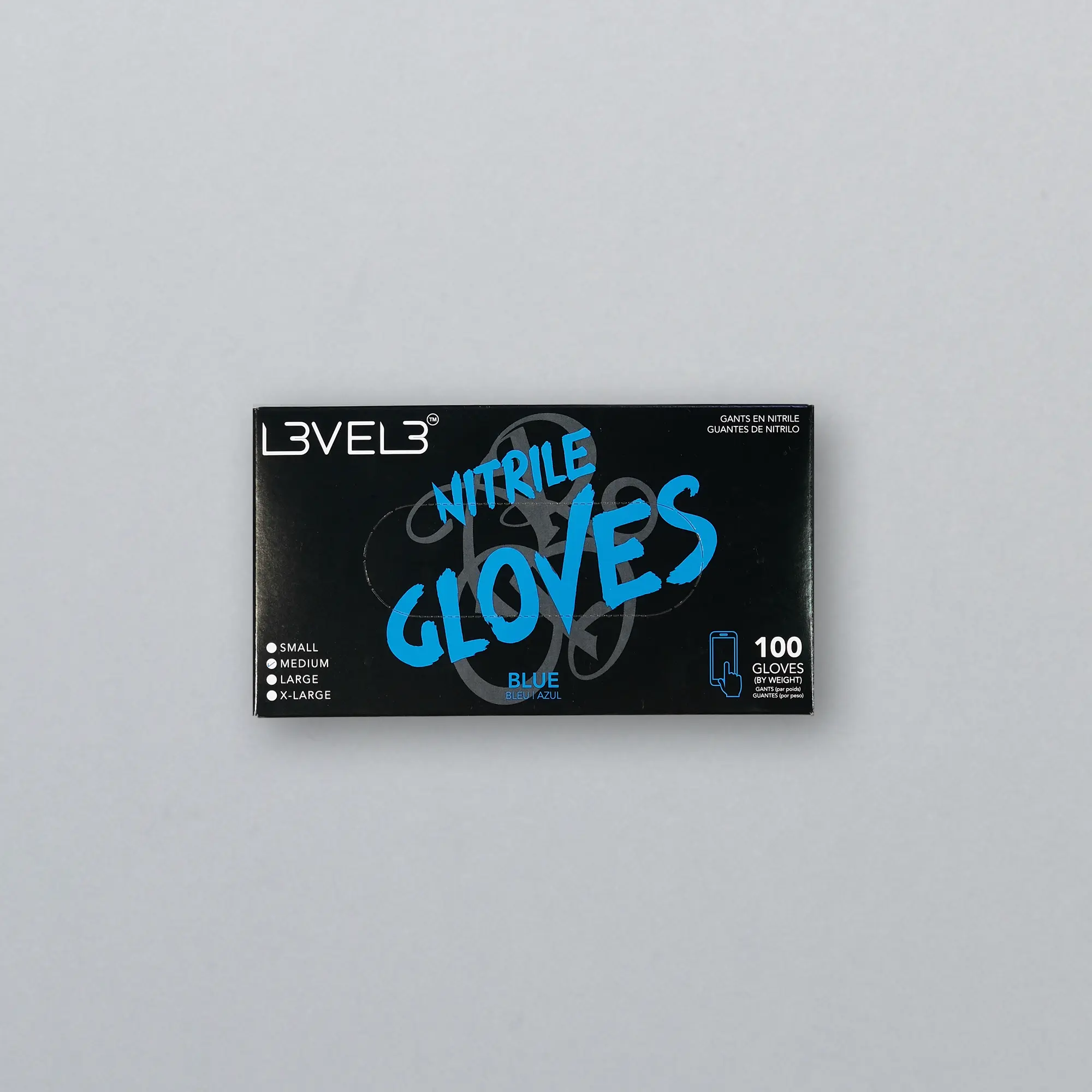
Medicine gloves are protective gloves used in medical settings to prevent contamination and ensure hygiene during procedures. They are typically made from materials such as latex, nitrile, or vinyl.
Featured brands
Authenticated productsVerified shops








![[BUY 1 GET 1 FREE] 200Pcs Disposable Nitrile Gloves Black Purple, Powder Free, Latex Free – Food Preparation, Non-Slip, Strong & Stretchable – Great for Cooking, Cleaning, Beauty, Mechanic Work, Salons, Pet Grooming – Household Must-Haves,back to school](https://p16-oec-general-useast5.ttcdn-us.com/tos-useast5-i-omjb5zjo8w-tx/6766259dc5f842e599725e121cdef62e~tplv-fhlh96nyum-resize-webp:600:600.webp?dr=12190&t=555f072d&ps=933b5bde&shp=8dbd94bf&shcp=a6e80448&idc=useast5&from=2378011839 "[BUY 1 GET 1 FREE] 200Pcs Disposable Nitrile Gloves Black Purple, Powder Free, Latex Free – Food Preparation, Non-Slip, Strong & Stretchable – Great for Cooking, Cleaning, Beauty, Mechanic Work, Salons, Pet Grooming – Household Must-Haves,back to school")


Related Searches
Related Categories
Introduction
Medicine gloves are essential for healthcare professionals, ensuring safety and hygiene during medical procedures. These gloves come in various materials, including latex, nitrile, and vinyl, each offering different levels of protection and comfort. When selecting the right medicine gloves, consider factors such as the type of procedure, sensitivity to materials, and the level of protection required.
Here are some key points to keep in mind:
Here are some key points to keep in mind:
- Material Choice: Latex gloves provide excellent elasticity but may cause allergic reactions in some individuals. Nitrile gloves are a great alternative, offering durability and resistance to chemicals. Vinyl gloves are less expensive but provide lower protection.
- Size and Fit: Ensure the gloves fit snugly to provide dexterity and prevent accidents. Available sizes range from small to extra-large.
- Usage Scenarios: Medicine gloves are used in various settings, including hospitals, clinics, and laboratories, for tasks such as examinations, surgeries, and handling hazardous materials.
- Quality Standards: Look for gloves that meet regulatory standards for medical use, ensuring proven quality and safety.
- Customer Approval: Trusted by thousands of healthcare workers, these gloves are a staple in maintaining hygiene and preventing cross-contamination.