Search
Coupon Center
Get app
Log in
TikTok Shop
Shop All Categories
math games kindergarten
math games kindergarten
Featured brands
Authenticated products
Verified shops
Skillmatics
4.8
157.6K
Sold
40.7K+
Follower
$
19
.97
$
19
.97
$
24
.97
$
24
.97
$
28
.96
$
19
.97
Filters
Sort by
Deals
4 Stars & Up
Under $20
Over $40
Educational Toys
Games & Puzzles
Classic & Novelty Toys
Office Stationery & Supplies
Free shipping
Montessori Wooden Math Learning Tools for 3-5 Year Old Toddlers - Early Math Colored Blocks Counting Game Set, Kindergarten Supplies, Fingers Arithmetic Manipulatives, Learning Materials
4.7
193 sold
Limited time deal
-50%
$
9
.99
$19.98
110 Piece Magnetic Fraction Tiles Set, Dinosaur Cover, Includes Pen, Montessori Division Board, Math Counting Board, Kindergarten Use, Table Math Games, Math Learning Tools
3.0
17 sold
-34%
$
7
.98
$12.09
Ice Cream Counting and Color Sorting Stacking Toys for Kids, Safety ABC Learning Tool, Math Learning Tools, Number Math Games Learning Gifts, Preschool Kindergarten Learning Activities Fine Motor Skill Toys, Number Counting Blocks
3.0
38 sold
-58%
$
9
.61
$22.89
Free shipping
Educational Learning Tools Kids Learning Materials Toddler Stuff Sensory Toys Montessori Sorting at Home Montessori Toddler Toys Math Counting Game Kids Activities at Home Educational Toy Set For Kindergarten Learning Game
4.9
2.3K sold
-57%
$
12
.98
$29.99
Free shipping
Momo & Nashi Number Puzzle Kindergarten Math Game - [Back to school shopping] - 20 Sets Learning Numbers Puzzles
3 sold
-56%
$
15
.87
$35.67
Free shipping
hand2mind MathLink Cubes Numberblocks Activity Sets, 30 Preschool Learning Activities, Counting Blocks, Linking Cubes, Educational Toys for Kids, Number Games, Math Manipulatives Kindergarten
4.9
341 sold
$
40
.95
Digital Felt Tree Board Addition Subtraction Math Game Teaching Toy, Math Teaching Aid, Table Math Games, Kindergarten Number Counting Apple Tree Match Game for Preschool Learning Math Learning Tools
5.0
11 sold
-5%
$
3
.79
$3.99
Free shipping
Montessori Arithmetic Toy - Colorful Math Toy with Chopsticks & Spoons, 25.5*25.4*4.29 cm Silicone Digital Set for Arithmetic Play, Kindergarten Educational Gift Promoting Cognitive Development & Color Recognition
5.0
4 sold
-50%
$
7
.99
$15.98
Free shipping
Magnetic Fishing Math Game for Kids with Dice Poppers, Fishing Game, Math Manipulatives for Kindergarten Preschool, Montessori Counting and Addition Dice Games Homeschool Learning Toy
2 sold
-32%
$
20
.99
$30.99
Learning Resources Head Full Of Numbers, Math Games for Kindergarten, Basic Math Skills, 13 Piece Set, Ages 7+
1 sold
$
24
.14
[DealsForYouDays] Montessori Wooden Math Toy for Preschool Kids, Finger Counting Board with Number Blocks & Math Cards, Screen Free Hands On Learning Activity, Kindergarten Math Center, Homeschool Math Resource for Early Learning Ages 3-5
6 sold
Limited time deal
00:00:00
$
13
.48
Free shipping
Wooden Montessori Multiplication Board Game: Math Educational Toys Multiplication Table Board Game Montessori Math Manipulatives Toys Toddlers Kids Multiplication Chart Game for Early Educationfidget toys
Limited time deal
$
35
.98
Digital Felt Tree Board Addition Subtraction Math Game Teaching Toy, Math Teaching Aid, Kindergarten Number Counting Apple Tree Match Game for Preschool Learning
6 sold
-23%
$
3
.77
$4.89
Free shipping
Tang Math Games Kakooma® Plus Fast-Paced Puzzle Card Game for Grades 1-5 with 40 Numbered Cards for Math Skills Practice
4.9
480 sold
Limited time deal
00:00:00
-17%
$
9
.96
$12.00
Children's Day Gift:Multiplication Flash Cards 0-12 – 15PCS Times Table Flash Cards with Dry Erase Markers & Ring, Math Learning Game for Classroom and Home Gift Teaching Aid
5.0
209 sold
$
8
.98
1-30 Pencil Number Counting Set, Reusable Classroom Number Sorting Pen Holder, Early Math Learning Toy, Math Teaching Aid, Digital Game Props
20 sold
-25%
$
18
.51
$24.69
Free shipping
Summervibes Number Lock & Key Toy – Matching & Counting Game for Early Learning Deals for You Days Math Teaching Aid
4.8
2.0K sold
-50%
$
21
.99
$43.98
Free shipping
Unisex Smooth Wooden 10-Frame Counting Board Math Teaching Aid - Hands-On Math Learning Toy with 90 Cards, Addition-Subtraction Game, Number Bonds, 3-4 Years Preschool Kids Gift Toyset Table Math Games sohochic
5.0
6 sold
-52%
$
14
.98
$31.24
Kids Wooden Montessori Cognitive Cards Number Counting Math Game Educational Toys For Kids Early Childhood Preschool Training
$
13
.28
Free shipping
Educational Learning Tools Kids Learning Materials Toddler Stuff Sensory Toys Montessori Sorting at Home Montessori Toddler Toys Math Counting Game Kids Activities at Home Educational Toy Set For Kindergarten Learning Game Number Counting Blocks Math Teac
1 sold
Limited time deal
$
13
.99
Wooden Math Learning Toy - Colorful Finger Counting Blocks for Youngsters, Educational Math Puzzle Game with Number Recognition & Addition Skills Development
4.8
417 sold
$
11
.98
Learning Resources Mathswatters Addition & Subtraction Game - Math Games, Numbers Flash Cards, Classroom And Preschool Must Haves, Montessori, Fine Motor Skills Manipulatives, Kindergarten
14 sold
$
28
.05
Free shipping
Number Cognitive Operation Bead Matching,Montessori Arithmetic Math Toy Set- Silicone DigitalLearning with Beads, Chopsticks & Spoons-Educational Gift for Kindergarten, Set Colorful Bead Matching Puzzle,Preschool MathsToy, Learning Toy
4.9
733 sold
-45%
$
9
.89
$17.98
Free shipping
Hatwoo 1-9000 Small Number Cards with Box, Wooden Math Number Counting Manipulative Toys, Early Development Basic Math Game Learning Materials Educational Aids
4.8
3.0K sold
$
17
.99
Free shipping
JoyCat Double-Sided Laminated Paper Math Flash Cards (4-Pack Set) - Multiplication, Division, Addition, Subtraction, Math Games for Kindergarten/1st-5th Grade (Ages 4-12), Homeschool Supplies for Studying & Learning
5.0
78 sold
$
22
.90
Free shipping
hand2mind Numberblocks Wooden Building Blocks Activity Set, Wood Stacking Toy, Counting Blocks, Numbers for Toddlers, Math Games, Logic Puzzles, Preschool Learning Activities, Kids Birthday Gift
4.9
609 sold
$
37
.79
Free shipping
Wooden abacus toy, Montessori Math Toy Set, Educational Learning Tools, Fine Motor Skills, Color Recognition, Focus Training, Arithmetic Learning, Silicone Digital Beads Game, Chopsticks & Spoons, Kindergarten Educational Toy, Kids Ages 3+,Summervibes
3 sold
Limited time deal
-32%
$
14
.99
$21.99
SYNARRY Wooden Ten-Frame Set Math Manipulatives for Kindergarten Elementary 1st 2nd Grade Homeschooling, Addition and Subtraction Montessori Math Games for Chirldren, Counters Toys for Kids Ages 4-8
4.8
429 sold
$
22
.99
Free shipping
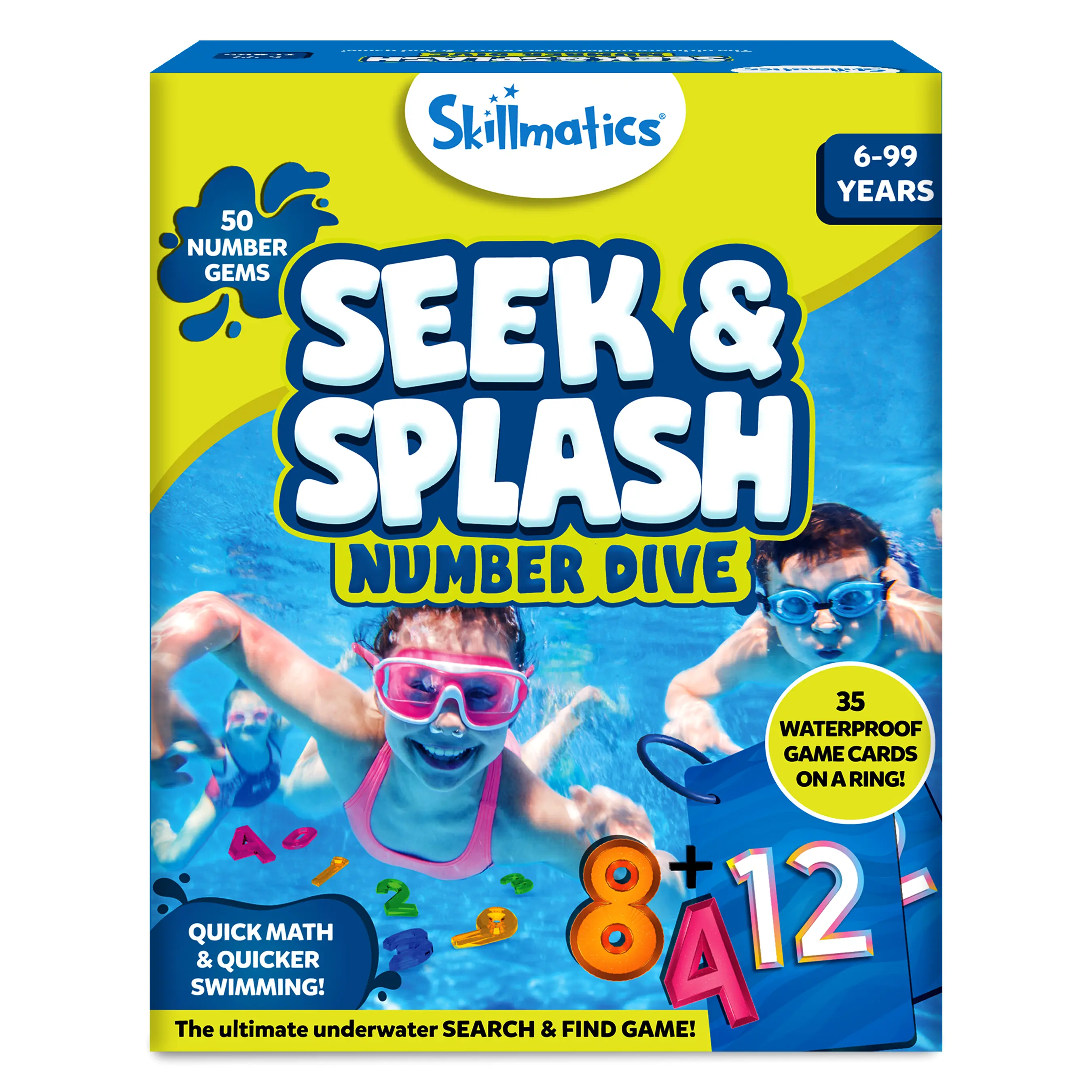
Skillmatics
Skillmatics Search and Find Educational Game - Reusable Preschool Learning Activities, Perfect for Toddlers & Kids Who Love Toys, Art & Crafts, Gifts for Boys & Girls Ages 3 to 6
4.9
842 sold
$
29
.97
Free shipping
Montessori Arithmetic Math Toy Bead Set - Silicone Digital Learning Tool with Chopsticks, Spoons, Soft Airflow, Matching Game - 25.5*25.4*4.29 cm, Enhances Color Recognition, Ideal for Kindergartens, Birthday Party Gift, Math Learning Tools, Learning Mate
5.0
39 sold
-50%
$
7
.99
$15.98
Related Searches
math worksheets kindergarten
math kindergarten worksheets
kindergarten math worksheets
kindergarten math sheets
math worksheets for kindergarten
kindergarten math coloring sheets
kindergarten math coloring worksheets
math coloring worksheets for kindergarten
kinder math worksheets
printable kindergarten math worksheets
Related Categories
School & Educational Supplies
Maths Toys
Shape Sorters
Flash Cards
Party Bags & Gifts
Combs & Brushes
DIY Woodwork
Card Games






![Momo & Nashi Number Puzzle Kindergarten Math Game - [Back to school shopping] - 20 Sets Learning Numbers Puzzles](https://p16-oec-general-useast5.ttcdn-us.com/tos-useast5-i-omjb5zjo8w-tx/5a2b1b7c45444d2882f5ad7a44641183~tplv-fhlh96nyum-resize-webp:600:600.webp?dr=12190&t=555f072d&ps=933b5bde&shp=8dbd94bf&shcp=a6e80448&idc=useast5&from=2378011839 "Momo & Nashi Number Puzzle Kindergarten Math Game - [Back to school shopping] - 20 Sets Learning Numbers Puzzles")


![[DealsForYouDays] Montessori Wooden Math Toy for Preschool Kids, Finger Counting Board with Number Blocks & Math Cards, Screen Free Hands On Learning Activity, Kindergarten Math Center, Homeschool Math Resource for Early Learning Ages 3-5](https://p16-oec-general-useast5.ttcdn-us.com/tos-useast5-i-omjb5zjo8w-tx/b0d6ea595d9a4db09de2321ba4bba4aa~tplv-fhlh96nyum-resize-webp:600:600.webp?dr=12190&t=555f072d&ps=933b5bde&shp=8dbd94bf&shcp=a6e80448&idc=useast5&from=2378011839 "[DealsForYouDays] Montessori Wooden Math Toy for Preschool Kids, Finger Counting Board with Number Blocks & Math Cards, Screen Free Hands On Learning Activity, Kindergarten Math Center, Homeschool Math Resource for Early Learning Ages 3-5")


