makeup brush vs sponge
Makeup brushes and sponges are essential tools for applying makeup, each offering unique benefits and techniques for achieving a flawless finish.
Featured brands
Authenticated productsVerified shops


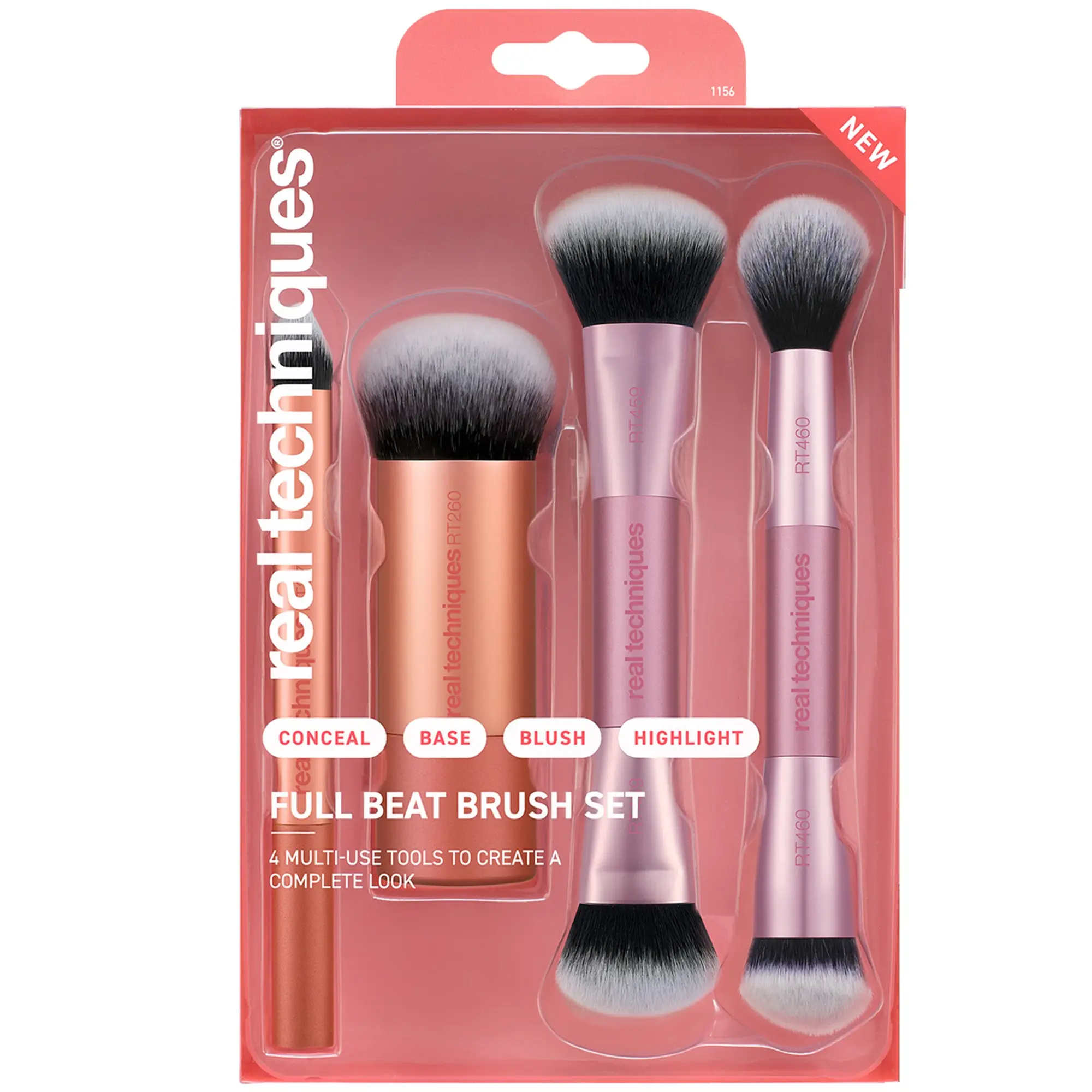
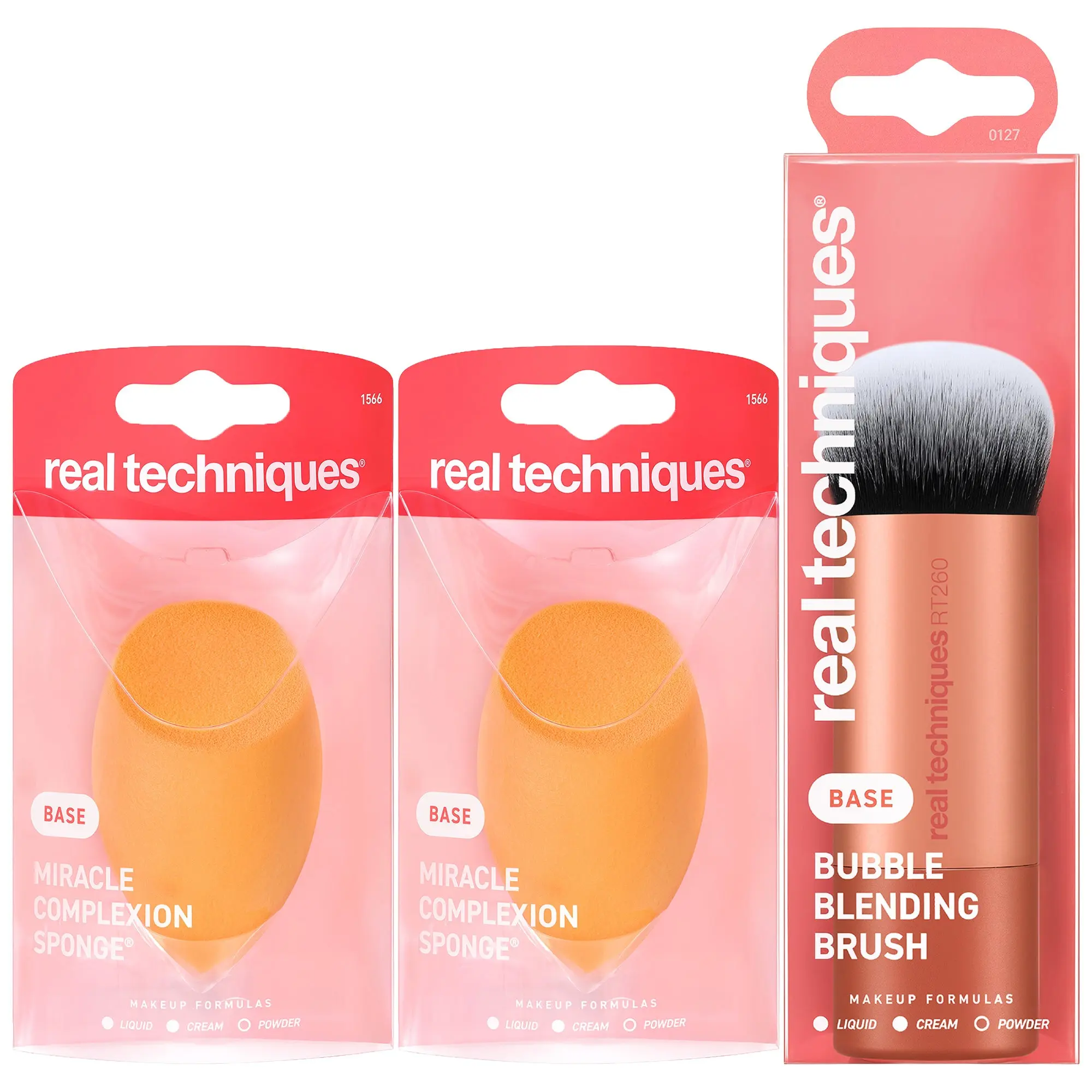
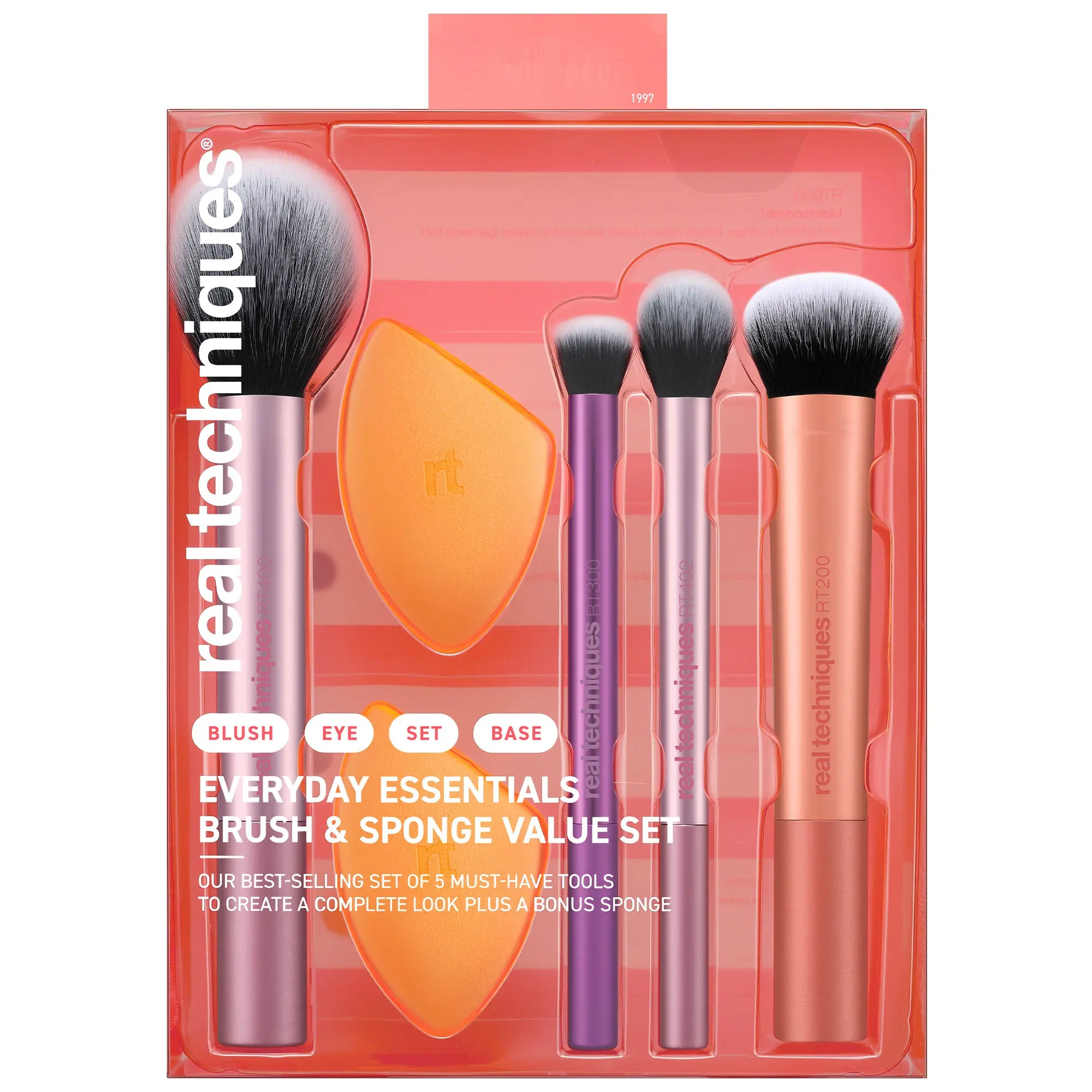

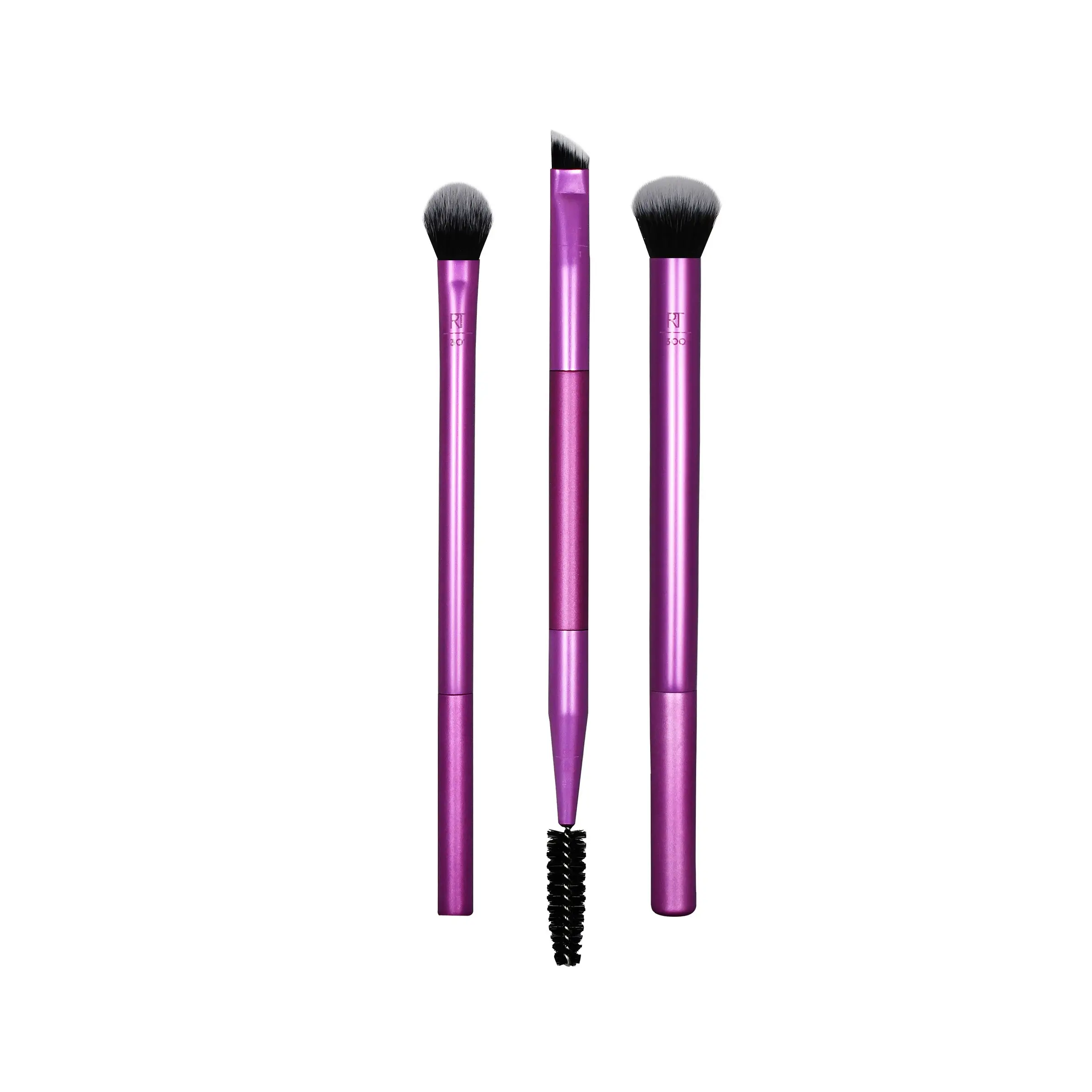


Real Techniques

5.0
76 sold
$24.50


Related Searches
Related Categories
Introduction
When it comes to applying makeup, the debate between using a makeup brush or a sponge is a common one among beauty enthusiasts. Each tool has its own advantages and can significantly affect the outcome of your makeup application. Makeup brushes are designed for precision and control, making them ideal for applying products like foundation, blush, and eyeshadow. They come in various shapes and sizes, allowing you to create different looks and achieve detailed application. On the other hand, makeup sponges, particularly the popular beauty blender, are known for their ability to blend products seamlessly into the skin. Sponges can provide a more natural, airbrushed finish, especially when dampened before use. Here are some key points to consider when choosing between a makeup brush and a sponge:
- Application Technique: Brushes allow for more control, while sponges excel at blending.
- Product Type: Some products work better with brushes (like powders), while others are best applied with sponges (like liquid foundations).
- Finish: Brushes can give a more defined look, whereas sponges create a softer, more diffused finish.