Loop Earplugs
Loop Earplugs listings sit in the ear protection category, where models differ by how much noise they attenuate and whether attenuation is flat or frequency-shaped. Ear tip size affects both fit and measured performance, so check the model and included tip sizes on each listing.

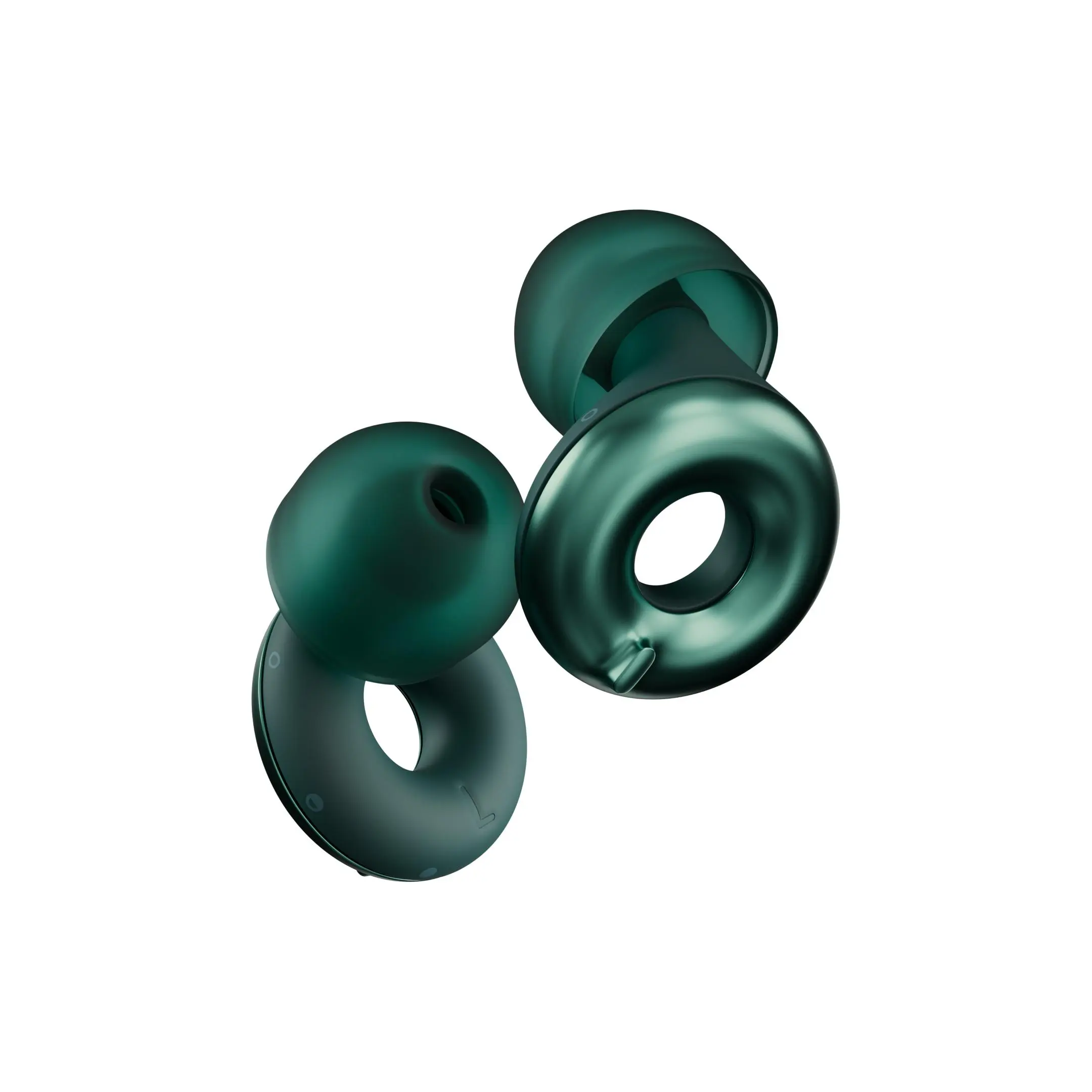
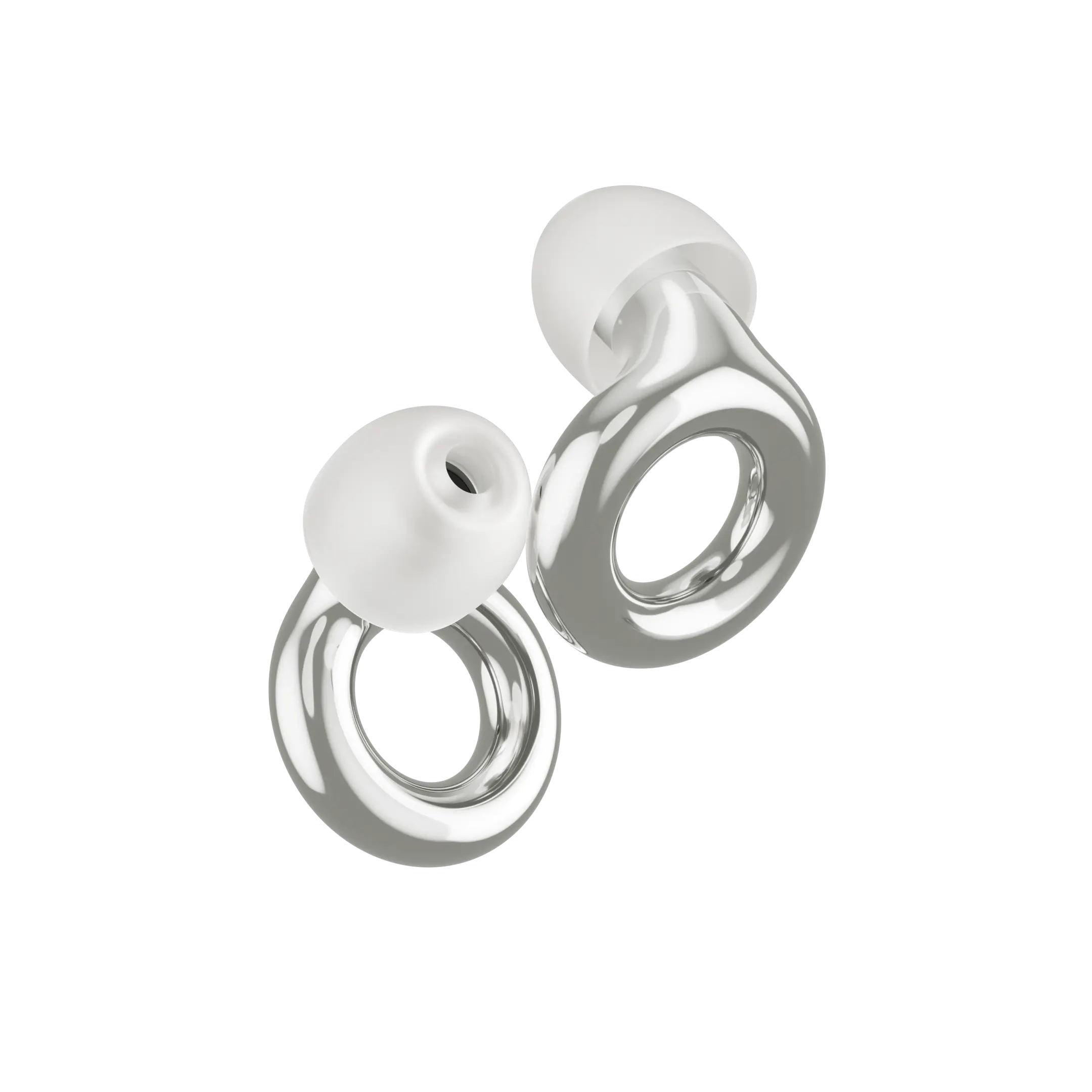
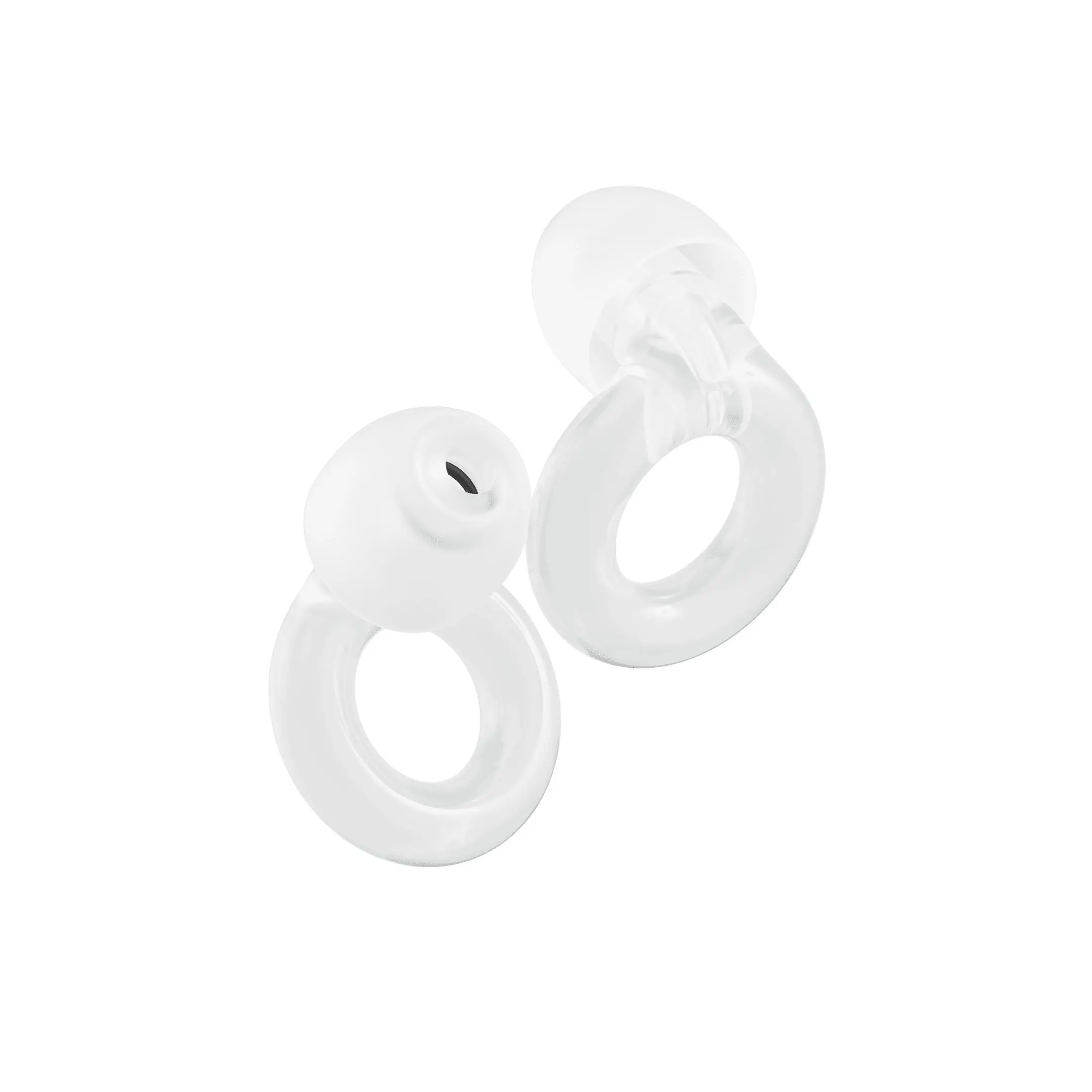
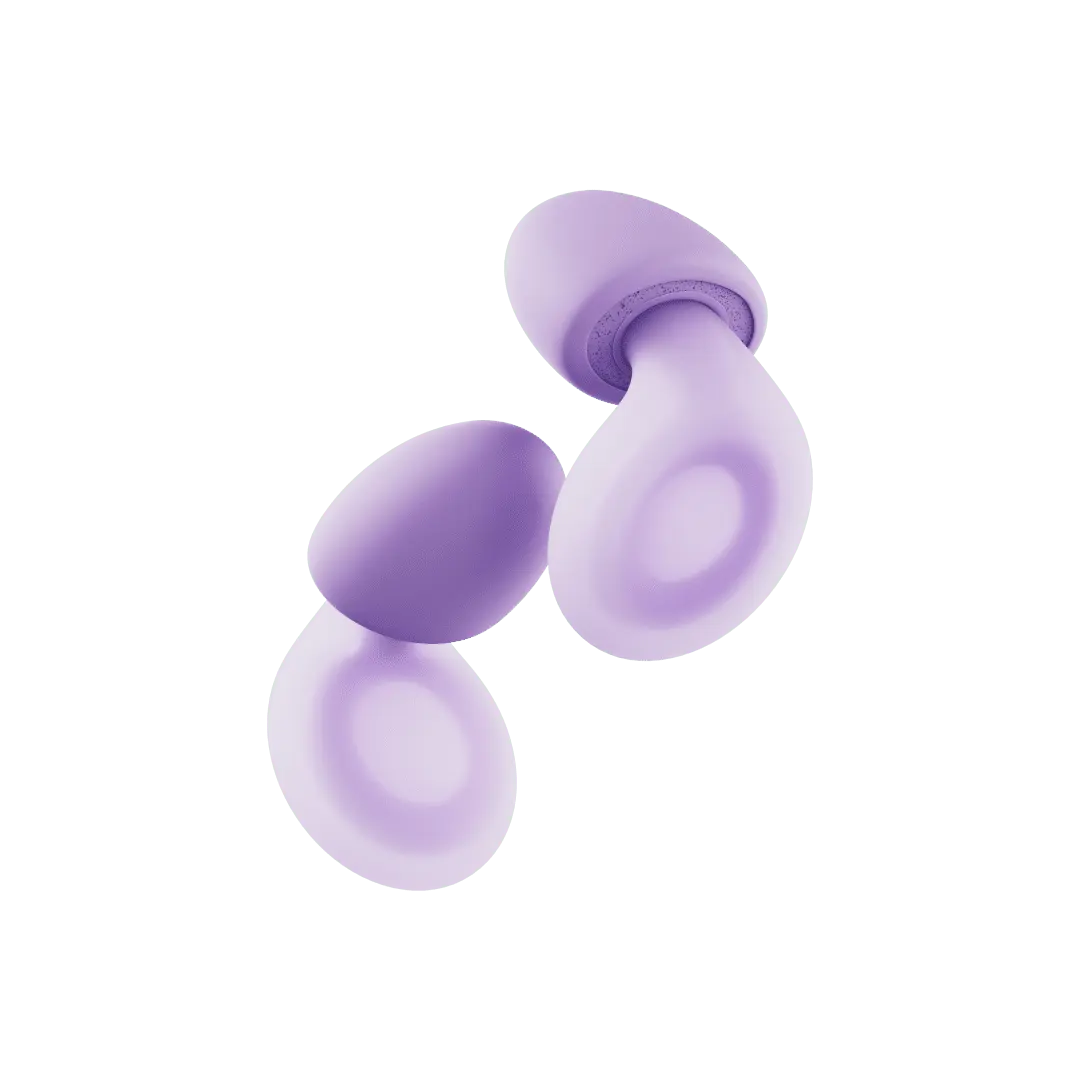
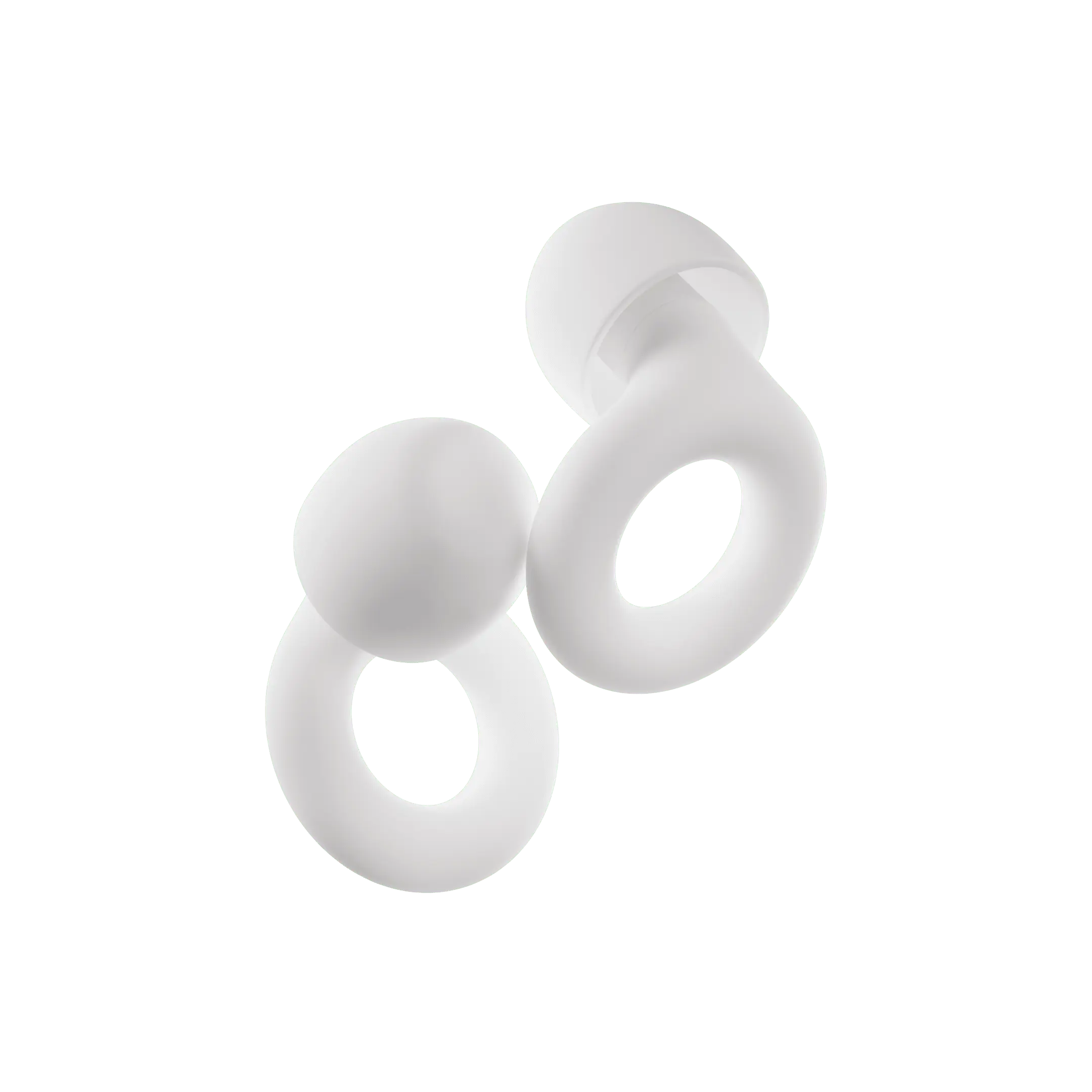
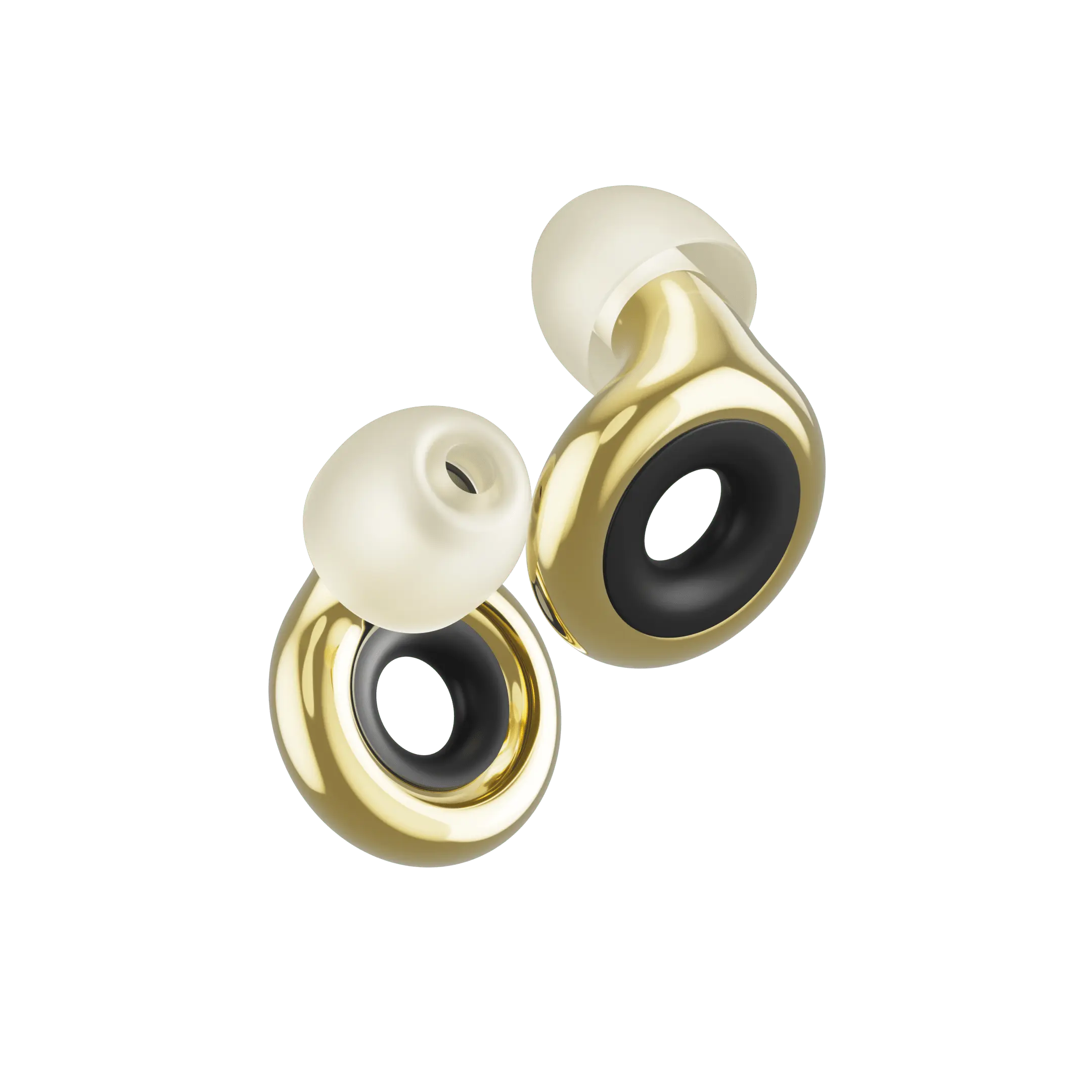


Introduction
Earplugs are chosen by how much they reduce noise and by the shape of that reduction across frequencies. Products designed for sleep aim to cut as much as possible; products designed for live music aim to reduce evenly so that sound stays balanced rather than muffled.
Loop Earplugs sells distinct models along that spectrum, and the model name is the field that matters most when comparing listings. Two models can look nearly identical while being engineered for opposite use cases, so the noise reduction rating and the intended scenario are worth reading before the colour.
Details worth comparing:
- Noise reduction rating — quoted in decibels, this is the headline figure, but the rating assumes a correct seal in the ear canal.
- Attenuation profile — flat attenuation preserves the balance of music; sleep-oriented models cut more heavily and unevenly by design.
- Ear tip size — a poor seal loses much of the rated reduction, so check which tip sizes are included and whether extras are sold separately.
- Model compatibility — accessories and tips are not universal across models, so confirm compatibility before buying replacements.
- Case and carry — whether a case is included differs between listings even for the same model.
Fit is worth spending time on. Most of the gap between a product's rated reduction and what you actually experience comes down to seal, not to the product itself, so trying each included tip size with a Loop Earplugs set before deciding it underperforms is usually the more productive step.
Which Loop Earplugs models, colours and tip sets are listed changes over time, so check the current listing details.