Results for "leaf tissue"

Leaf tissue refers to the specialized plant tissue that makes up the leaves of plants, including their structure and functions such as photosynthesis and gas exchange.

Featured brands
Authenticated productsVerified shops

Leaf Ring
4.9218 sold
$25.00
Wooden Sporks
Free shipping
Organic Comfrey Leaf (21 g)
Free shipping
LĒVO Shop
5.01 sold
$19.00
Dandelion Leaf C/S
Free shipping
Bamboo Skewers
Free shipping
Green Tea Leaf Extract 250mg
Free shipping
Solaray
5.03 sold
$23.42
Hoja de guanábana
4.865 sold
-29%$25.64$36.00
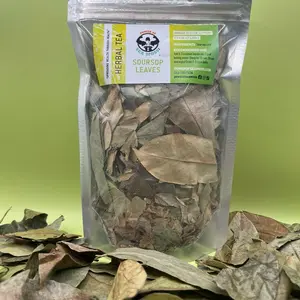
Soursop Leaves
4.31.3K sold
$16.00
Lemon Balm Leaf
Free shipping

Introduction

Leaf tissue plays a crucial role in the life of plants, serving as the primary site for photosynthesis, where sunlight is converted into energy. This specialized tissue is composed of various cell types, including mesophyll cells, which contain chloroplasts for capturing light energy. Understanding leaf tissue is essential not only for botany enthusiasts but also for anyone interested in gardening or understanding plant biology.

Here are some key points regarding leaf tissue:
  • Photosynthesis: Leaf tissue is vital for photosynthesis, allowing plants to produce their food and oxygen.
  • Gas Exchange: Stomata, small openings in leaf tissue, facilitate gas exchange, enabling plants to take in carbon dioxide and release oxygen.
  • Water Regulation: Leaf tissue helps regulate water loss through transpiration, maintaining plant health.
  • Types of Leaf Tissue: There are different types of leaf tissues, including epidermis, mesophyll, and vascular tissue, each serving unique functions.
By understanding leaf tissue, you can appreciate the intricate processes that sustain plant life. Whether you're a gardener looking to enhance your plants' health or simply curious about how plants function, knowledge of leaf tissue is foundational and beneficial. It's a fascinating topic that connects to broader themes in botany and ecology, highlighting the importance of plants in our ecosystem.

FAQs

What is leaf tissue?

Leaf tissue is the specialized plant tissue that makes up leaves, primarily responsible for photosynthesis and gas exchange.

Why is leaf tissue important?

Leaf tissue is crucial for photosynthesis, allowing plants to convert sunlight into energy, and for gas exchange, which is vital for plant respiration.

What types of cells are found in leaf tissue?

Leaf tissue contains various cells, including mesophyll cells, epidermal cells, and vascular tissue, each performing specific functions.

How does leaf tissue help with water regulation?

Leaf tissue regulates water loss through transpiration, helping maintain moisture levels within the plant.

Can leaf tissue vary between different plant species?

Yes, leaf tissue can vary significantly between different plant species, adapting to their specific environments and functions.