lavender spray for sleep
Lavender spray for sleep is a popular natural remedy that harnesses the calming properties of lavender essential oil to promote relaxation and improve sleep quality. This soothing spray can be used on pillows, bedding, or in the air to create a tranquil environment conducive to restful slumber.
Featured brands
Authenticated productsVerified shops



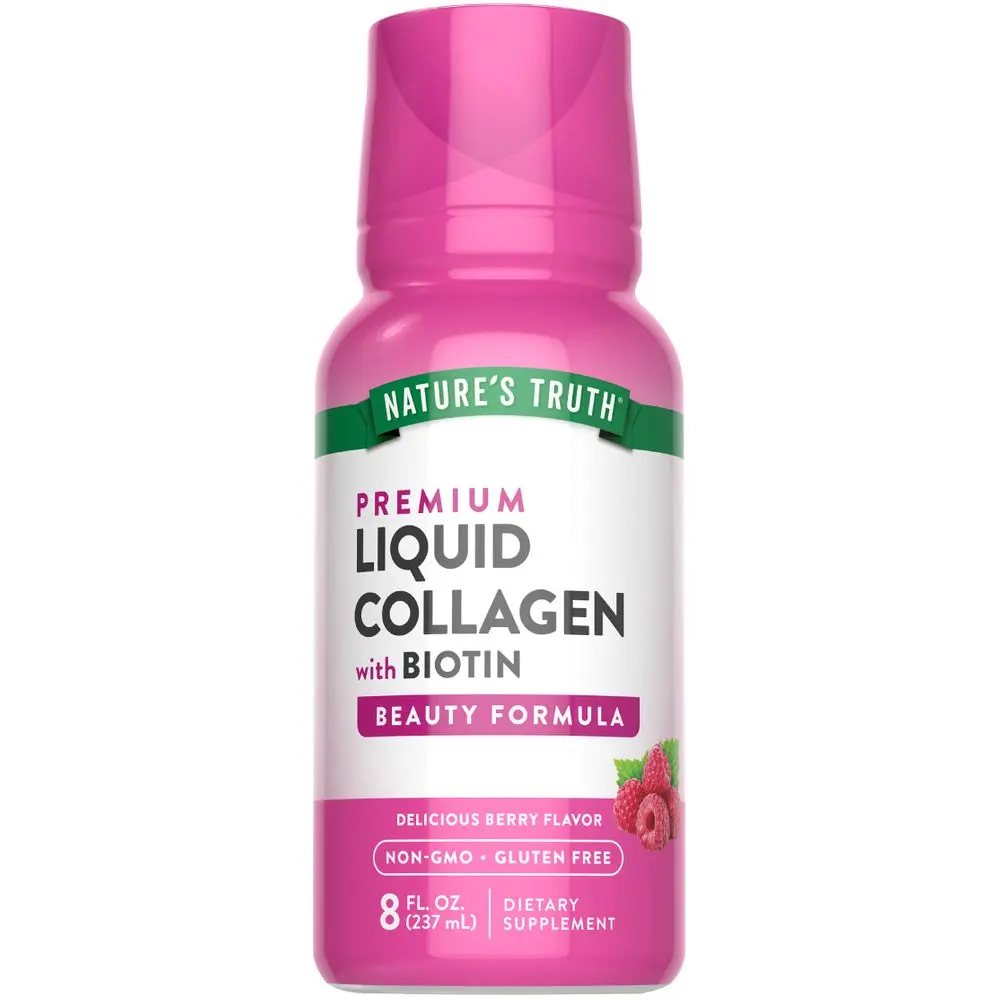






Nature’s Truth

5.0
22 sold
$9.49


$22.92


Related Searches
Related Categories
Introduction
If you're struggling to get a good night's sleep, consider incorporating lavender spray for sleep into your nighttime routine. Lavender essential oil has been celebrated for centuries for its calming effects, making it a staple in the realm of essential oils for aromatherapy. By simply spritzing lavender spray on your pillow or around your bedroom, you can transform your space into a serene sanctuary. The soothing aroma of lavender not only helps to reduce anxiety and stress but also encourages deeper, more restorative sleep.
In addition to its sleep-enhancing properties, lavender spray can also help improve mood and promote relaxation throughout the day. Many people find that using lavender in their evening rituals, such as a warm bath followed by a spritz of lavender spray, can significantly enhance their overall well-being.
For those who are sensitive to scents, lavender is a gentle option that is widely appreciated for its pleasant fragrance. You can easily make your own lavender spray at home by mixing lavender essential oil with water in a spray bottle. Embrace the power of nature with lavender spray for sleep and discover the benefits of essential oils for aromatherapy in your life.
In addition to its sleep-enhancing properties, lavender spray can also help improve mood and promote relaxation throughout the day. Many people find that using lavender in their evening rituals, such as a warm bath followed by a spritz of lavender spray, can significantly enhance their overall well-being.
For those who are sensitive to scents, lavender is a gentle option that is widely appreciated for its pleasant fragrance. You can easily make your own lavender spray at home by mixing lavender essential oil with water in a spray bottle. Embrace the power of nature with lavender spray for sleep and discover the benefits of essential oils for aromatherapy in your life.