laurel seasoning
Laurel seasoning, also known as bay leaf, is an aromatic herb used to enhance the flavor of various dishes, including soups, stews, and sauces.
Featured brands
Authenticated productsVerified shops


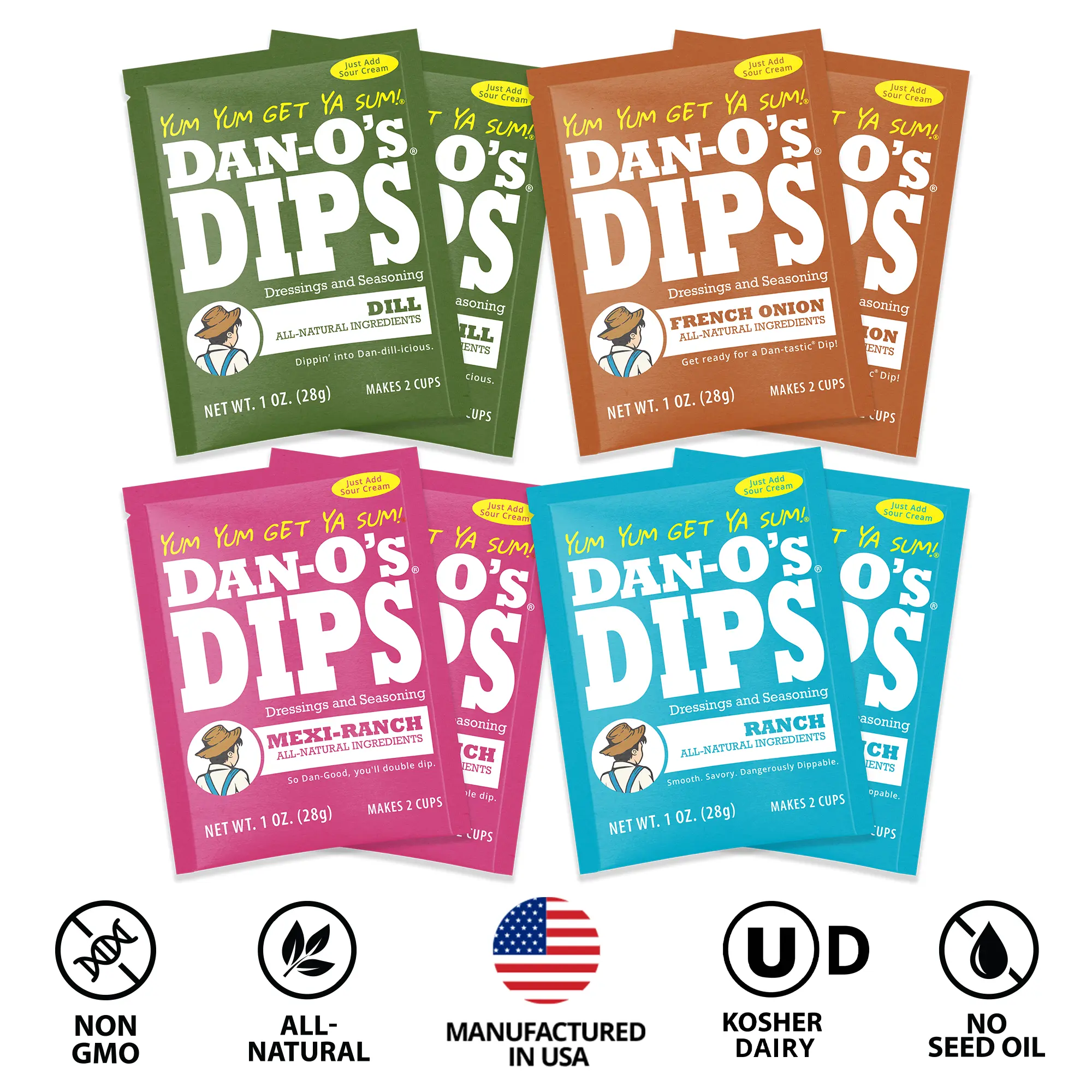






4.8
303 sold
-8%$12.89$14.00


3.3
461 sold
-8%$12.89$14.00


Related Searches
Related Categories
Introduction
Laurel seasoning, commonly referred to as bay leaf, is a staple in many kitchens around the world. This versatile herb is known for its unique flavor, which adds depth and complexity to a variety of dishes. When using laurel seasoning, it's important to remember that the leaves are typically used whole and removed before serving, as they can be tough and not pleasant to eat. Bay leaves can be added to soups, stews, and braises, allowing their flavor to infuse into the dish during the cooking process.
Here are some key points about laurel seasoning:
Here are some key points about laurel seasoning:
- Flavor Profile: Laurel seasoning has a slightly floral and herbal flavor, making it an excellent addition to savory dishes.
- Usage: It is commonly used in Mediterranean and Indian cuisines, enhancing the taste of curries, rice dishes, and marinades.
- Health Benefits: Bay leaves are known for their potential health benefits, including aiding digestion and possessing anti-inflammatory properties.
- Storage: To maintain freshness, store laurel seasoning in a cool, dry place, away from direct sunlight.