knife review
A knife review provides insights and evaluations of various kitchen knives, helping consumers make informed purchasing decisions based on performance, quality, and usability.
Featured brands
Authenticated productsVerified shops

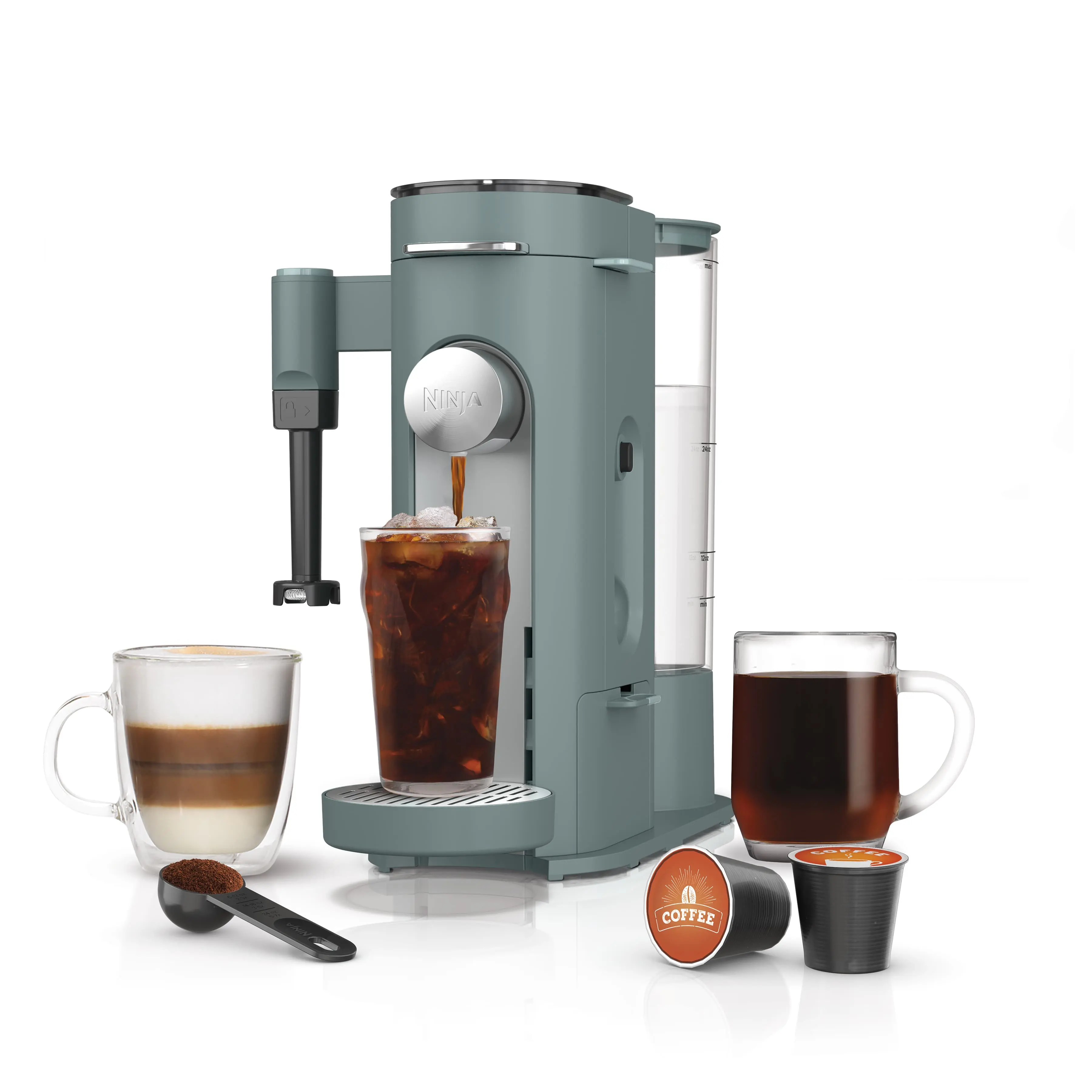
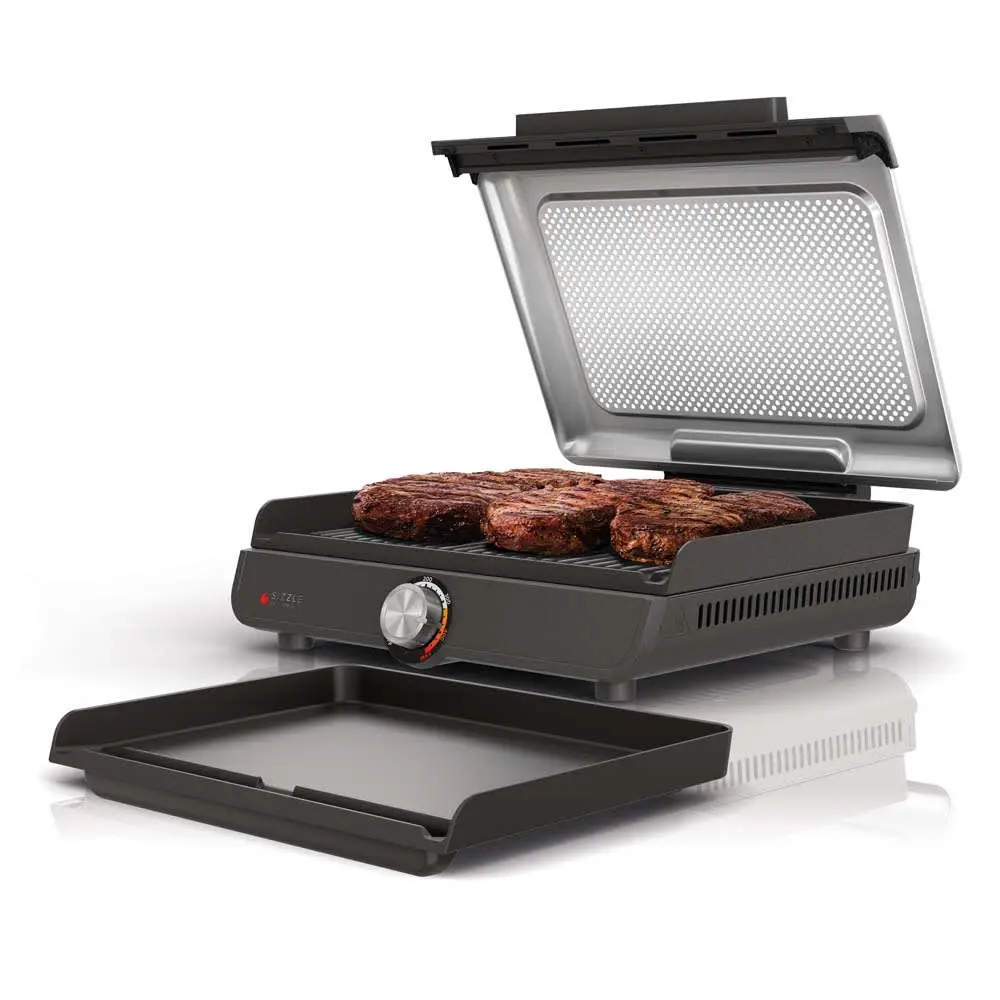
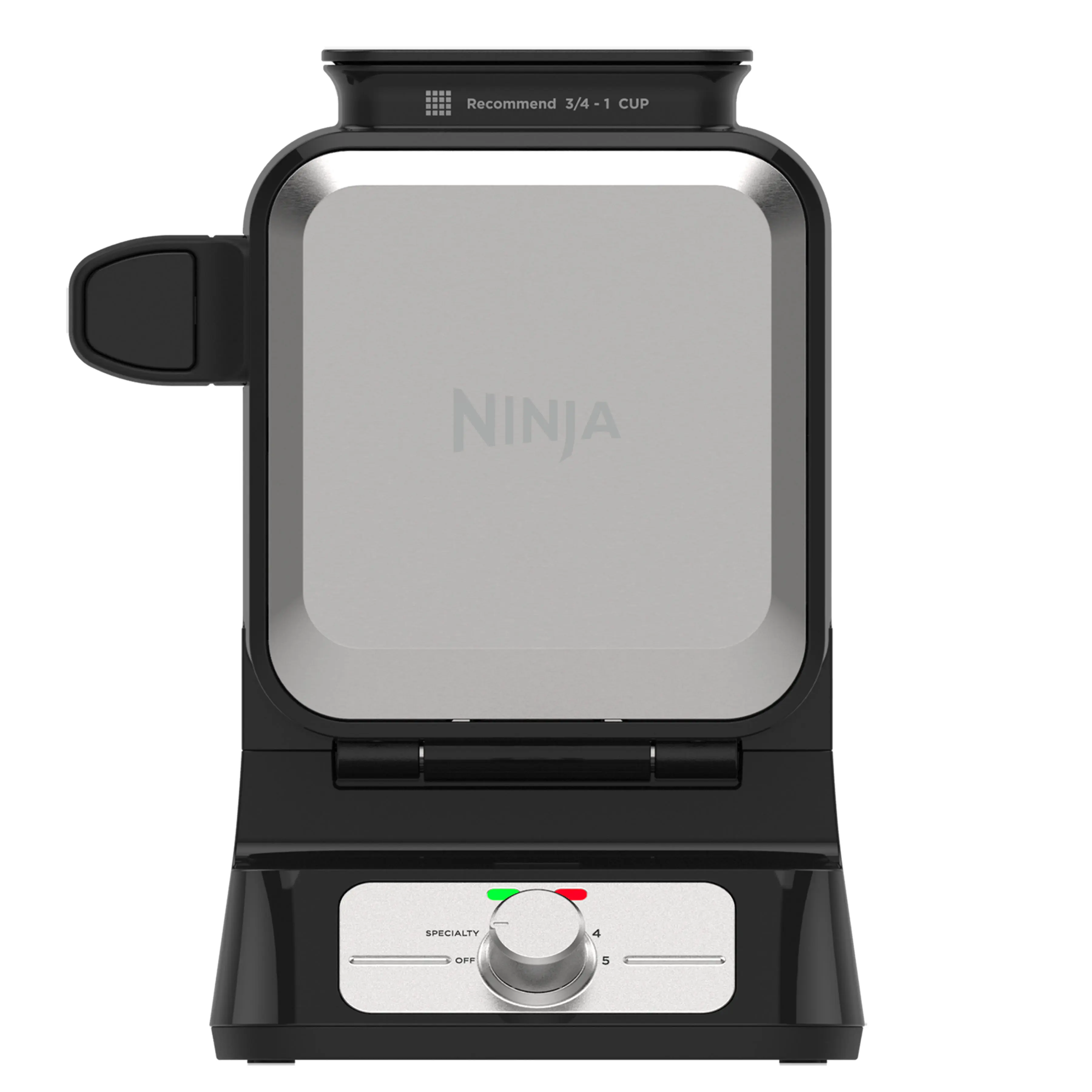
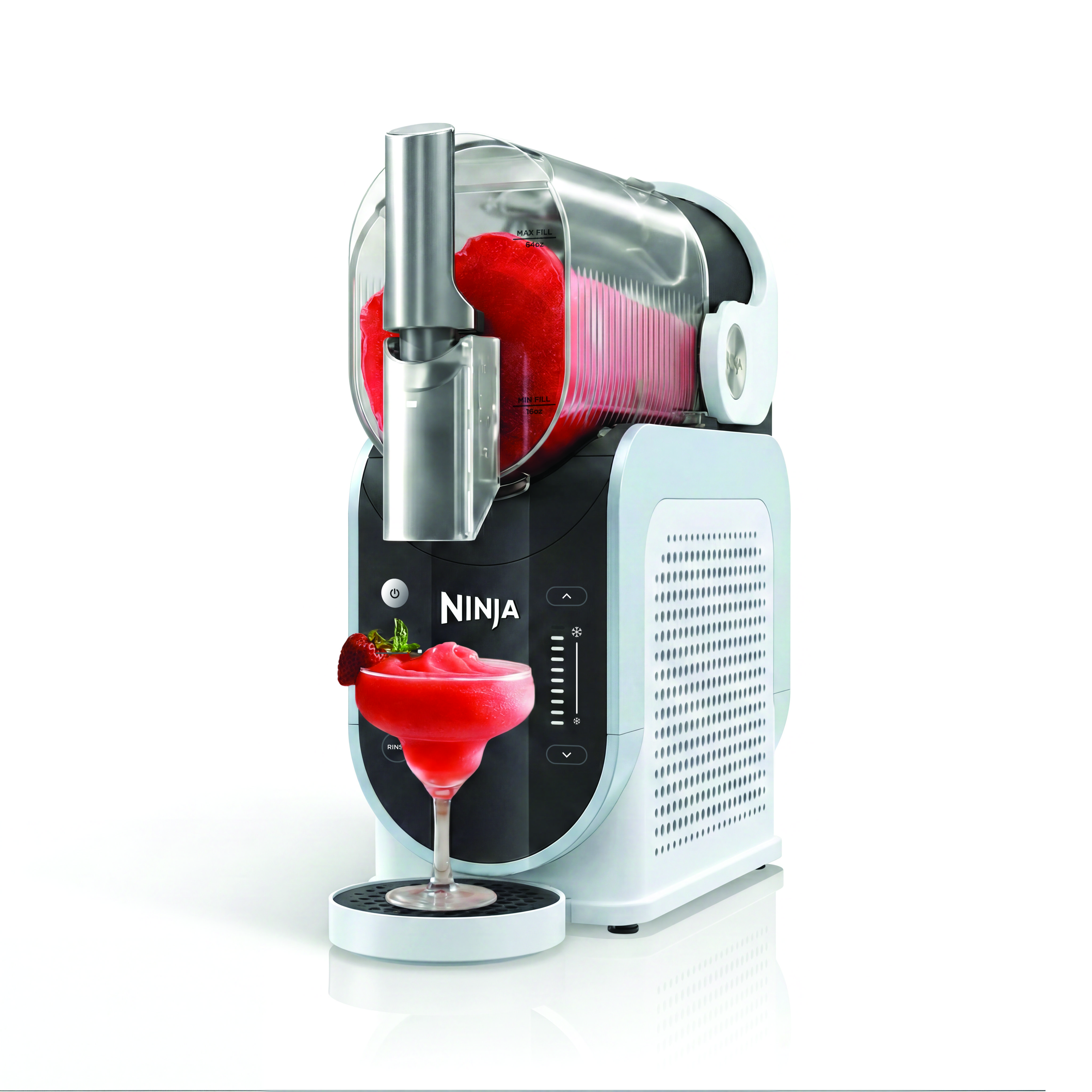



Ninja Kitchen US

4.8
2.3K sold
$259.99


No more products
Related Searches
Related Categories
Introduction
When it comes to culinary tools, kitchen knives are essential for any home chef. A knife review is crucial for understanding the features, benefits, and drawbacks of different kitchen knives available on the market. Whether you're a novice cook or an experienced chef, knowing what to look for in a knife can significantly enhance your cooking experience.
Here are some key aspects you might find in a knife review:
By reading comprehensive knife reviews, you can identify the best kitchen knives that suit your cooking style and needs. Look for reviews that include customer feedback and expert opinions to ensure you make a well-informed choice. Remember, investing in a good kitchen knife can elevate your culinary skills and make meal preparation more enjoyable.
Here are some key aspects you might find in a knife review:
- Blade Material: The material affects the knife's sharpness, durability, and ease of maintenance. Common materials include stainless steel, carbon steel, and ceramic.
- Handle Comfort: A comfortable handle is vital for prolonged use. Reviews often highlight ergonomic designs that reduce strain during cutting tasks.
- Weight and Balance: The weight and balance of a knife can influence your cutting precision. A well-balanced knife provides better control.
- Price Range: Knife reviews typically discuss various price points, helping you find a knife that fits your budget without compromising on quality.
- Brand Reputation: Established brands often have a history of producing reliable kitchen knives. Reviews often mention brands that are trusted by professional chefs.
By reading comprehensive knife reviews, you can identify the best kitchen knives that suit your cooking style and needs. Look for reviews that include customer feedback and expert opinions to ensure you make a well-informed choice. Remember, investing in a good kitchen knife can elevate your culinary skills and make meal preparation more enjoyable.