Kids walkers
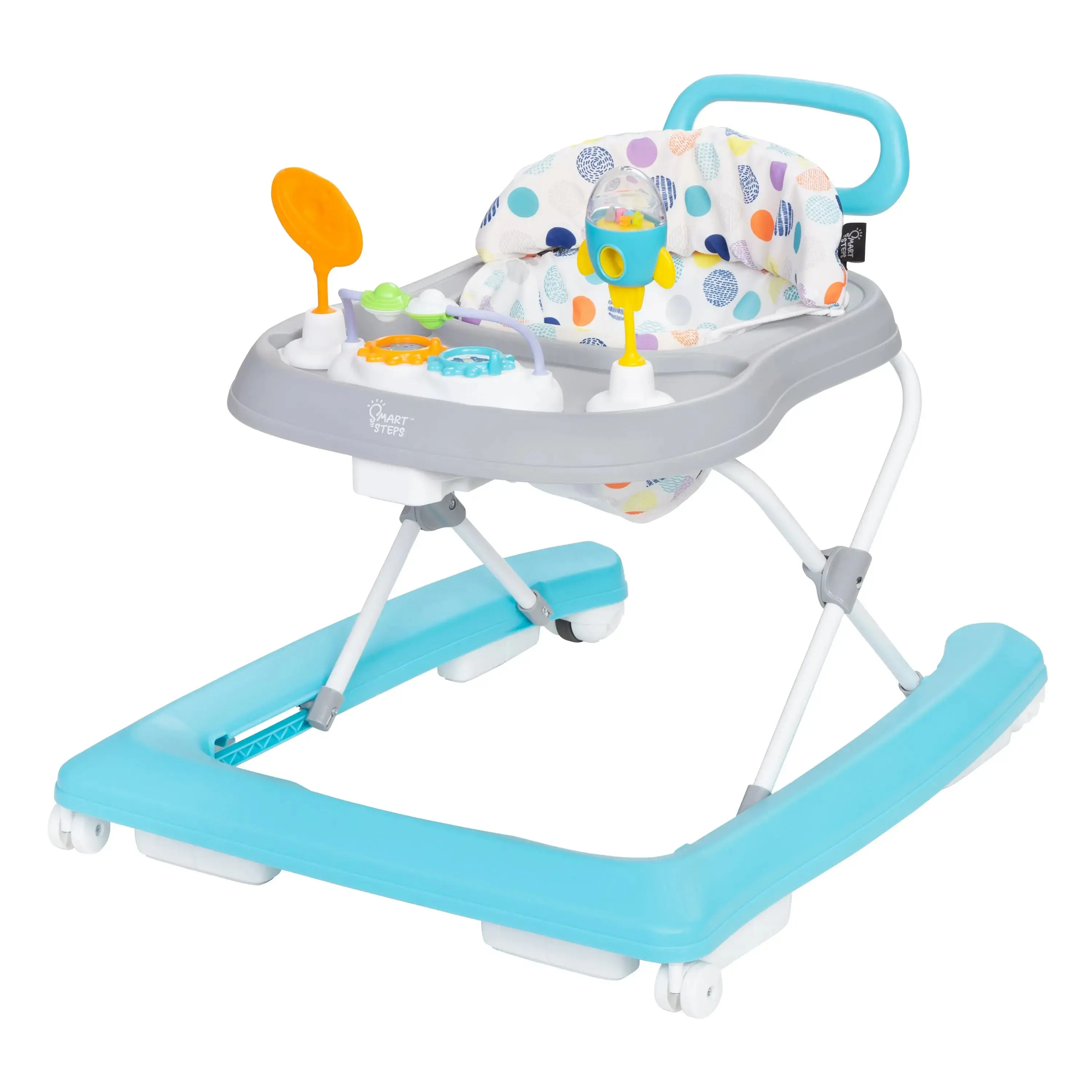
Kids walkers, commonly known as baby walkers, are mobility devices designed to support infants as they learn to walk. They typically feature a seat for the baby to sit in, surrounded by a frame with wheels, allowing for movement while providing safety and stability.
Featured brands
Authenticated productsVerified shops


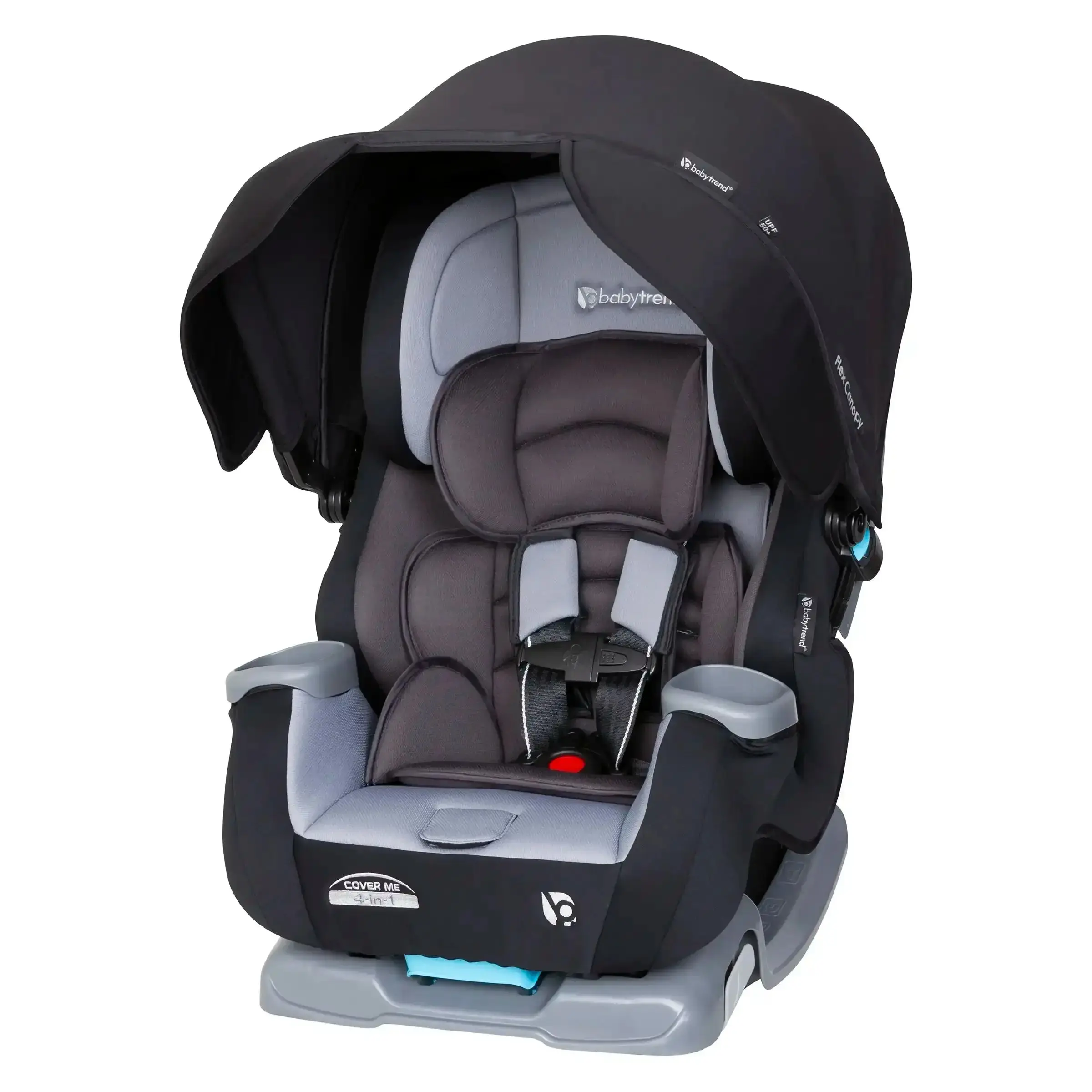
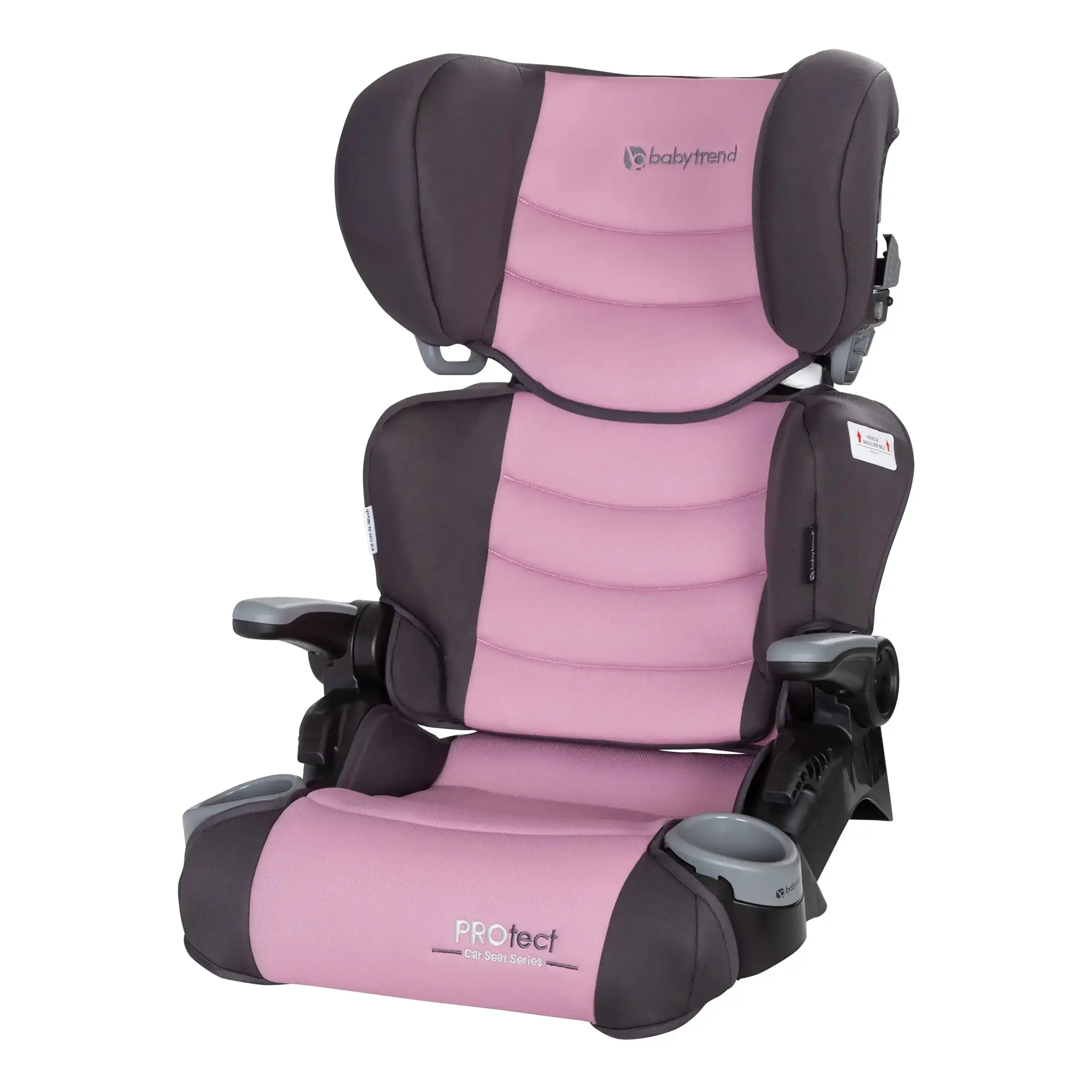
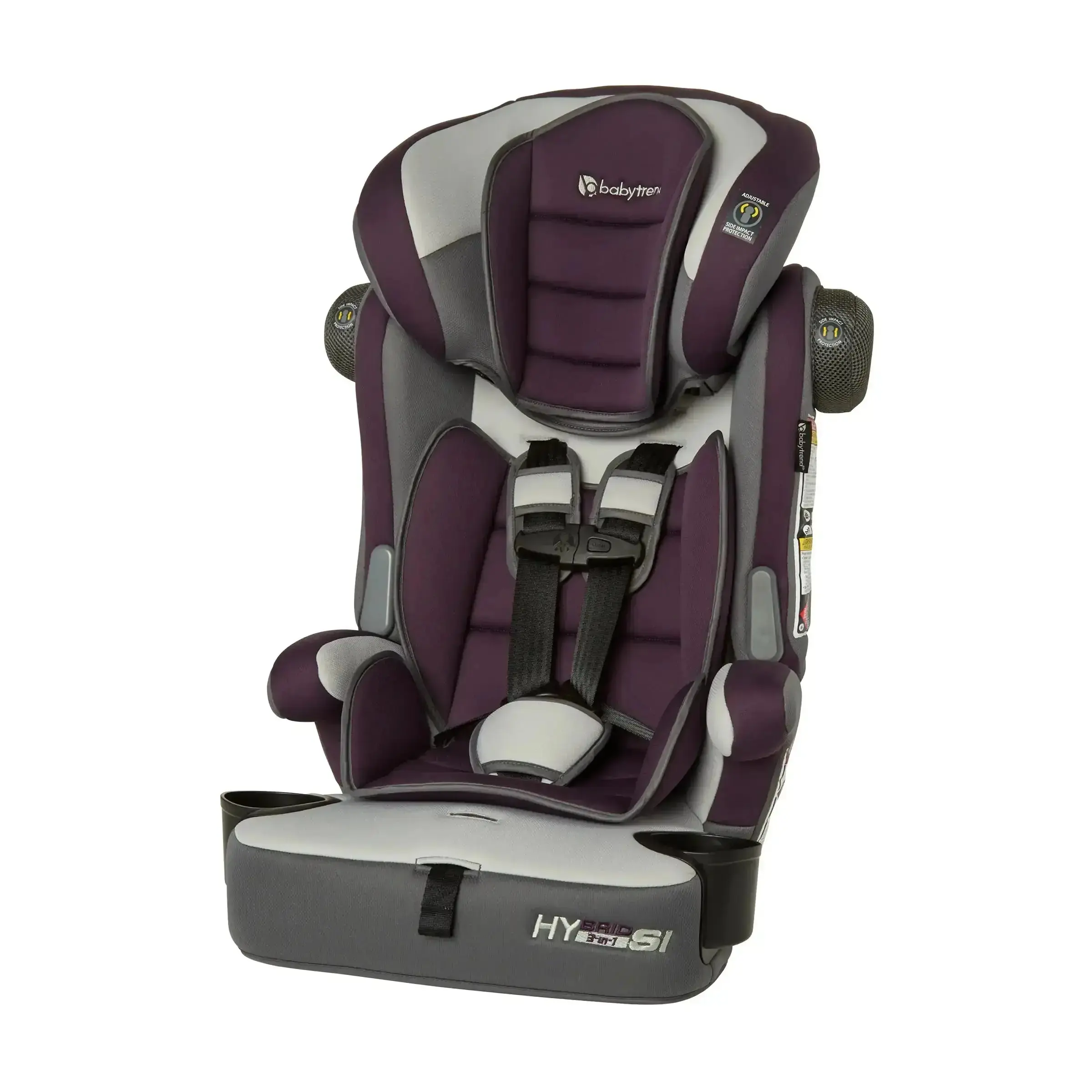

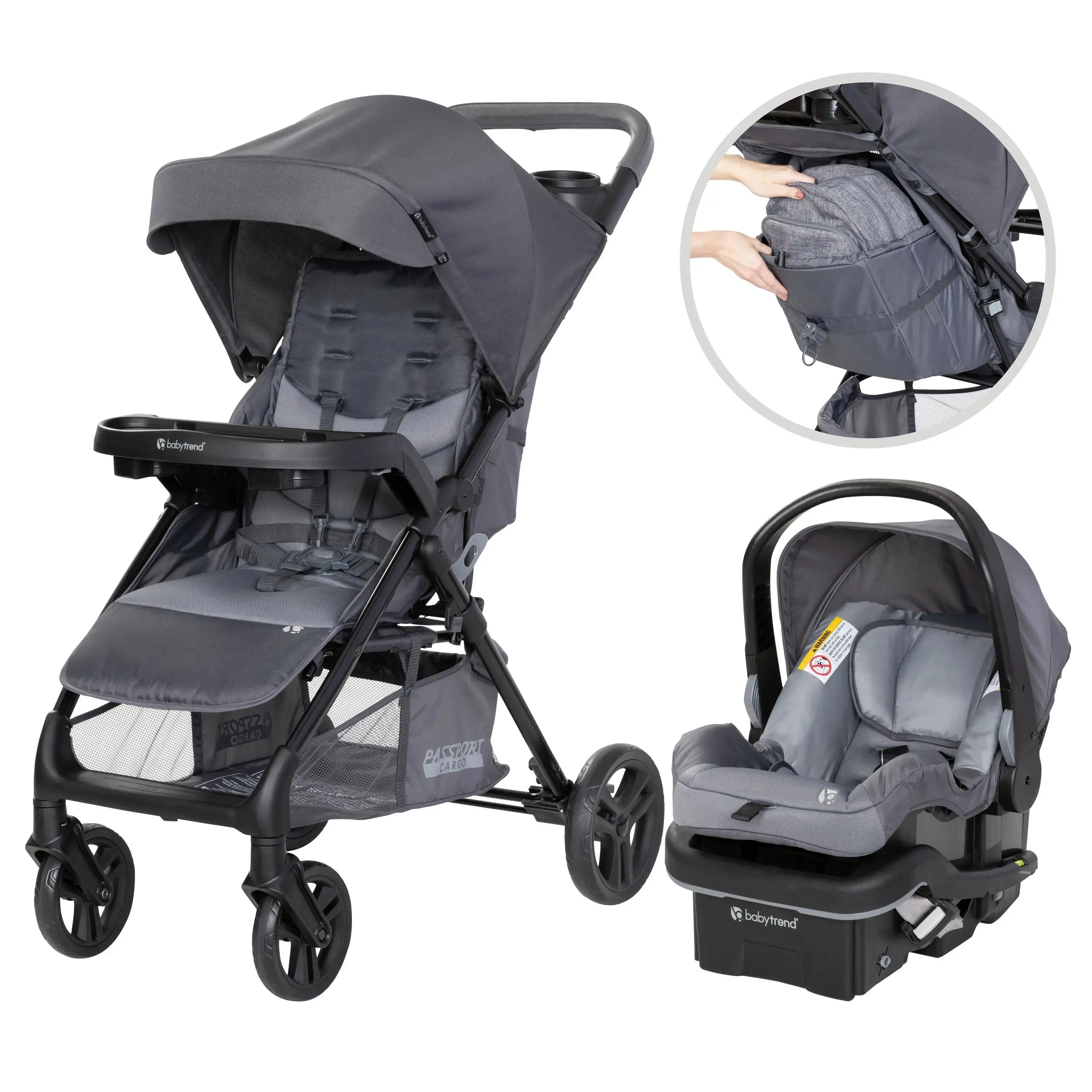


Baby Trend Inc

5.0
5 sold
$69.99

![[Back To School] MOREFEEL Wooden Toddler Push Walker - Adjustable Handle Bar Toddler Walking Helper, Multi-Functional Infant Walker with Rotary Gears, Animals & Mirror Maze for Motor Skill Development, Activity Walker, Unisex](https://p16-oec-general-useast5.ttcdn-us.com/tos-useast5-i-omjb5zjo8w-tx/4fd91cf7fc314406af2561ce54152fd9~tplv-fhlh96nyum-resize-webp:600:600.webp?dr=12190&t=555f072d&ps=933b5bde&shp=8dbd94bf&shcp=a6e80448&idc=useast5&from=2378011839 "[Back To School] MOREFEEL Wooden Toddler Push Walker - Adjustable Handle Bar Toddler Walking Helper, Multi-Functional Infant Walker with Rotary Gears, Animals & Mirror Maze for Motor Skill Development, Activity Walker, Unisex")


![[backtoschool ]HARPPA Compact Ride-On Baby Walker for 6-18 Months Babies, Breathable Foldable Design, 3 Adjustable Heights, Removable Dishwasher-Safe Dining Tray, Easy to Clean, Ride-On Baby Walkers](https://p16-oec-general-useast5.ttcdn-us.com/tos-useast5-i-omjb5zjo8w-tx/801c1e1ac4c94124ae9470401225cd6d~tplv-fhlh96nyum-resize-webp:600:600.webp?dr=12190&t=555f072d&ps=933b5bde&shp=8dbd94bf&shcp=a6e80448&idc=useast5&from=2378011839 "[backtoschool ]HARPPA Compact Ride-On Baby Walker for 6-18 Months Babies, Breathable Foldable Design, 3 Adjustable Heights, Removable Dishwasher-Safe Dining Tray, Easy to Clean, Ride-On Baby Walkers")
Related Searches
Related Categories
Introduction
Baby walkers are an essential tool for many parents looking to assist their infants in the exciting journey of learning to walk. These devices offer a safe and supportive environment for babies, allowing them to explore their surroundings while developing their motor skills. A typical baby walker consists of a sturdy frame, a comfortable seat, and wheels that enable movement. As babies gain confidence, they can practice their walking skills in a controlled manner, promoting physical development.
When choosing a baby walker, consider the following key features:
When choosing a baby walker, consider the following key features:
- Safety: Look for walkers with a broad base to prevent tipping and ensure stability.
- Adjustability: Select models that can be adjusted to accommodate your baby's height as they grow.
- Comfort: Ensure the seat is padded and washable for comfort during use.
- Entertainment: Many walkers come with toys or interactive features to keep your baby engaged.