kabel 16mm2
Kabel 16mm2 refers to a type of electrical cable with a cross-sectional area of 16 square millimeters, commonly used for various electrical installations.
Featured brands
Authenticated productsVerified shops


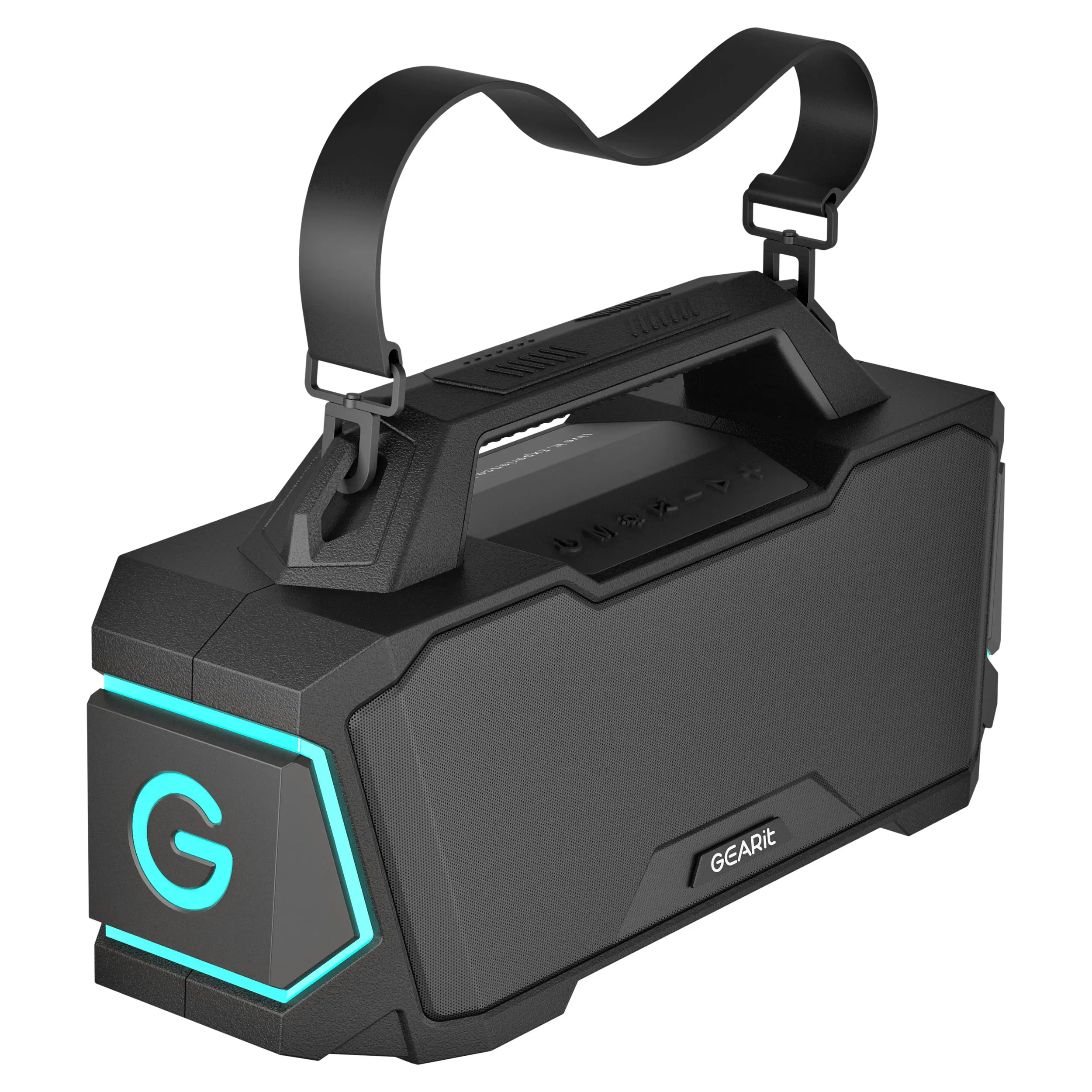



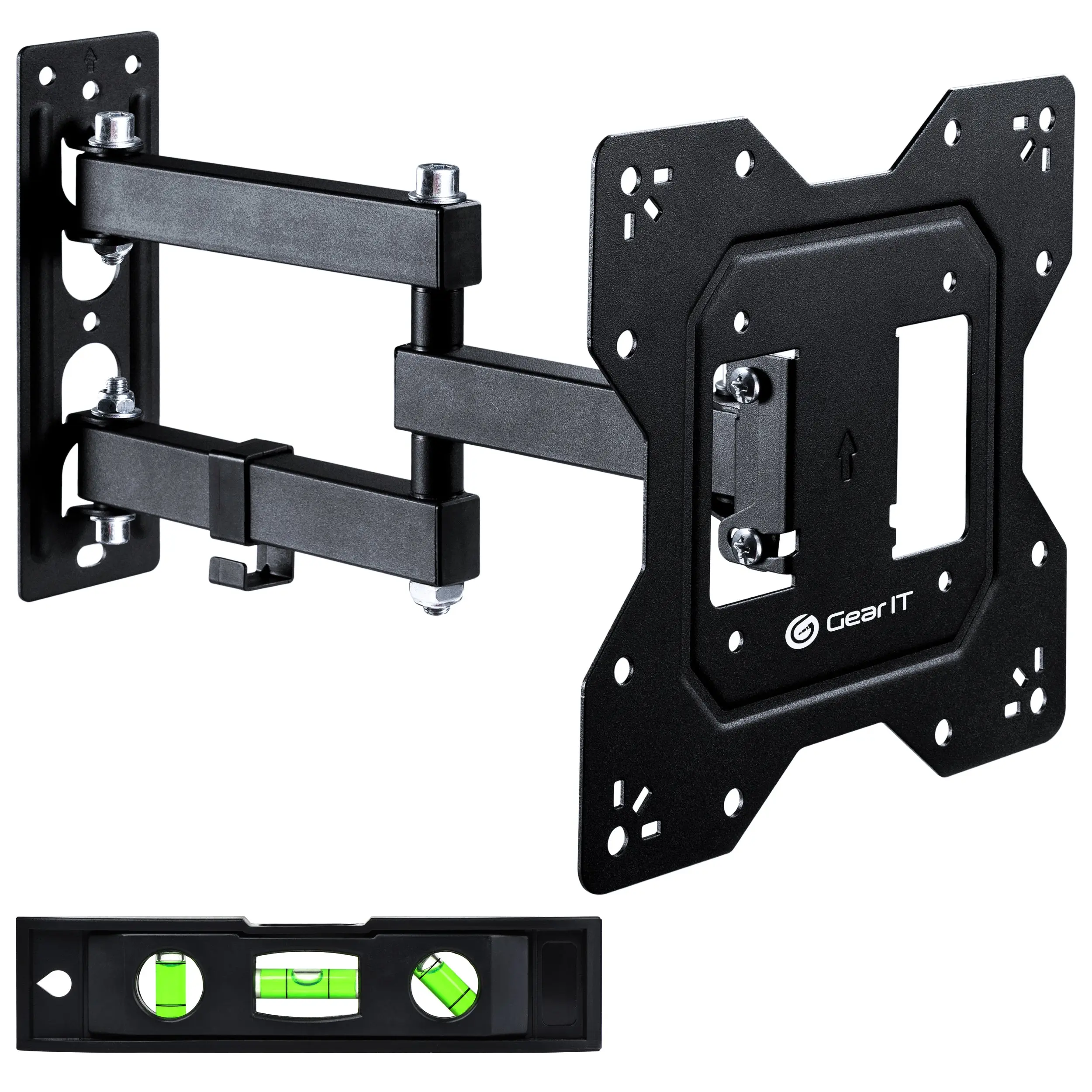

GEARit Official

4.6
175 sold
$40.99


GEARit Official
4.5
47 sold
$41.29


GEARit Official
4.9
109 sold
$31.99


GEARit Official
4.5
6 sold
-30%$29.99$42.99


![Ancor Black 6 AWG Battery Cable - Sold By The Foot [1120-FT]](https://p16-oec-general-useast5.ttcdn-us.com/tos-useast5-i-omjb5zjo8w-tx/38e7c89cdee848adbd72dca5921323bc~tplv-fhlh96nyum-resize-webp:600:600.webp?dr=12190&t=555f072d&ps=933b5bde&shp=8dbd94bf&shcp=a6e80448&idc=useast5&from=2378011839 "Ancor Black 6 AWG Battery Cable - Sold By The Foot [1120-FT]")

GEARit Official
4.6
9 sold
-15%$60.95$71.99


GEARit Official
27 sold
$49.99


Related Searches
Related Categories
Introduction
When it comes to electrical installations, choosing the right cable is crucial for safety and efficiency. Kabel 16mm2 is a popular choice among electricians and DIY enthusiasts alike. This cable is designed to handle significant electrical loads, making it ideal for both residential and commercial applications. Whether you're wiring a new home, upgrading existing circuits, or working on a project that requires reliable power delivery, understanding the benefits of 16mm2 cables is essential.
Here are some key points to consider about Kabel 16mm2:
Here are some key points to consider about Kabel 16mm2:
- High Current Capacity: With a cross-sectional area of 16mm2, this cable can carry substantial current, making it suitable for high-demand appliances and systems.
- Durability: Made from quality materials, Kabel 16mm2 is built to withstand various environmental conditions, ensuring long-lasting performance.
- Versatility: This type of cable can be used in a wide range of applications, from home wiring to industrial settings.
- Safety Standards: Always ensure that the cables meet local electrical safety standards to prevent hazards.