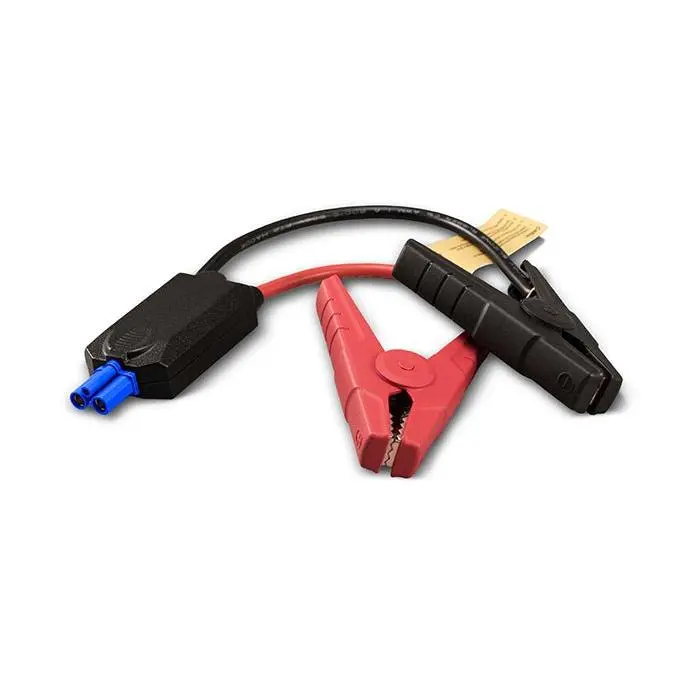
jumpstart battery cable
Jumpstart battery cables are essential tools used to connect a dead battery to a working battery, allowing for a quick start of a vehicle. These cables are designed to transmit electrical current from one battery to another safely.
Featured brands
Authenticated productsVerified shops





Spreetail

4 sold
$39.99


Related Searches
Related Categories
Introduction
Jumpstart battery cables are a vital accessory for any vehicle owner. These cables allow you to jump-start your car when its battery is dead, ensuring you can get back on the road quickly and efficiently. When you find yourself in a situation where your car won't start due to a dead battery, having a reliable set of jumpstart battery cables can make all the difference.
Here are some key points to consider when using jumpstart battery cables:
Using jumpstart battery cables is straightforward: connect the red clamp to the positive terminal of the dead battery, then connect the other red clamp to the positive terminal of the working battery. Next, connect the black clamp to the negative terminal of the working battery and the other black clamp to a grounded metal surface on the dead vehicle. This method prevents sparks near the battery.
With proven quality and customer approval, jumpstart battery cables are a must-have in your car repair tools kit. Regularly check your cables for wear and tear to ensure they are always ready for use. Whether you’re a seasoned mechanic or a casual driver, having jumpstart battery cables handy can save you time and hassle on the road.
Here are some key points to consider when using jumpstart battery cables:
- Compatibility: Ensure that the cables are compatible with your vehicle's battery size and type.
- Gauge: Look for cables with a lower gauge number, as they are thicker and can carry more current.
- Length: Longer cables provide more flexibility when connecting to another vehicle.
- Clamps: Quality clamps ensure a secure connection to the battery terminals.
Using jumpstart battery cables is straightforward: connect the red clamp to the positive terminal of the dead battery, then connect the other red clamp to the positive terminal of the working battery. Next, connect the black clamp to the negative terminal of the working battery and the other black clamp to a grounded metal surface on the dead vehicle. This method prevents sparks near the battery.
With proven quality and customer approval, jumpstart battery cables are a must-have in your car repair tools kit. Regularly check your cables for wear and tear to ensure they are always ready for use. Whether you’re a seasoned mechanic or a casual driver, having jumpstart battery cables handy can save you time and hassle on the road.