Japanese facemask
Japanese facemasks are specialized masks designed to cover the nose and mouth, often used for protection against pollutants, allergens, and respiratory issues. They are known for their unique designs and high-quality materials.
Featured brands
Authenticated productsVerified shops







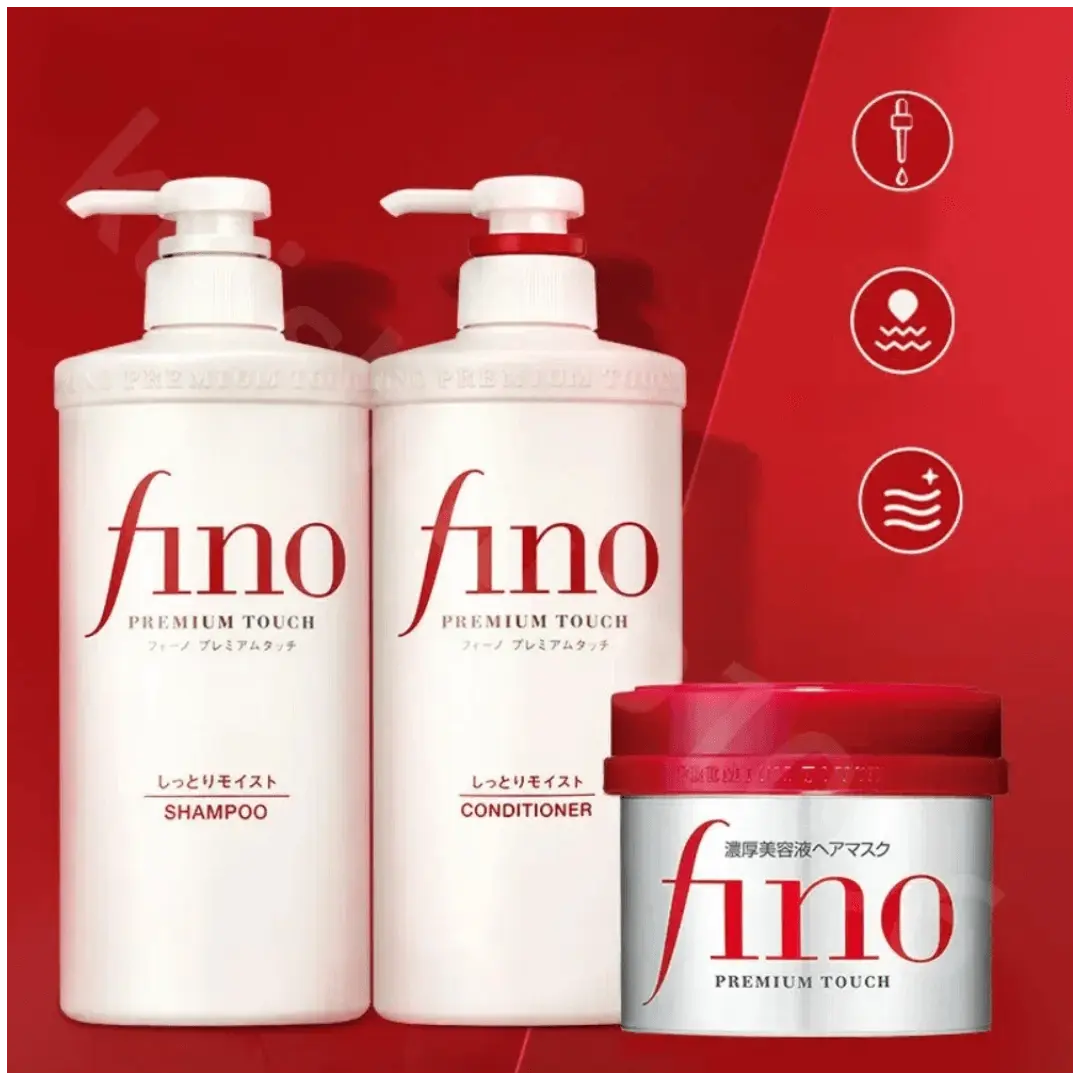
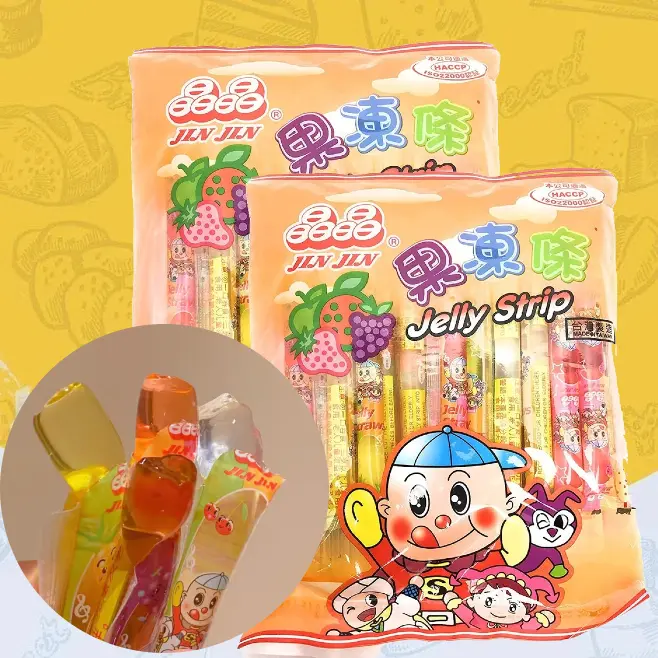

Yami. Best of Asia

5.0
13 sold
$22.79

5.0
37 sold
-20%$19.99$24.99

Weee Asian Supermarket
$29.89


Yami. Best of Asia
4.4
135 sold
$29.79


![[VT COSMETICS] #1 viral Daily Face Mask 30 Sheets with Collagen, PDRN, CICA, Retinol, TXA, Centella Asiatica & Hyaluronic Acid | Hydrate, Moisture, Moisturize, Calm, Glow & Skin Softening | Korean Skincare Sheet Mask](https://p16-oec-general-useast5.ttcdn-us.com/tos-useast5-i-omjb5zjo8w-tx/1d08bd6b11094717b15f70aacf88d5be~tplv-fhlh96nyum-resize-webp:600:600.webp?dr=12190&t=555f072d&ps=933b5bde&shp=8dbd94bf&shcp=a6e80448&idc=useast5&from=2378011839 "[VT COSMETICS] #1 viral Daily Face Mask 30 Sheets with Collagen, PDRN, CICA, Retinol, TXA, Centella Asiatica & Hyaluronic Acid | Hydrate, Moisture, Moisturize, Calm, Glow & Skin Softening | Korean Skincare Sheet Mask")


![[Torriden Official] DIVE IN Hyaluronic Acid Facial Mask (10 Sheets) | Gentle Hydration Sheet Mask for Glowing Skin, Extra Moisturizing Daily Care](https://p16-oec-general-useast5.ttcdn-us.com/tos-useast5-i-omjb5zjo8w-tx/2a522b00724b46cda96706efa1c912e8~tplv-fhlh96nyum-resize-webp:600:600.webp?dr=12190&t=555f072d&ps=933b5bde&shp=8dbd94bf&shcp=a6e80448&idc=useast5&from=2378011839 "[Torriden Official] DIVE IN Hyaluronic Acid Facial Mask (10 Sheets) | Gentle Hydration Sheet Mask for Glowing Skin, Extra Moisturizing Daily Care")
Torriden US
4.9
792 sold
-5%$31.35$33.00

![[Biodance Official] #1 Viral OG Hydrogel Face Mask | Pore Care & Hydrating | Collagen Real Deep Mask for Pores, Caviar PDRN for Glow, Cera-nol for Calming, Sea Kelp for Oil-Control, Glowing Skin | Overnight Sheet Mask](https://p16-oec-general-useast8.ttcdn-us.com/tos-useast8-i-rt0ujvrtvp-tx2/8d95d3659ff34b1eac8a352731a4c23b~tplv-fhlh96nyum-resize-webp:600:600.webp?dr=12190&t=555f072d&ps=933b5bde&shp=8dbd94bf&shcp=a6e80448&idc=useast5&from=2378011839 "[Biodance Official] #1 Viral OG Hydrogel Face Mask | Pore Care & Hydrating | Collagen Real Deep Mask for Pores, Caviar PDRN for Glow, Cera-nol for Calming, Sea Kelp for Oil-Control, Glowing Skin | Overnight Sheet Mask")

Weee Asian Supermarket
4.9
665 sold
$19.56

![[Biodance Official] Maskholic Gift Bundle | Collagen, PDRN, Ceranol, Seakelp (4*4, 16ea) Hydro-gel K-beauty Essential Sleeping Mask,Firming, Pore Tightening, Glass Skin, Elasticity, Korean Skincare, TikTok Exclusive Bundle Moisture Hydrate](https://p16-oec-general-useast8.ttcdn-us.com/tos-useast8-i-rt0ujvrtvp-tx2/27a259fee9fd4d44af9dfb41a887faa9~tplv-fhlh96nyum-resize-webp:600:600.webp?dr=12190&t=555f072d&ps=933b5bde&shp=8dbd94bf&shcp=a6e80448&idc=useast5&from=2378011839 "[Biodance Official] Maskholic Gift Bundle | Collagen, PDRN, Ceranol, Seakelp (4*4, 16ea) Hydro-gel K-beauty Essential Sleeping Mask,Firming, Pore Tightening, Glass Skin, Elasticity, Korean Skincare, TikTok Exclusive Bundle Moisture Hydrate")
![[COSRX Official] PDRN-Exosome Skinplaning Glaze Mask (50ml) with Silicone Brush, Intensive Collagen Peel Mask for Smooth Skin Repair, Restore Radiance, Moisture, Beauty Products, Glowup, Radiant Skin, Night Routine, Face Masks](https://p16-oec-general-useast5.ttcdn-us.com/tos-useast5-i-omjb5zjo8w-tx/58f22b53cd4240eebfa9a338578bba8a~tplv-fhlh96nyum-resize-webp:600:600.webp?dr=12190&t=555f072d&ps=933b5bde&shp=8dbd94bf&shcp=a6e80448&idc=useast5&from=2378011839 "[COSRX Official] PDRN-Exosome Skinplaning Glaze Mask (50ml) with Silicone Brush, Intensive Collagen Peel Mask for Smooth Skin Repair, Restore Radiance, Moisture, Beauty Products, Glowup, Radiant Skin, Night Routine, Face Masks")


Related Searches
Related Categories
Introduction
Japanese facemasks have gained immense popularity not just in Japan but around the world, especially in the realm of respiratory aids and accessories. These masks are crafted with precision, providing an effective barrier against dust, pollen, and other airborne particles. With a focus on comfort and functionality, Japanese facemasks are made from breathable materials that ensure ease of use for extended periods.
The unique designs often reflect cultural aesthetics, making them a fashionable choice for many users. Here are some key points to consider when exploring Japanese facemasks:
The unique designs often reflect cultural aesthetics, making them a fashionable choice for many users. Here are some key points to consider when exploring Japanese facemasks:
- Quality Materials: Many Japanese facemasks are made from high-quality, hypoallergenic fabrics that are gentle on the skin.
- Effective Filtration: These masks often feature multiple layers that enhance filtration efficiency, ensuring better protection.
- Comfort Fit: Ergonomically designed to fit snugly, they prevent slipping and provide a secure feel.
- Variety of Styles: Available in various colors and patterns, Japanese facemasks can suit different personal styles and preferences.