Results for "italian traditional costume"
Italian traditional costume refers to the distinctive clothing styles that represent various regions of Italy, showcasing cultural heritage and historical significance.


-41%$56.27$95.67
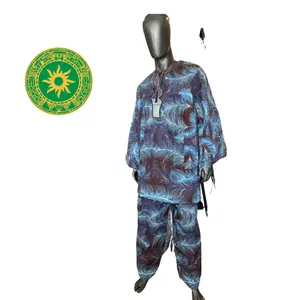
-9%$49.78$54.52

-70%$37.96$126.50


$202.56


$35.64


$95.00


Related Searches
Related Categories
Introduction
Italian traditional costumes are a vibrant expression of the country's rich cultural heritage, reflecting the diverse history and customs of its various regions. Each region boasts unique styles, colors, and fabrics that tell stories of local traditions and craftsmanship. From the elaborate dresses of the Venetian Carnival to the simple yet elegant attire of rural areas, these costumes play a significant role in festivals, celebrations, and cultural events.
When exploring Italian traditional costumes, consider the following aspects:
Italian traditional costumes not only represent a visual feast but also serve as a reminder of the country's rich history and the importance of preserving cultural identities. Whether you are attending a festival or simply exploring Italian heritage, these costumes offer a fascinating glimpse into the past, making them a cherished aspect of Italy's cultural landscape.
When exploring Italian traditional costumes, consider the following aspects:
- Regional Variations: Each region in Italy has its distinct style, influenced by local history, geography, and climate.
- Materials Used: Traditional costumes often use high-quality fabrics such as silk, wool, and linen, showcasing the artisanal skills of local craftsmen.
- Accessories: Costumes are frequently complemented with traditional accessories, including hats, jewelry, and shoes, which enhance their overall appeal.
- Occasions for Wear: These costumes are typically worn during festivals, parades, and cultural events, allowing wearers to celebrate their heritage.
- Modern Adaptations: While traditional costumes maintain their historical roots, many contemporary designers incorporate elements into modern fashion, keeping the spirit alive.
Italian traditional costumes not only represent a visual feast but also serve as a reminder of the country's rich history and the importance of preserving cultural identities. Whether you are attending a festival or simply exploring Italian heritage, these costumes offer a fascinating glimpse into the past, making them a cherished aspect of Italy's cultural landscape.