Internal Deodorant

Odor-control deodorants and related listings people open when they search internal deodorant.

Featured brands
Authenticated productsVerified shops

Introduction

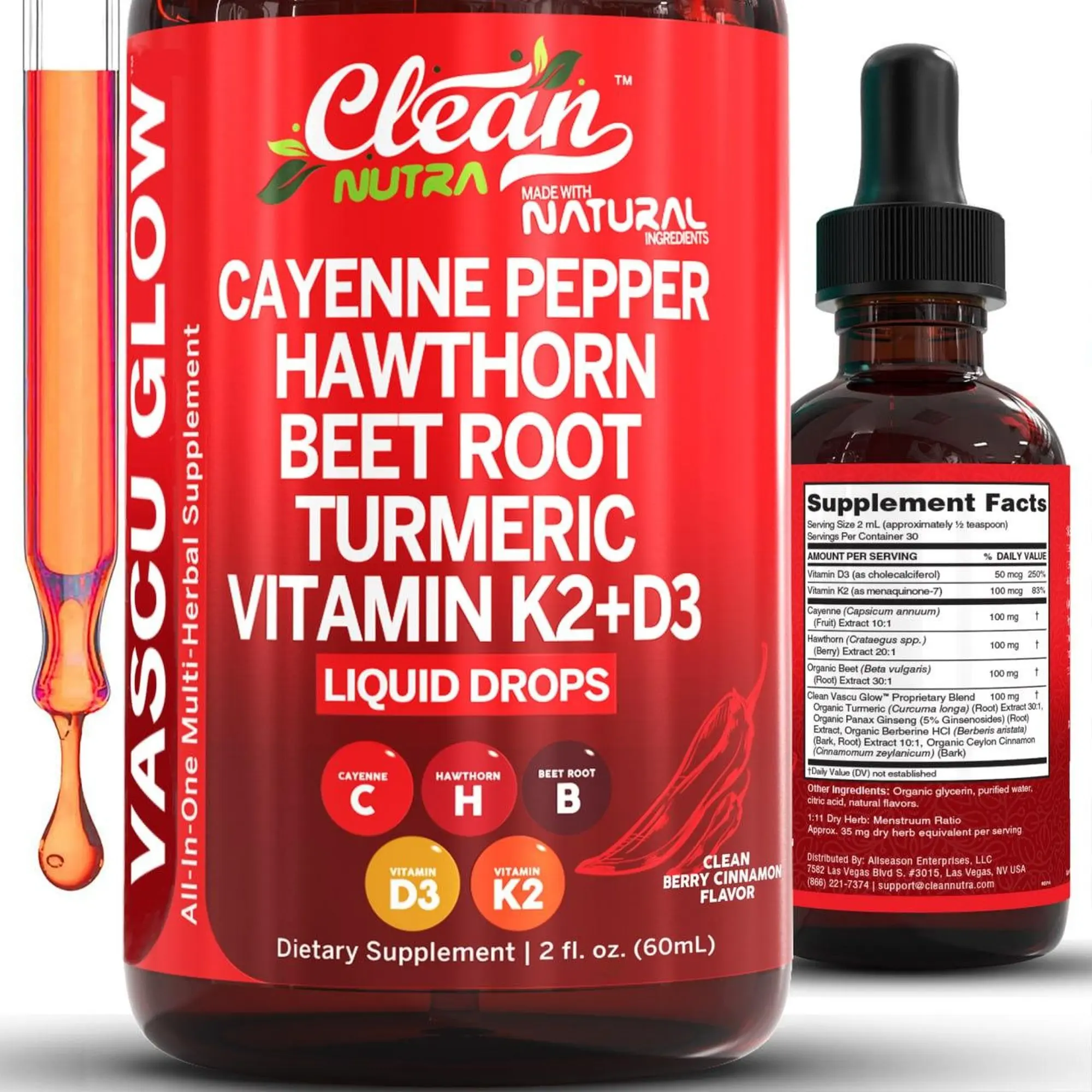
Internal deodorant is a shopper phrase for odor control that may mean a swallowable chlorophyll-style capsule on one listing or a regular underarm stick on another, so you have to read the format first.

  • Identify whether the product is a stick, cream, wipe, or capsule, because use and ingredients are not interchangeable.
  • Scan the ingredient panel for fragrance, aluminum salts, or plant extracts you already know you react to.
  • Ignore disease-cure language; listings can only describe odor masking or wetness control, not medical results.

Stay inside Deodorants & Antiperspirants and compare applicator type plus stated skin area before you add a bottle to a cart.

FAQs

Not always. Some results are capsules marketed for body odor, while others are ordinary sticks or gels. Read the directions for swallow versus apply. If you only want underarm wetness control, choose a clearly labeled antiperspirant stick.

A capsule does not coat the underarm. Many shoppers still use a topical product for sweat marks. Treat any ingestible listing as a separate item, and stop if the label conflicts with other products you already take.

For topicals, look at aluminum compounds, alcohol, and fragrance allergens. For capsules, read the serving size and any chlorophyll or herbal blend names. Cross-check anything you have reacted to before, using the on-pack list only.

Shopping copy cannot diagnose or treat a health condition. Persistent odor with other symptoms belongs with a clinician, not a stick or capsule page. Use listings only to compare format, scent, and stated cosmetic use.

Match the body area named on the label, the texture, and whether it claims odor masking only or wetness reduction. Check net weight so a tiny travel stick is not treated as a full-size swap. Keep the first use on a small skin patch.