infant feeders
Infant feeders are specially designed utensils and tools that help babies transition to solid foods, making mealtime easier and more enjoyable for both parents and infants.
Featured brands
Authenticated productsVerified shops


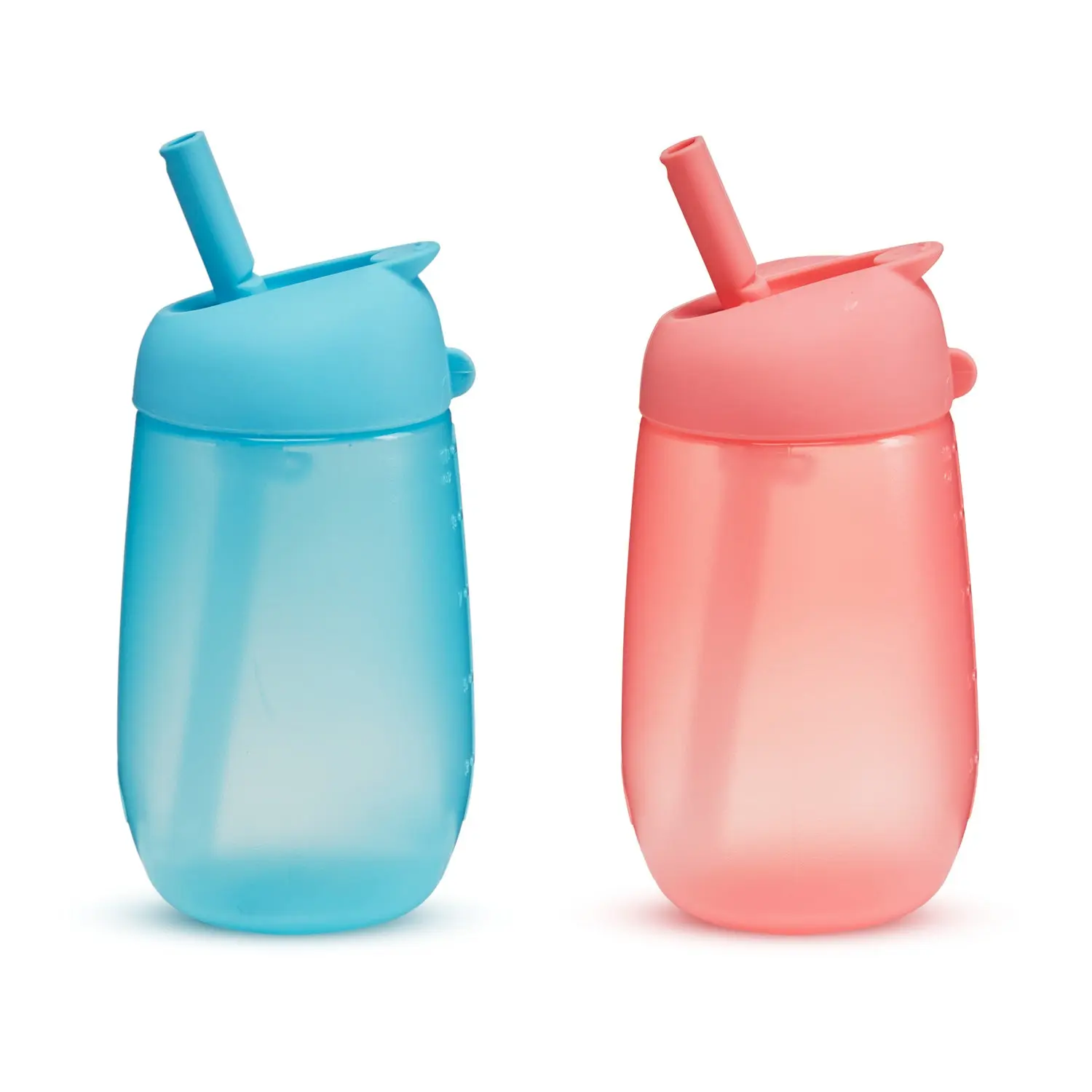
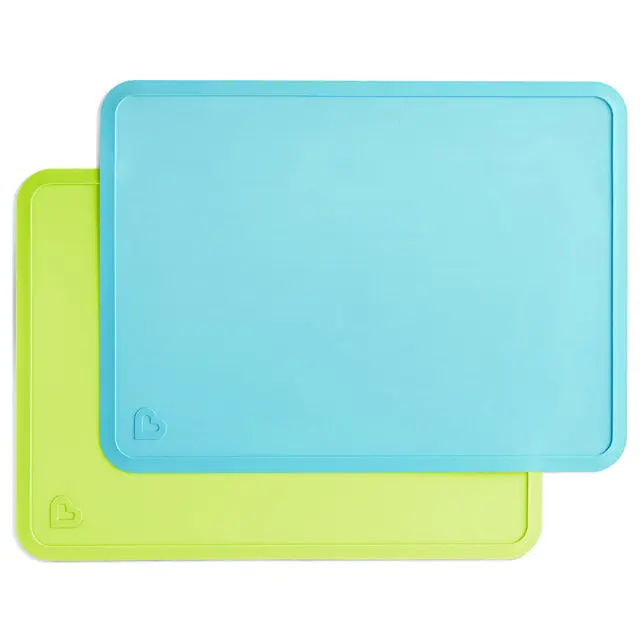

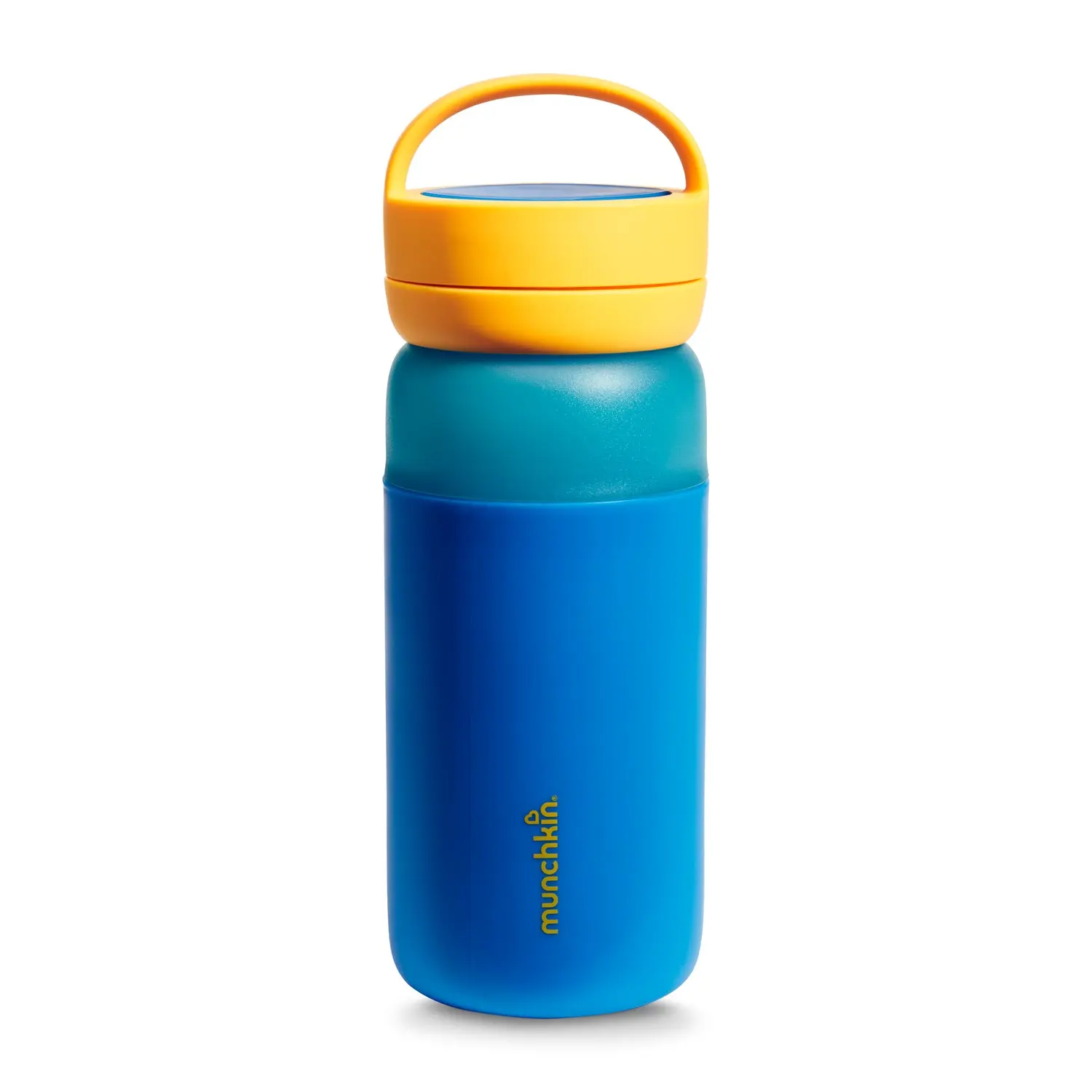

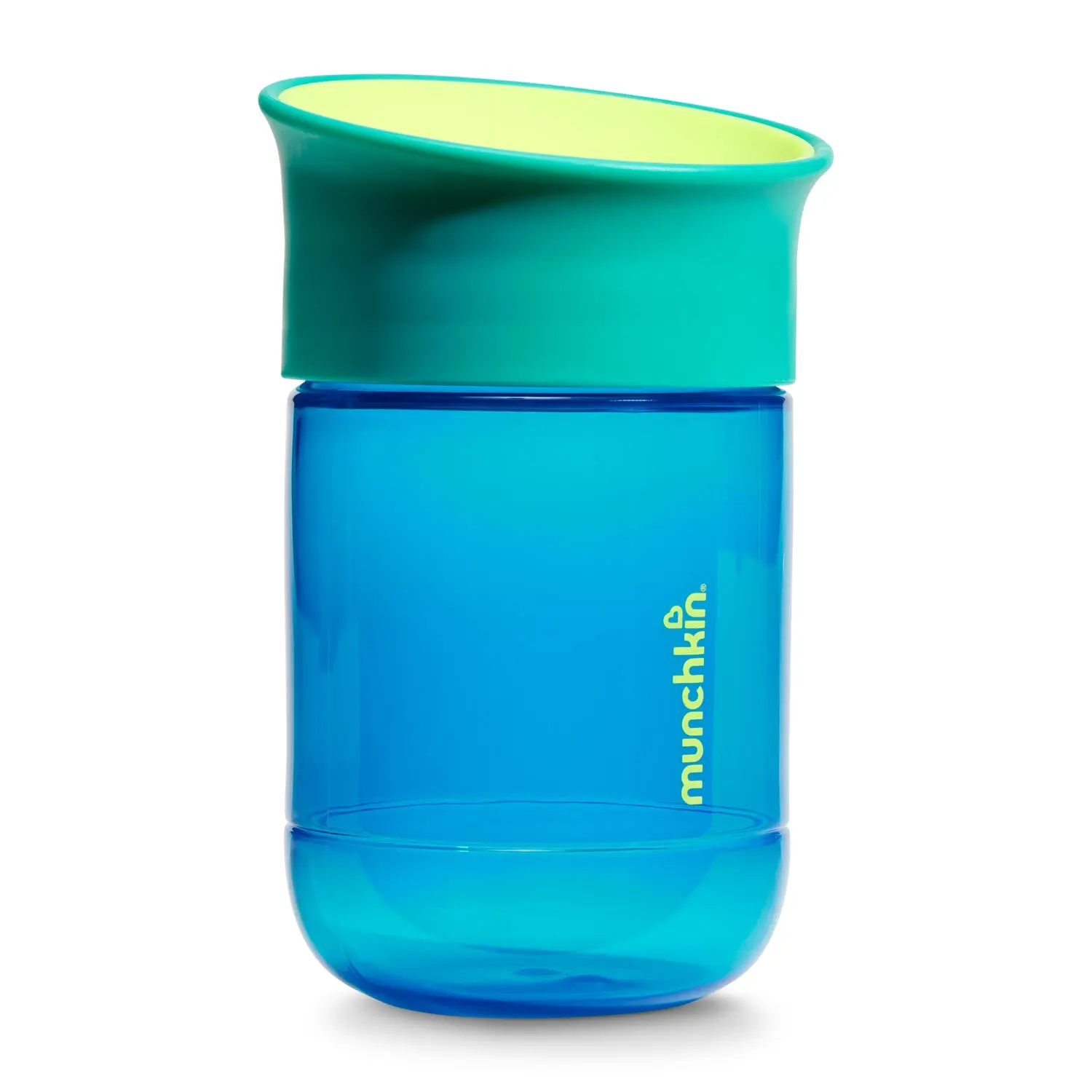


frida

4.7
856 sold

$19.99


Related Searches
Related Categories
Introduction
Introducing infant feeders can significantly enhance your baby's feeding experience as they transition from milk to solid foods. Infant feeders are essential tools that not only promote independence but also ensure safety during mealtime. These feeders come in various forms, including mesh feeders, silicone spoons, and soft-tip utensils, each designed to cater to the unique needs of infants.
When selecting the right infant feeder, consider the following:
Infant feeders not only help in introducing new textures and flavors but also allow your child to explore self-feeding at their own pace. They are designed to minimize mess and reduce the risk of choking, giving parents peace of mind. Trusted by thousands of parents, these feeders are proven quality tools that support healthy eating habits from a young age.
Regularly updating your knowledge about the latest trends in infant feeding can help you make informed choices. Whether you are looking for a simple spoon or a more complex feeder, there are plenty of options available that cater to your baby's needs.
When selecting the right infant feeder, consider the following:
- Material: Look for BPA-free, non-toxic materials that are safe for your baby.
- Ease of Cleaning: Choose feeders that are dishwasher safe or easy to clean by hand.
- Age Appropriateness: Ensure the feeder is suitable for your baby's age and developmental stage.
- Comfort: Opt for ergonomic designs that are comfortable for little hands to hold.
Infant feeders not only help in introducing new textures and flavors but also allow your child to explore self-feeding at their own pace. They are designed to minimize mess and reduce the risk of choking, giving parents peace of mind. Trusted by thousands of parents, these feeders are proven quality tools that support healthy eating habits from a young age.
Regularly updating your knowledge about the latest trends in infant feeding can help you make informed choices. Whether you are looking for a simple spoon or a more complex feeder, there are plenty of options available that cater to your baby's needs.