Results for "im meme"
A meme is a humorous image, video, or piece of text that is copied and spread rapidly by internet users, often with slight variations.


$35.00
$10.50
-10%$17.99$19.99


$50.00


$47.00


$14.99


$15.00

-20%$31.99$39.99


$30.00

$20.00


$25.00


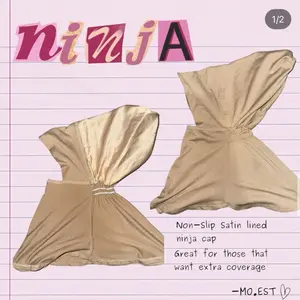
$8.00
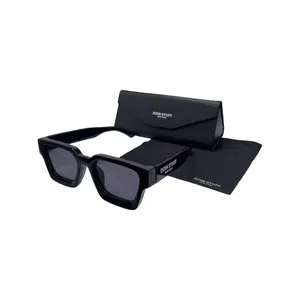
$39.99
Related Searches
Related Categories
Introduction
Memes have become an integral part of online culture, serving as a means of communication and entertainment across various platforms. Many users share memes to express emotions, comment on social issues, or simply to make others laugh. The term 'meme' was coined by Richard Dawkins in 1976, referring to an idea that spreads from person to person within a culture. In today's digital age, memes often take the form of images with captions, GIFs, or short videos that resonate with a wide audience.
Memes can be a powerful tool for engagement, especially on social media, where they can quickly go viral. They often reflect current trends, pop culture references, or relatable situations that many people find amusing. Here are some key aspects of memes:
Memes can be a powerful tool for engagement, especially on social media, where they can quickly go viral. They often reflect current trends, pop culture references, or relatable situations that many people find amusing. Here are some key aspects of memes:
- Creativity: Memes encourage creativity as users modify existing formats to create something new and funny.
- Relatability: Successful memes often tap into shared experiences, making them relatable to a wide audience.
- Virality: Memes can spread rapidly, reaching thousands or even millions of people in a short time.