Results for "hydrogenated soybean oil"
Hydrogenated soybean oil is a type of oil derived from soybeans that has undergone a process called hydrogenation, which converts liquid oils into solid fats. This process enhances the oil's shelf life and stability for various culinary applications.


Horbaach

3.8
344 sold
-15%$39.11$46.00

Horbaach
5.0
129 sold
-14%$37.69$44.07

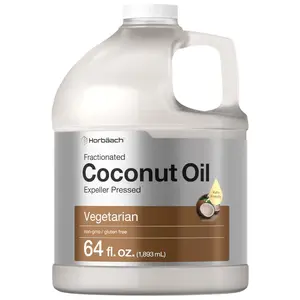
Horbaach
5.0
11 sold
-7%$54.75$59.16


Related Searches
Related Categories
Introduction
Hydrogenated soybean oil is a versatile ingredient that is widely used in the food industry. It is created through the hydrogenation process, which transforms liquid soybean oil into a semi-solid form. This transformation is essential for improving the oil's stability and extending its shelf life, making it a popular choice for many food products.
When you see hydrogenated soybean oil listed in ingredient labels, it is often used in baked goods, margarine, and snack foods. Here are some key points to consider about hydrogenated soybean oil:
For those looking to explore healthier cooking options, consider oils like olive or avocado oil, which provide beneficial nutrients without the drawbacks of hydrogenation. Stay informed and make educated choices about the oils you use in your cooking!
When you see hydrogenated soybean oil listed in ingredient labels, it is often used in baked goods, margarine, and snack foods. Here are some key points to consider about hydrogenated soybean oil:
- Texture and Consistency: The hydrogenation process gives the oil a desirable texture, allowing for a creamy consistency in spreads and dressings.
- Extended Shelf Life: Hydrogenated soybean oil helps prevent spoilage, making it an ideal choice for processed foods.
- Cost-Effective: It is often more affordable than other oils, making it a common choice for manufacturers.
For those looking to explore healthier cooking options, consider oils like olive or avocado oil, which provide beneficial nutrients without the drawbacks of hydrogenation. Stay informed and make educated choices about the oils you use in your cooking!