Results for "hue palette"
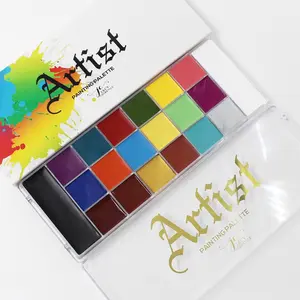
A hue palette is a collection of colors that are organized based on their visual similarities and relationships. It is often used in design and art to create harmonious color schemes.


-59%$4.14$10.09


![[HERORANGE Eyeshadow Palette] Multi-functional eyeshadow, highlighter, Glitter palette, Shimmer pigment palette, shimmering contouring product for highlighting, sculpting natural glow, perfect for stage performances, parties, music festivals](https://p19-oec-general-useast5.ttcdn-us.com/tos-useast5-i-omjb5zjo8w-tx/3cfcfec1ebc646a8a4f6ac8601105c47~tplv-fhlh96nyum-crop-webp:300:300.webp?dr=12190&t=555f072d&ps=933b5bde&shp=8dbd94bf&shcp=a6e80448&idc=useast5&from=2378011839 "[HERORANGE Eyeshadow Palette] Multi-functional eyeshadow, highlighter, Glitter palette, Shimmer pigment palette, shimmering contouring product for highlighting, sculpting natural glow, perfect for stage performances, parties, music festivals")




Related Searches
Related Categories
Introduction
A hue palette is essential for anyone interested in design, art, or decoration. It serves as a guide to selecting colors that work well together, enhancing the aesthetic appeal of any project. When creating a hue palette, consider the following aspects:
- Color Harmony: Understand how colors interact with each other. Complementary colors, analogous colors, and triadic color schemes can create visually appealing combinations.
- Emotional Impact: Different colors evoke different emotions. For instance, blues can create a sense of calm, while reds can evoke excitement.
- Usage Context: Think about where the colors will be used. Colors that work well in digital design may differ from those effective in interior design.