Results for "how to use socket wrench tutorial"
A socket wrench is a versatile tool designed to tighten or loosen nuts and bolts with ease. It features a ratcheting mechanism and interchangeable sockets for different sizes.


4.1
6.5K sold
-45%$12.28$22.33


Related Searches
Related Categories
Introduction
Using a socket wrench can significantly simplify your tasks when working with nuts and bolts. This tool is essential for both amateur DIY enthusiasts and professional mechanics alike. The socket wrench allows for quick adjustments and is designed to provide a secure grip on fasteners, making it easier to apply the necessary torque without slipping.
Here’s how to effectively use a socket wrench:
Here’s how to effectively use a socket wrench:
- Choose the Right Socket: Select a socket that matches the size of the nut or bolt you are working with. Sockets come in various sizes, so it's crucial to have a set that covers the range of fasteners you typically encounter.
- Attach the Socket: Place the chosen socket onto the end of the wrench until it clicks into place. Ensure it is securely attached to avoid slipping during use.
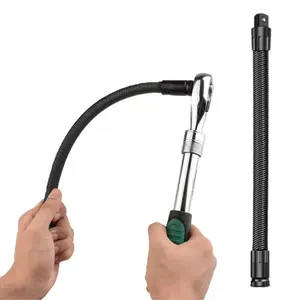
- Position the Wrench: Place the socket over the nut or bolt, ensuring it fits snugly. If you’re working in a tight space, consider using a universal joint socket to access hard-to-reach areas.
- Ratchet Mechanism: Use the ratchet feature by turning the handle in one direction to tighten or loosen the fastener. The ratcheting mechanism allows you to keep the wrench in place while you reposition your hand for additional turns.
- Apply Torque: Use a firm grip and apply steady pressure to ensure the fastener is tightened securely without it.