Results for "how to use paint scraper tool"
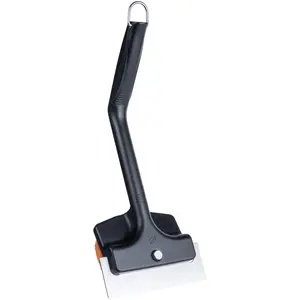
A paint scraper tool is a hand-held device used to remove paint, wallpaper, or other materials from surfaces like walls, wood, or metal. It typically features a flat blade that can efficiently strip away unwanted coatings.


5.0
5 sold
-40%$12.77$21.27


Related Searches
Related Categories
Introduction
Using a paint scraper tool is essential for achieving a smooth, clean surface before repainting or refinishing. Whether you're a DIY enthusiast or a professional painter, mastering the art of using a paint scraper can significantly improve your results. Here’s how to effectively use a paint scraper tool:
- Choose the Right Scraper: Select a scraper that suits your project. A wide blade is ideal for large areas, while a narrow blade works well for tight spaces.
- Prepare the Surface: Ensure the surface is clean and dry. Remove any loose paint or debris before scraping.
- Angle the Blade: Hold the scraper at a slight angle (about 30 degrees) to the surface. This position allows for better control and more effective paint removal.
- Apply Even Pressure: Use steady, even pressure as you drag the blade across the surface. Avoid pressing too hard, which can damage the underlying material.
- Work in Sections: Tackle one small section at a time, ensuring you remove all paint before moving on to the next area.
- Clean Up: After scraping, clean the surface thoroughly to remove any dust or paint chips.