How to use a reverse car camera
A reverse car camera is a safety device designed to assist drivers while reversing their vehicles by providing a clear view of the area behind them, typically displayed on a screen inside the vehicle.
Featured brands
Authenticated productsVerified shops


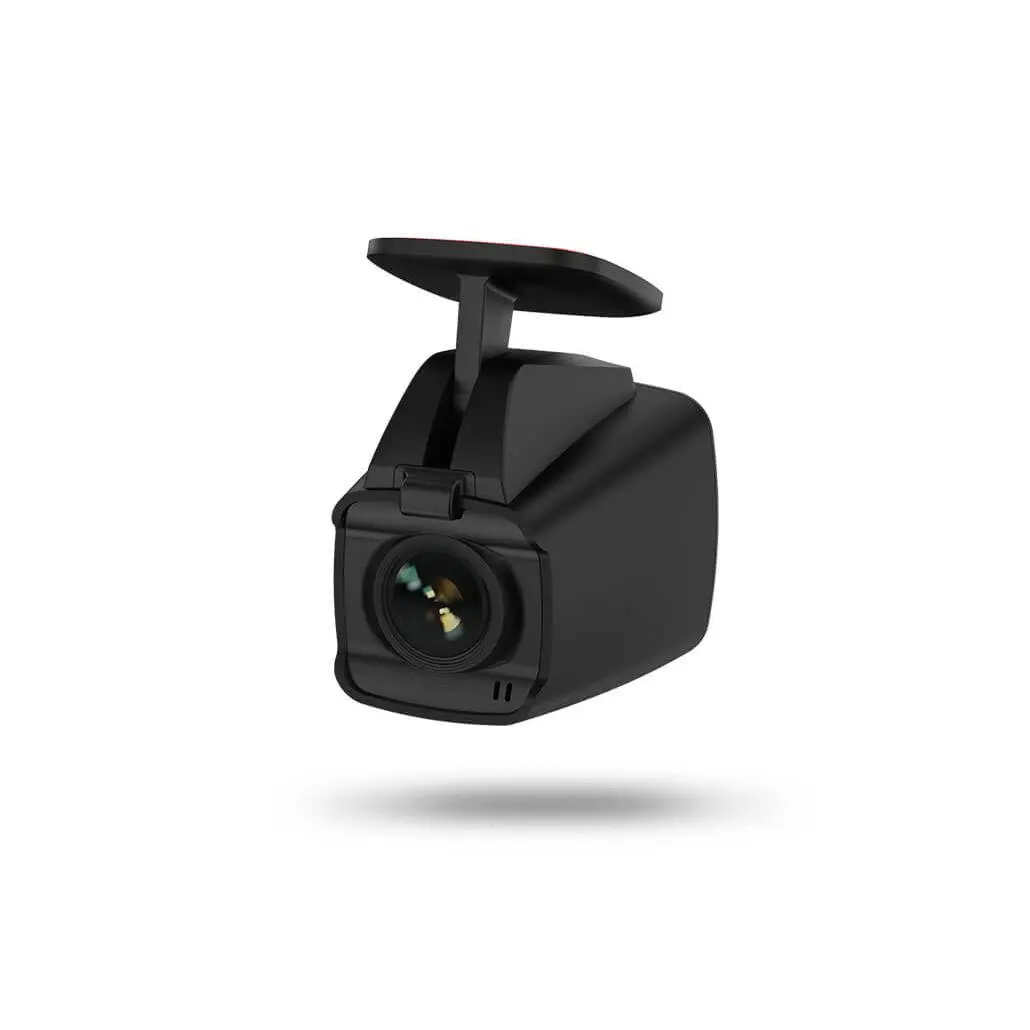
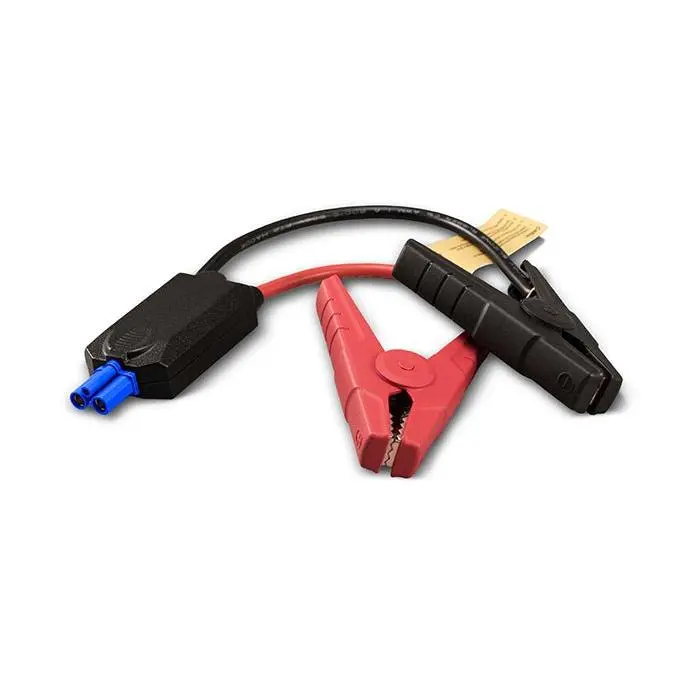


![[Hizpo] AHD 720P Resolution HD Reversing Camera - Reverse Camera for Car with Blackout Night Vision, Waterproof Design for Wet Parking, Universal Compatibility](https://p16-oec-general-useast5.ttcdn-us.com/tos-useast5-i-omjb5zjo8w-tx/2755b93d0a734545849a4c55eea5cc6f~tplv-fhlh96nyum-resize-webp:600:600.webp?dr=12190&t=555f072d&ps=933b5bde&shp=8dbd94bf&shcp=a6e80448&idc=useast5&from=2378011839 "[Hizpo] AHD 720P Resolution HD Reversing Camera - Reverse Camera for Car with Blackout Night Vision, Waterproof Design for Wet Parking, Universal Compatibility")


Related Searches
Related Categories
Introduction
Using a reverse car camera can significantly enhance your driving experience and safety. This innovative technology helps you avoid obstacles and pedestrians while backing up, ensuring that you can maneuver your vehicle with confidence. Here’s how to effectively use a reverse car camera:
- Understand the Display: The camera feeds real-time video to a screen, usually located on your dashboard or rearview mirror. Familiarize yourself with the layout of the display to maximize its benefits.
- Check the Camera Angle: Ensure that the camera is properly positioned to cover the area directly behind your vehicle. Adjust it if necessary for a clearer view.
- Use Guidelines: Many reverse cameras come with grid lines on the display to help you gauge distance and align your vehicle correctly. Use these lines as a guide when reversing.
- Look Around: While the camera provides a great view, always supplement it with your own checks. Turn your head to look for any obstacles or pedestrians that may not be captured by the camera.
- Practice: If you're new to using a reverse camera, practice in an open space to get used to how it displays distance and surroundings.