Results for "how to remove ticks"

Removing ticks is essential for preventing disease transmission. It involves careful extraction and proper aftercare to ensure safety.

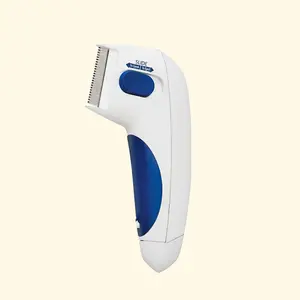
Aniwell Electric Flea Comb – Chemical-Free Flea & Tick Removal for Dogs & Cats
Free shipping

Introduction

Ticks are small, blood-sucking parasites that can attach to your skin and pose serious health risks. Knowing how to remove ticks properly is crucial for your health and safety. When you find a tick on your body or your pet, it is important to act quickly. Here are the steps to effectively remove ticks:
  • Gather your tools: You will need fine-tipped tweezers, antiseptic, and a small container.
  • Grasp the tick: Use the tweezers to grab the tick as close to the skin's surface as possible.
  • Pull upward: With steady, even pressure, pull the tick straight out. Avoid twisting or jerking, as this can cause parts of the tick to break off and remain in the skin.
  • Clean the area: After removal, clean the bite area and your hands with rubbing alcohol or soap and water.
  • Monitor for symptoms: Keep an eye on the bite area for signs of infection or illness.
By following these steps, you can effectively remove ticks and reduce the risk of tick-borne diseases. Regularly check yourself and your pets for ticks, especially after spending time outdoors in wooded or grassy areas. Additionally, consider using flea and tick treatments to prevent future infestations. These treatments can help protect both you and your pets from ticks and the diseases they carry, ensuring a safer and healthier environment. Remember, if you experience any unusual symptoms after a tick bite, consult a healthcare professional immediately.

FAQs

How can I choose the best method for removing ticks?

The best method for removing ticks is using fine-tipped tweezers to grasp the tick close to the skin and pull straight out. Avoid using your fingers or other tools.

What should I do if part of the tick breaks off and stays in my skin?

If part of the tick breaks off, try to remove it with tweezers. If you cannot remove it, consult a healthcare professional for assistance.

Are there any signs I should look for after a tick bite?

Watch for symptoms such as rash, fever, or flu-like symptoms. If these occur, seek medical attention promptly.

How can I prevent ticks from attaching to me or my pets?

Use flea and tick treatments, wear protective clothing, and avoid tall grass and wooded areas when possible.

What are the risks associated with tick bites?

Tick bites can transmit diseases such as Lyme disease, Rocky Mountain spotted fever, and other tick-borne illnesses. It's important to remove ticks promptly and monitor for symptoms.