How to applu a screen protector
Applying a screen protector involves a few simple steps to ensure a bubble-free and precise fit on your device's screen.
Featured brands
Authenticated productsVerified shops


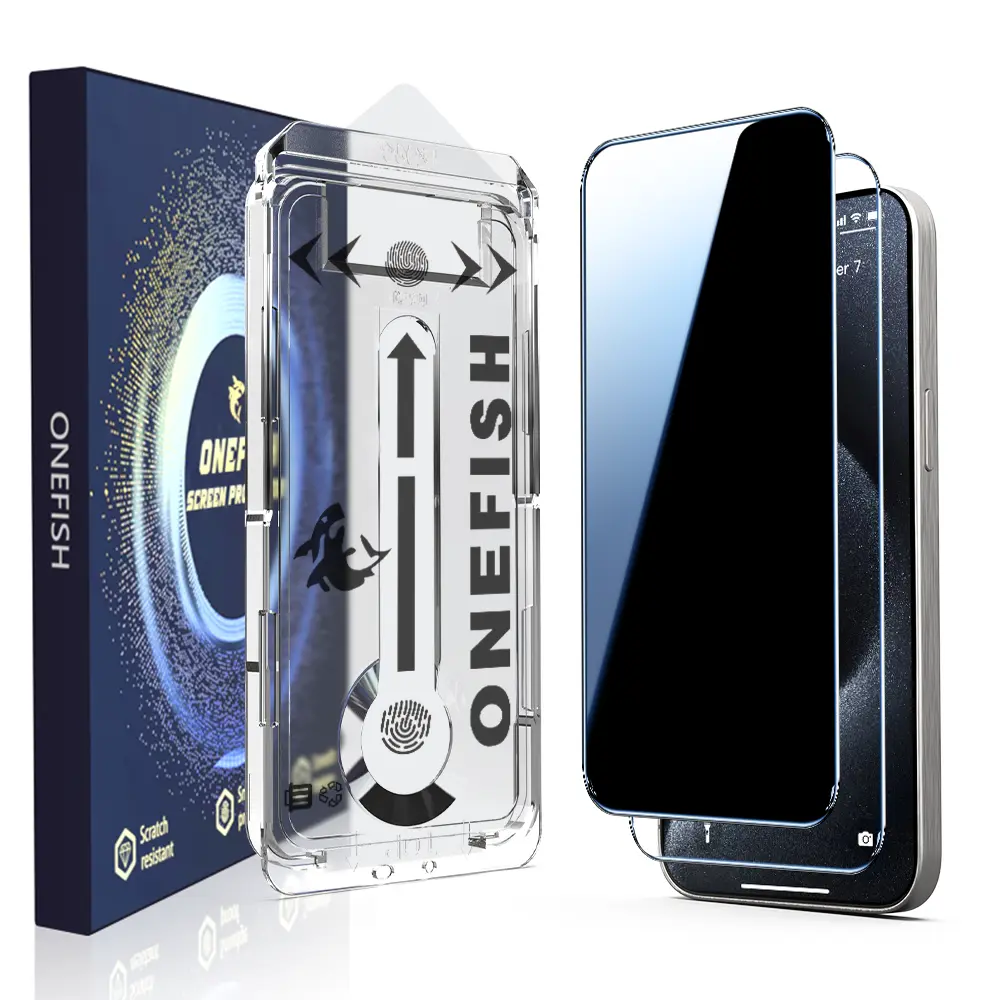
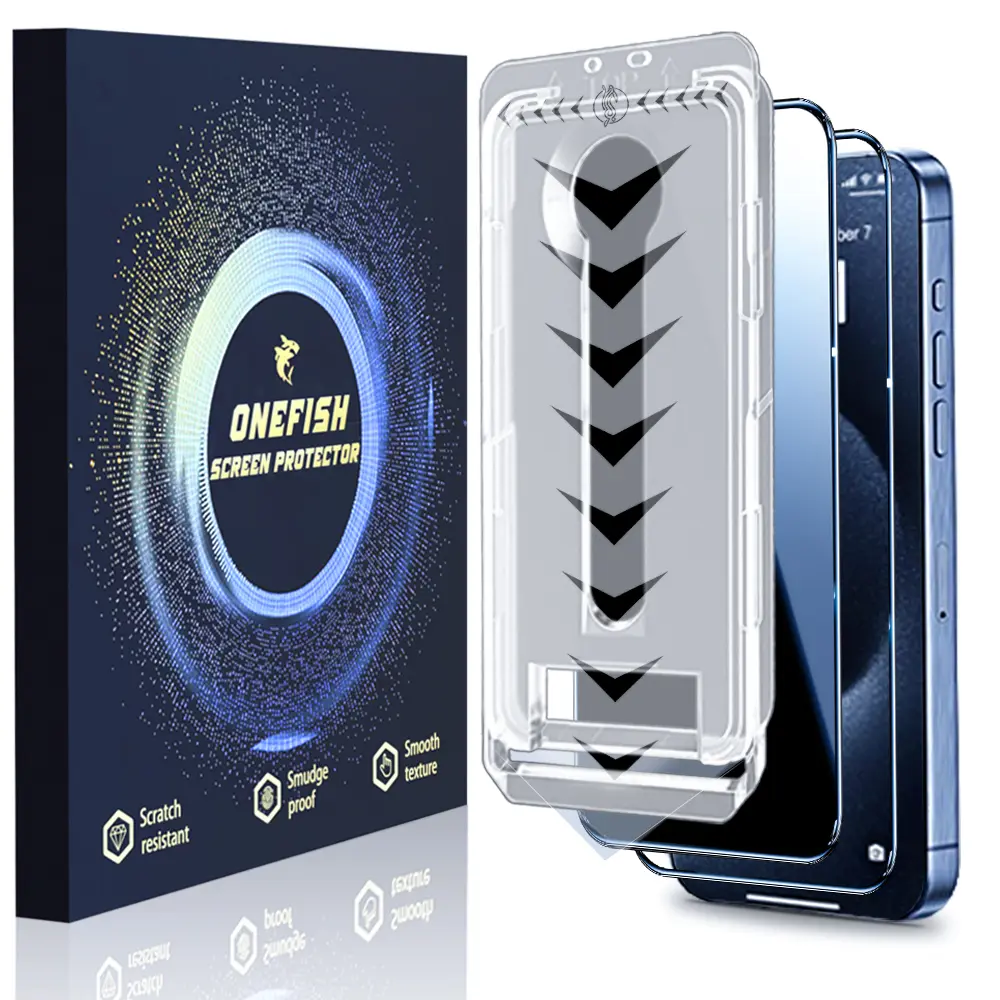
![[2PCS] One Fish Luxury Privacy Screen Protector for iPhone,Samsung -Crystal Clear, Fingerprint Proof, Scratch Resistant, Plasma Plating Process](https://p19-oec-general-useast5.ttcdn-us.com/tos-useast5-i-omjb5zjo8w-tx/9e36c1c8c69b45ffa3a8b3091f15d6a7~tplv-fhlh96nyum-crop-webp:1500:1500.webp?dr=12190&t=555f072d&ps=933b5bde&shp=8dbd94bf&shcp=a6e80448&idc=useast5&from=2378011839)
![One Fish[2PCS] 360° Privacy [4 sides Privacy] Screen Protector [UP, DOWN, LEFT, RIGHT] Anti-Spy, Tempered Glass, Full Protection.](https://p16-oec-general-useast5.ttcdn-us.com/tos-useast5-i-omjb5zjo8w-tx/8ee889704e574221bf1a166e275ade40~tplv-fhlh96nyum-crop-webp:1500:1500.webp?dr=12190&t=555f072d&ps=933b5bde&shp=8dbd94bf&shcp=a6e80448&idc=useast5&from=2378011839)


![[2PCS] FUNCAT GLOBAL Tempered Glass Phone Screen Protectors for iPhone 12/13/14/15/16/17, Smartphone Accessories with Reusable Dust-Free Applicator, Headset Coverage, Full Protection, Fingerprint-Proof Electroplated Layer, Easy Installation](https://p16-oec-general-useast5.ttcdn-us.com/tos-useast5-i-omjb5zjo8w-tx/0c9f9a0c84414f49bebca6529a17de6b~tplv-fhlh96nyum-resize-webp:600:600.webp?dr=12190&t=555f072d&ps=933b5bde&shp=8dbd94bf&shcp=a6e80448&idc=useast5&from=2378011839 "[2PCS] FUNCAT GLOBAL Tempered Glass Phone Screen Protectors for iPhone 12/13/14/15/16/17, Smartphone Accessories with Reusable Dust-Free Applicator, Headset Coverage, Full Protection, Fingerprint-Proof Electroplated Layer, Easy Installation")

![[2-PCS] PandaShield HD/Privacy Screen Protector for iPhone 13,14,15,16,17,18 plus pro max – Anti-Spy, Easy Install bo, 9H Hardness, Full Coverage, fully protection](https://p16-oec-general-useast5.ttcdn-us.com/tos-useast5-i-omjb5zjo8w-tx/e976f728bafd48a9bf63b5e13eb5047d~tplv-fhlh96nyum-resize-webp:600:600.webp?dr=12190&t=555f072d&ps=933b5bde&shp=8dbd94bf&shcp=a6e80448&idc=useast5&from=2378011839 "[2-PCS] PandaShield HD/Privacy Screen Protector for iPhone 13,14,15,16,17,18 plus pro max – Anti-Spy, Easy Install bo, 9H Hardness, Full Coverage, fully protection")


Related Searches
Related Categories
Introduction
Applying a screen protector is an essential step to safeguard your device's display from scratches, cracks, and other damages. Whether you have a smartphone, tablet, or any other device, knowing how to apply a screen protector correctly can enhance its longevity and maintain its visual appeal. Here’s a step-by-step guide to help you through the process:
1. **Clean Your Screen**: Begin by thoroughly cleaning your device's screen with a microfiber cloth to remove dust, fingerprints, and smudges. This is crucial for preventing bubbles and ensuring proper adhesion.
2. **Align the Protector**: Carefully align the screen protector with your device's screen. It’s helpful to hold it up to the light to see how it fits. Make sure the cutouts for the camera and other features match up correctly.
3. **Peel and Apply**: Once aligned, peel the backing off the screen protector. Start applying it from one end and slowly lay it down onto the screen. Use a credit card or similar object to smooth it out and push out any trapped air.
4. **Check for Bubbles**: After applying, check for any bubbles. If you see any, gently lift the edge of the protector and push the bubble towards the edge to release it.
5. **Final Touches**: Once you’re satisfied, wipe the surface again with a clean microfiber cloth to ensure there are no fingerprints.
By following these steps, you can confidently apply a screen protector and keep your device looking brand new. Remember, a high-quality screen protector is a proven quality investment that thousands trust to protect their devices. Regularly check your screen protector for wear and replace it as needed to maintain optimal protection.