Results for "how does plunger work"
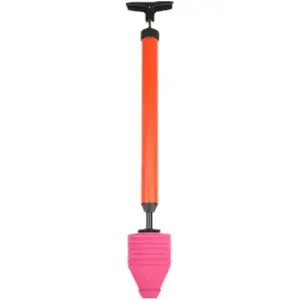
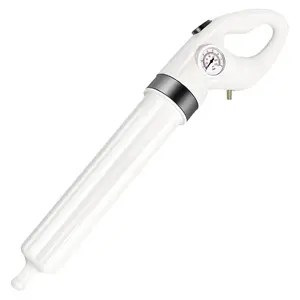
A plunger is a simple yet effective tool used primarily for clearing clogs in plumbing systems, particularly toilets and sinks. It consists of a rubber suction cup attached to a long handle, which creates pressure and suction to dislodge blockages.




Spreetail

3.5
93 sold
$10.99


![[8Pcs Gift Package] Stainless steel Toilet Plunger,1 Set 8Pcs, Fifth generation Toilet Clog Remover, High Pressure Air Drain Dredger,Toilet Bathroom Shower Sink Bathtub,Toilet Cleaning Tools, Household Accessories Balloon Cleaner sink drain](https://p16-oec-general-useast5.ttcdn-us.com/tos-useast5-i-omjb5zjo8w-tx/5a620f3001a2450cb8555053b15dc48d~tplv-fhlh96nyum-crop-webp:300:300.webp?dr=12190&t=555f072d&ps=933b5bde&shp=8dbd94bf&shcp=a6e80448&idc=useast5&from=2378011839 "[8Pcs Gift Package] Stainless steel Toilet Plunger,1 Set 8Pcs, Fifth generation Toilet Clog Remover, High Pressure Air Drain Dredger,Toilet Bathroom Shower Sink Bathtub,Toilet Cleaning Tools, Household Accessories Balloon Cleaner sink drain")
Related Searches
Related Categories
Introduction
Understanding how a plunger works can be incredibly helpful for homeowners and DIY enthusiasts alike. A plunger operates on the principle of creating suction and pressure to remove clogs from drains. When you push down on the handle, the rubber cup compresses, forcing water into the blockage. When you pull the handle back, it creates a vacuum that helps to suck the clog back out. This back-and-forth motion is key to effectively using a plunger.
Here are some essential tips to ensure you use a plunger effectively:
Here are some essential tips to ensure you use a plunger effectively:
- Make sure to choose the right type of plunger; a flange plunger is ideal for toilets, while a cup plunger works best for sinks.
- Ensure there is enough water in the bowl or sink to cover the rubber cup for optimal suction.
- Use a firm and steady motion; quick jabs may not create enough pressure.
- After successfully clearing a clog, flush the toilet or run water through the sink to ensure the blockage is fully removed.