Results for "how does a digital thermometer work"
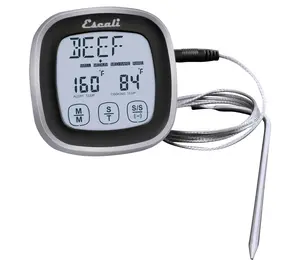
A digital thermometer is an electronic device used to measure temperature accurately and quickly, displaying the result in numerical form on a digital screen.


![[Upgrade Special]ThermoPro Digital Hygrometer Indoor Thermometer with Sensor,Portable Magnetic Bluetooth Humidity Monitor with App,Data Storage for Home,Greenhouse,Fridge,Reptile habitat,Humidor](https://p16-oec-general-useast5.ttcdn-us.com/tos-useast5-i-omjb5zjo8w-tx/d4ea8a65df884424af94c866d29cd4b1~tplv-fhlh96nyum-crop-webp:300:300.webp?dr=12190&t=555f072d&ps=933b5bde&shp=8dbd94bf&shcp=a6e80448&idc=useast5&from=2378011839 "[Upgrade Special]ThermoPro Digital Hygrometer Indoor Thermometer with Sensor,Portable Magnetic Bluetooth Humidity Monitor with App,Data Storage for Home,Greenhouse,Fridge,Reptile habitat,Humidor")




$38.33


-38%$8.61$13.99


![[Grills Gadget]Outdoor BBQ Meat Thermometer-Digital 3s Instant Read with Ambidextrous Backlight and Motion Sensing for Cooking Grill Smoker Oil Fry Candy,Labor Day Special Accessories Gifts Kitchen Utensils Water Proof Stainless Steel Food](https://p16-oec-general-useast5.ttcdn-us.com/tos-useast5-i-omjb5zjo8w-tx/1d87e2f708ea49df8de3f73a384759fe~tplv-fhlh96nyum-crop-webp:300:300.webp?dr=12190&t=555f072d&ps=933b5bde&shp=8dbd94bf&shcp=a6e80448&idc=useast5&from=2378011839 "[Grills Gadget]Outdoor BBQ Meat Thermometer-Digital 3s Instant Read with Ambidextrous Backlight and Motion Sensing for Cooking Grill Smoker Oil Fry Candy,Labor Day Special Accessories Gifts Kitchen Utensils Water Proof Stainless Steel Food")


5.0
9 sold
-10%$21.43$23.81


Related Searches
Related Categories
Introduction
Digital thermometers are essential tools for accurately measuring temperature in various settings, from medical to culinary applications. Understanding how a digital thermometer works can enhance your ability to use this device effectively. Typically, a digital thermometer utilizes a thermistor or a semiconductor sensor to detect temperature changes. When the sensor is exposed to heat, its resistance changes, allowing the thermometer to convert that resistance into a temperature reading displayed on the digital screen.
Here are some key features and benefits of using a digital thermometer:
When selecting a digital thermometer, consider factors such as response time, measurement range, and whether it is designed for oral, , or environmental use. Regularly updating your knowledge on the latest digital thermometer models can help you stay informed about advancements in technology and accuracy, ensuring you choose the best device for your needs.
Here are some key features and benefits of using a digital thermometer:
- Quick Readings: Digital thermometers provide fast results, often within seconds, making them ideal for situations where time is crucial.
- High Accuracy: These devices offer precise temperature measurements, ensuring reliability for medical or cooking purposes.
- Easy to Read: The digital display eliminates the guesswork associated with traditional mercury thermometers, making it easier to interpret results.
- Versatile Use: Digital thermometers can be used for various applications, including measuring body temperature, cooking temperatures, and environmental monitoring.
When selecting a digital thermometer, consider factors such as response time, measurement range, and whether it is designed for oral, , or environmental use. Regularly updating your knowledge on the latest digital thermometer models can help you stay informed about advancements in technology and accuracy, ensuring you choose the best device for your needs.