Results for "house circuit breaker"
A house circuit breaker is an essential safety device that automatically interrupts the electrical circuit in case of an overload or short circuit. It helps protect your home from electrical fires and equipment damage by stopping the flow of electricity when a fault is detected.


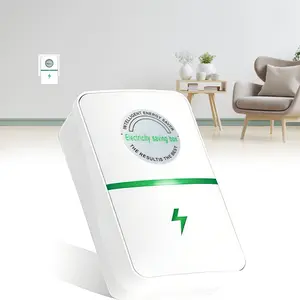


4.0
6 sold
-43%$26.11$46.00


4.5
909 sold
-50%$15.23$30.45


4.5
28.0K sold
-45%$12.15$22.11


Related Searches
Related Categories
Introduction
When it comes to ensuring the safety and efficiency of your home's electrical system, a house circuit breaker is a crucial component. It acts as a safeguard, automatically shutting off electrical flow to prevent potential hazards like fires or equipment damage. With the increasing number of devices we use daily, the importance of reliable circuit breakers cannot be overstated.
In modern homes, circuit breakers replace traditional fuses, offering greater convenience and protection. They come in various types, including single-pole and double-pole breakers, designed to handle different voltage levels and electrical loads. Choosing the right circuit breaker is essential for maintaining a safe living environment.
Regularly checking and maintaining your circuit breaker can prevent unexpected power outages and ensure your home's electrical system operates smoothly. If you're experiencing frequent tripping, it might be time to upgrade to a higher-capacity circuit breaker or consult a professional.
Investing in high-quality switches and accessories that complement your circuit breaker will enhance your electrical system's overall performance. Remember, safety should always be your priority when dealing with electrical systems in your home. Stay informed and proactive about your electrical needs, and your house circuit breaker will serve you well.
In modern homes, circuit breakers replace traditional fuses, offering greater convenience and protection. They come in various types, including single-pole and double-pole breakers, designed to handle different voltage levels and electrical loads. Choosing the right circuit breaker is essential for maintaining a safe living environment.
Regularly checking and maintaining your circuit breaker can prevent unexpected power outages and ensure your home's electrical system operates smoothly. If you're experiencing frequent tripping, it might be time to upgrade to a higher-capacity circuit breaker or consult a professional.
Investing in high-quality switches and accessories that complement your circuit breaker will enhance your electrical system's overall performance. Remember, safety should always be your priority when dealing with electrical systems in your home. Stay informed and proactive about your electrical needs, and your house circuit breaker will serve you well.