Horse dewormer
Horse dewormer is a medication specifically formulated to eliminate internal parasites in horses. Regular use of dewormers is essential for maintaining the health and well-being of your equine companions.
Featured brands
Authenticated productsVerified shops






Related Searches
Related Categories
Introduction
When it comes to keeping your horse healthy, horse dewormer plays a crucial role in parasite control. These specialized medications are designed to effectively eliminate various internal parasites that can affect your horse's health, including roundworms, tapeworms, and bots. Regular administration of horse dewormer is essential for maintaining your horse's overall well-being and ensuring they thrive.
Choosing the right horse dewormer can be overwhelming, given the numerous options available. Here are some key points to consider:
Choosing the right horse dewormer can be overwhelming, given the numerous options available. Here are some key points to consider:
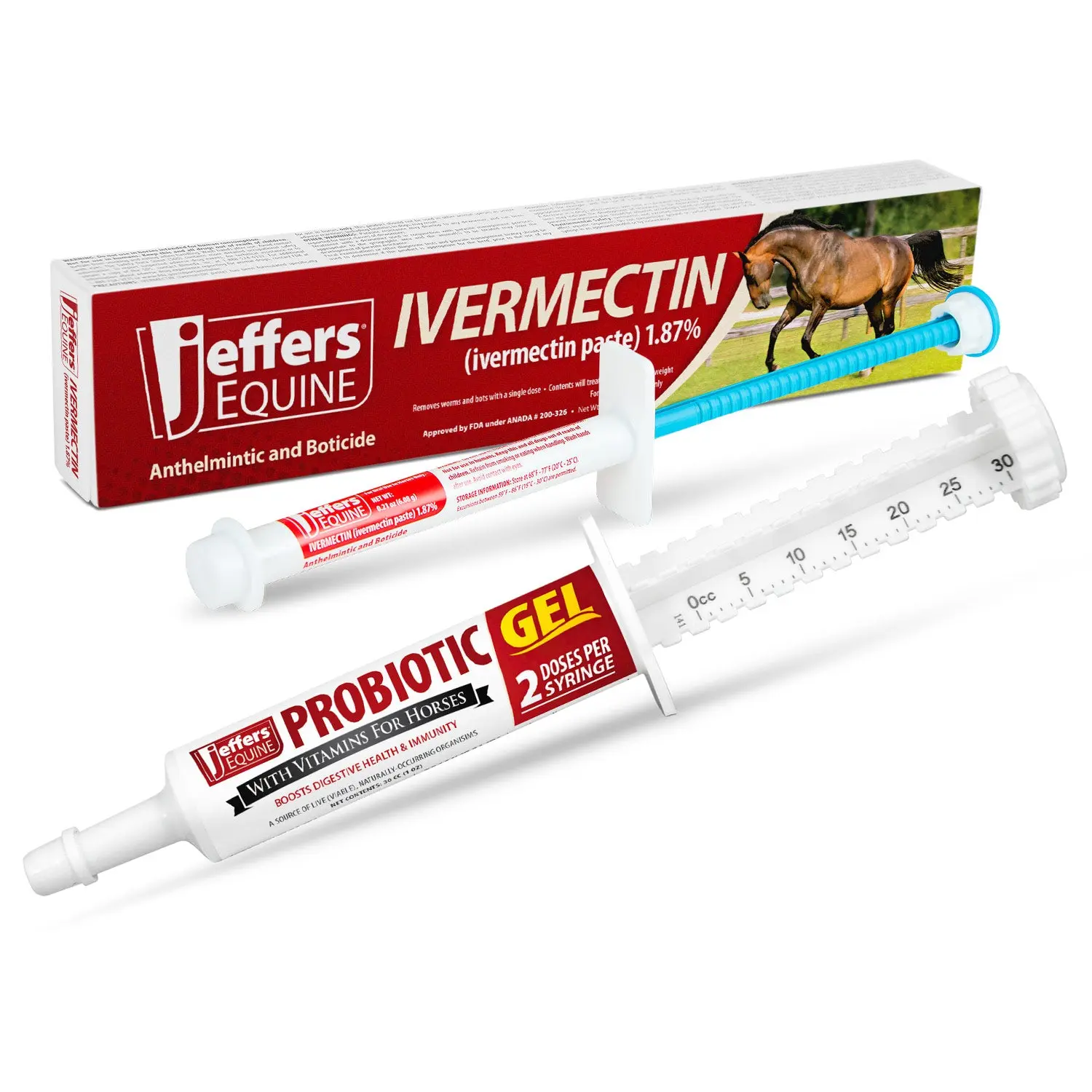
- Types of Dewormers: There are several types of horse dewormers available, including ivermectin, fenbendazole, and pyrantel. Each type targets different parasites, so it's important to select the one that best suits your horse's needs.
- Consult Your Veterinarian: Always consult with your veterinarian before starting a deworming program. They can help you determine the most effective deworming schedule based on your horse's age, health status, and environment.
- Regular Deworming Schedule: Establishing a regular deworming schedule is crucial. Most horse owners deworm their horses every 6 to 8 weeks, but your veterinarian may recommend a different frequency based on your horse's specific circumstances.
- Monitor for Side Effects: While horse dewormers are generally safe, some horses may experience side effects. Keep an eye on your horse after administering dewormers and consult your vet if you notice any unusual behavior.