home made face serum
Homemade face serum refers to a skincare product that individuals create using natural ingredients to hydrate, nourish, and rejuvenate the skin. These serums can be tailored to specific skin types and concerns.
Featured brands
Authenticated productsVerified shops


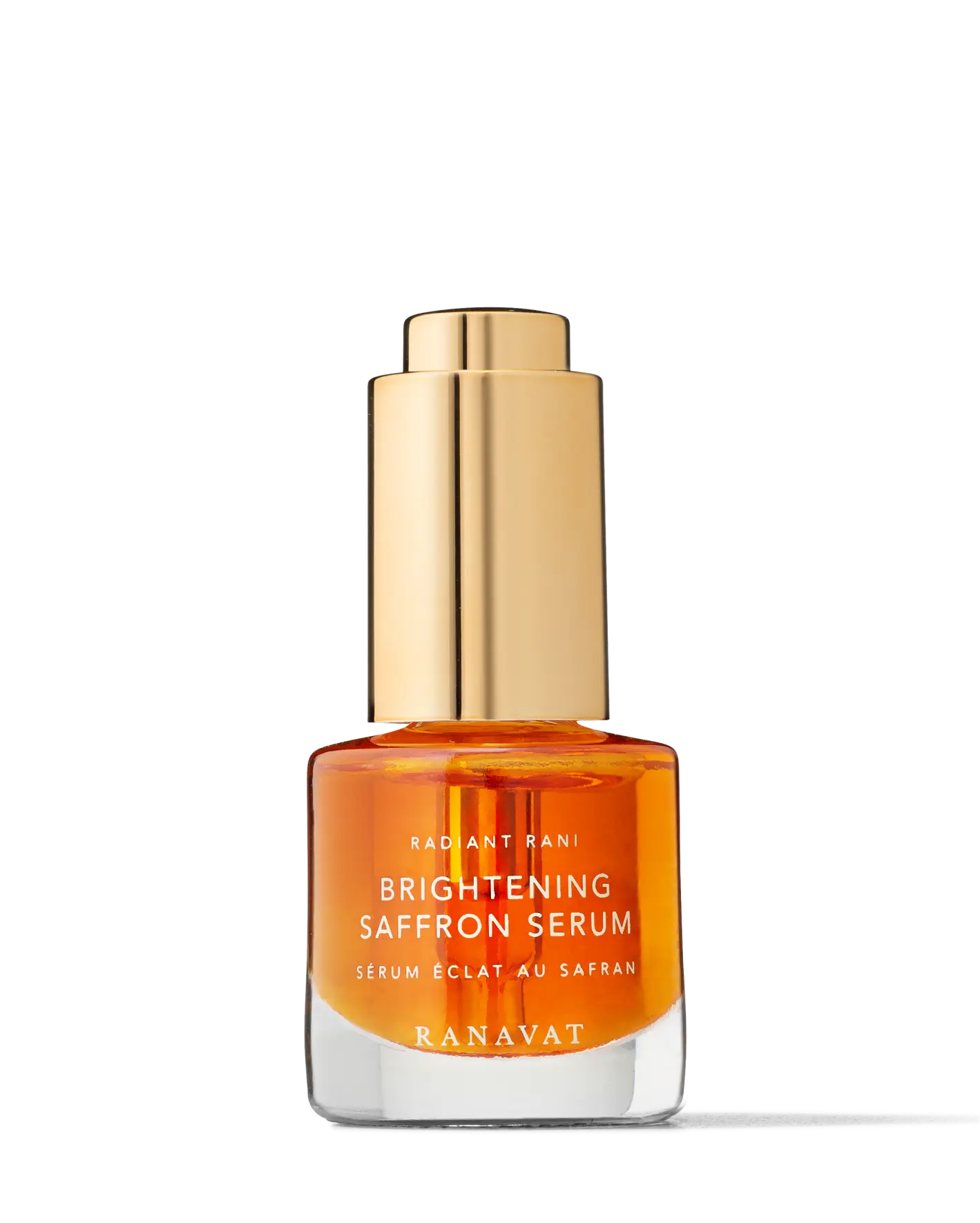
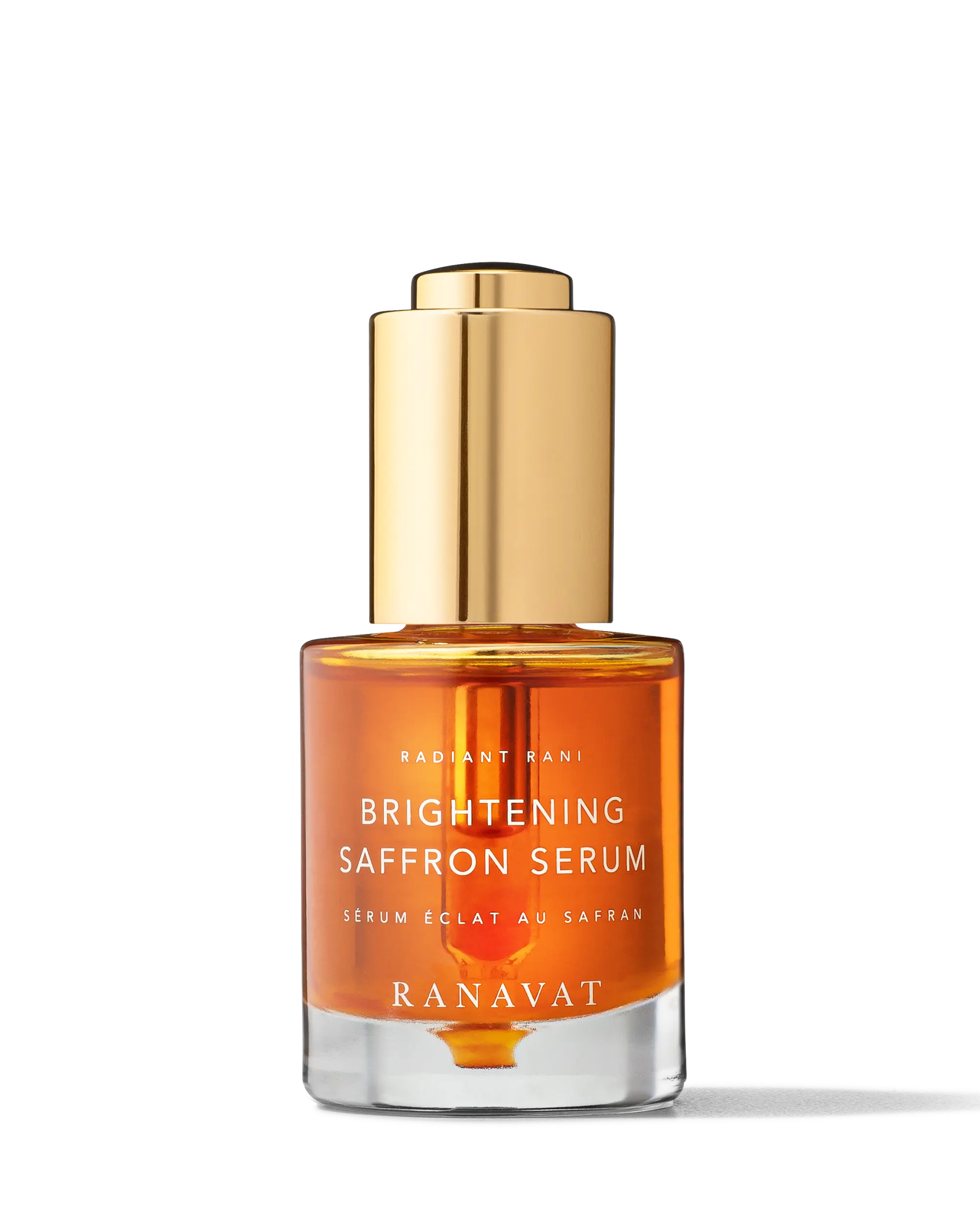
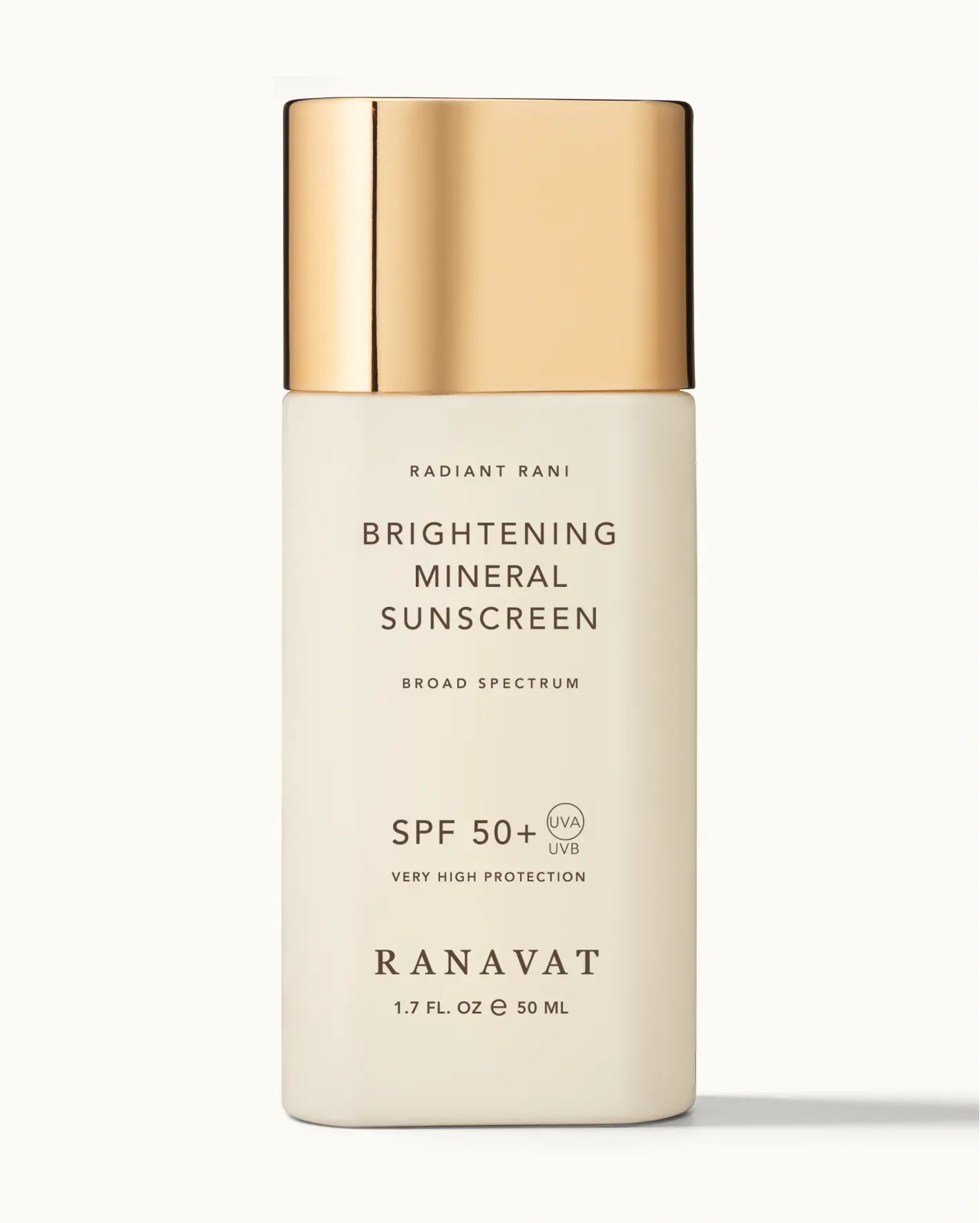


Ranavat

4.7
3.4K sold
$35.00


![[NEW] [medicube] NAD+ EGF Firming Serum | NAD+, EGF, Collagen Extract, Anti-aging, Plumping, Radiance Boosting Serum | Cares for Look of Fine Lines, Skin Elasticity & Firmness For Youthful-looking Skin (30ml / 1.01 fl. oz.) | Korean Skincare, K-Beauty](https://p19-oec-general-useast5.ttcdn-us.com/tos-useast5-i-omjb5zjo8w-tx/4035999843124cc2b104c5f225354ae5~tplv-fhlh96nyum-resize-webp:600:600.webp?dr=12190&t=555f072d&ps=933b5bde&shp=8dbd94bf&shcp=a6e80448&idc=useast5&from=2378011839 "[NEW] [medicube] NAD+ EGF Firming Serum | NAD+, EGF, Collagen Extract, Anti-aging, Plumping, Radiance Boosting Serum | Cares for Look of Fine Lines, Skin Elasticity & Firmness For Youthful-looking Skin (30ml / 1.01 fl. oz.) | Korean Skincare, K-Beauty")


![[Official]Dr.Reju-All Advanced PDRN Copper Peptide Face Serum - GHK-Cu, Hyaluronic Acid, Hydrolyzed Collagen Peptides, Smooth, Lightweight, Gentle for Sensitive Skin, Daily Firming & Elasticity Boost, 1.01 Fl Oz, Beauty Products, Smooth Skin Routine](https://p16-oec-general-useast5.ttcdn-us.com/tos-useast5-i-omjb5zjo8w-tx/714e58e8e25d495ea73927a467c2dbb4~tplv-fhlh96nyum-resize-webp:600:600.webp?dr=12190&t=555f072d&ps=933b5bde&shp=8dbd94bf&shcp=a6e80448&idc=useast5&from=2378011839 "[Official]Dr.Reju-All Advanced PDRN Copper Peptide Face Serum - GHK-Cu, Hyaluronic Acid, Hydrolyzed Collagen Peptides, Smooth, Lightweight, Gentle for Sensitive Skin, Daily Firming & Elasticity Boost, 1.01 Fl Oz, Beauty Products, Smooth Skin Routine")
![[Sungboon] Lifting Ampoule | Wrinkle Care | Face-Lift at Home serum with Peptides & Deep Collagen | Plumping, Smooth, Anti aging Korean Skincare mothers day gift ideas (30ml)](https://p16-oec-general-useast5.ttcdn-us.com/tos-useast5-i-omjb5zjo8w-tx/b3a6a4063c564ec38969c14e716f5a0a~tplv-fhlh96nyum-resize-webp:600:600.webp?dr=12190&t=555f072d&ps=933b5bde&shp=8dbd94bf&shcp=a6e80448&idc=useast5&from=2378011839 "[Sungboon] Lifting Ampoule | Wrinkle Care | Face-Lift at Home serum with Peptides & Deep Collagen | Plumping, Smooth, Anti aging Korean Skincare mothers day gift ideas (30ml)")
![[Dr.Althea] Gentle Vitamin C Serum 30ml](https://p16-oec-general-useast5.ttcdn-us.com/tos-useast5-i-omjb5zjo8w-tx/9530bf6319834b858c95faeb869ea156~tplv-fhlh96nyum-resize-webp:600:600.webp?dr=12190&t=555f072d&ps=933b5bde&shp=8dbd94bf&shcp=a6e80448&idc=useast5&from=2378011839 "[Dr.Althea] Gentle Vitamin C Serum 30ml")


![[IUNIK Official] Beta Glucan Power Deep Moisture Serum | 20% More Hydration & Skin Barrier Support for Dry & Sensitive Skin l Lightweight Gel Texture l summervibes | 1.69 fl oz (50ml)](https://p16-oec-general-useast5.ttcdn-us.com/tos-useast5-i-omjb5zjo8w-tx/9d27dd5d079e4db7a5a436deb2574807~tplv-fhlh96nyum-resize-webp:600:600.webp?dr=12190&t=555f072d&ps=933b5bde&shp=8dbd94bf&shcp=a6e80448&idc=useast5&from=2378011839 "[IUNIK Official] Beta Glucan Power Deep Moisture Serum | 20% More Hydration & Skin Barrier Support for Dry & Sensitive Skin l Lightweight Gel Texture l summervibes | 1.69 fl oz (50ml)")
![[I'm From Official Shop] Rice Serum, 73% Fermented Rice Embryo Extract | Boost Collagen, Vitality, Supply nutrients to skin Healthy Glow Moisture Skincare Skin Repair Comfort Skincare Korean Moisturizer Hyaluronic Niacinamide Hydrate Hydrating](https://p16-oec-general-useast5.ttcdn-us.com/tos-useast5-i-omjb5zjo8w-tx/9a82de5021f54a019c3a7d8a34d0bc3c~tplv-fhlh96nyum-resize-webp:600:600.webp?dr=12190&t=555f072d&ps=933b5bde&shp=8dbd94bf&shcp=a6e80448&idc=useast5&from=2378011839 "[I'm From Official Shop] Rice Serum, 73% Fermented Rice Embryo Extract | Boost Collagen, Vitality, Supply nutrients to skin Healthy Glow Moisture Skincare Skin Repair Comfort Skincare Korean Moisturizer Hyaluronic Niacinamide Hydrate Hydrating")
![[Dear Klairs Official] Blue Youth Activating Drop Facial EGF Serum - #1 10ppm EGF Peptide, Blemish & Redness Reduction, Soothing Oil Control, Skin Repair, Acne Mark Clearing](https://p16-oec-general-useast5.ttcdn-us.com/tos-useast5-i-omjb5zjo8w-tx/6df6ebf9294a4dd0aa7347f71dddfb1f~tplv-fhlh96nyum-resize-webp:600:600.webp?dr=12190&t=555f072d&ps=933b5bde&shp=8dbd94bf&shcp=a6e80448&idc=useast5&from=2378011839 "[Dear Klairs Official] Blue Youth Activating Drop Facial EGF Serum - #1 10ppm EGF Peptide, Blemish & Redness Reduction, Soothing Oil Control, Skin Repair, Acne Mark Clearing")
![[Dr.Althea Official] 345 Relief Serum - Daily Hydrating Face Serum for Dry, Irritated Skin, Soothing Redness & Post-Acne Care, Non-comedogenic, Korean Vegan Skincare](https://p16-oec-general-useast5.ttcdn-us.com/tos-useast5-i-omjb5zjo8w-tx/366900b5732746bfb19eff1c36dec7b4~tplv-fhlh96nyum-resize-webp:600:600.webp?dr=12190&t=555f072d&ps=933b5bde&shp=8dbd94bf&shcp=a6e80448&idc=useast5&from=2378011839 "[Dr.Althea Official] 345 Relief Serum - Daily Hydrating Face Serum for Dry, Irritated Skin, Soothing Redness & Post-Acne Care, Non-comedogenic, Korean Vegan Skincare")
![[SAVE 50%] Feel & Lift Duo | Ampoule + Serum with 8 types Hyaluronic Acid for wrinkles & fine lines | Gift set Firming, Moisturizing, Collagen Boosting, Anti aging Korean Home for all skin types Daily Restore](https://p16-oec-general-useast5.ttcdn-us.com/tos-useast5-i-omjb5zjo8w-tx/2547b6bf3e8d420c8676faadc78b89e2~tplv-fhlh96nyum-resize-webp:600:600.webp?dr=12190&t=555f072d&ps=933b5bde&shp=8dbd94bf&shcp=a6e80448&idc=useast5&from=2378011839 "[SAVE 50%] Feel & Lift Duo | Ampoule + Serum with 8 types Hyaluronic Acid for wrinkles & fine lines | Gift set Firming, Moisturizing, Collagen Boosting, Anti aging Korean Home for all skin types Daily Restore")

![[Beauty of Joseon Official] Glow Deep Serum: Rice + Alpha-Arbutin | Lightweight Radiance Serum, Hydrating, Dark Spots Care, Uneven Skin Tone](https://p16-oec-general-useast5.ttcdn-us.com/tos-useast5-i-omjb5zjo8w-tx/2079eb5f1ad0445c96688fb9de21993c~tplv-fhlh96nyum-resize-webp:600:600.webp?dr=12190&t=555f072d&ps=933b5bde&shp=8dbd94bf&shcp=a6e80448&idc=useast5&from=2378011839 "[Beauty of Joseon Official] Glow Deep Serum: Rice + Alpha-Arbutin | Lightweight Radiance Serum, Hydrating, Dark Spots Care, Uneven Skin Tone")

![[Dr Song] PDRN Peptide-8 Serum - Salmon DNA, Niacinamide, Hyaluronic Acid, K Beauty, Korean Skincare (30ml)](https://p16-oec-general-useast5.ttcdn-us.com/tos-useast5-i-omjb5zjo8w-tx/da60fcedbbad469d92cfd86542b2b5ce~tplv-fhlh96nyum-resize-webp:600:601.webp?dr=12190&t=555f072d&ps=933b5bde&shp=8dbd94bf&shcp=a6e80448&idc=useast5&from=2378011839 "[Dr Song] PDRN Peptide-8 Serum - Salmon DNA, Niacinamide, Hyaluronic Acid, K Beauty, Korean Skincare (30ml)")
4.5
13.0K sold
-29%$49.90$70.00
![[38% Deal] Silk Lifting Peptide Ampoule | Wrinkle Care | Face-Lift at Home serum with Peptides & Deep Collagen | Plumping, Smooth, Anti aging Korean Skincare](https://p16-oec-general-useast5.ttcdn-us.com/tos-useast5-i-omjb5zjo8w-tx/fe009c3250ac4213804df7e805b1c1ac~tplv-fhlh96nyum-resize-webp:600:600.webp?dr=12190&t=555f072d&ps=933b5bde&shp=8dbd94bf&shcp=a6e80448&idc=useast5&from=2378011839 "[38% Deal] Silk Lifting Peptide Ampoule | Wrinkle Care | Face-Lift at Home serum with Peptides & Deep Collagen | Plumping, Smooth, Anti aging Korean Skincare")


Asterwood
4.9
76 sold

-12%$21.99$24.99
![[NEW] [medicube] 5% Volufiline Day & Night Plump It Up Set | 5% Volufiline + PDRN + Retinal | Volufiline AM & PM Routine for Youthful-looking Skin | Plumping Care, Firming Care, Anti-Aging Care, Contour Care | Helping Look of Fine Lines | Korean Skincare](https://p16-oec-general-useast5.ttcdn-us.com/tos-useast5-i-omjb5zjo8w-tx/8744a76a70a641289c8ec53ea7e997ec~tplv-fhlh96nyum-resize-webp:600:600.webp?dr=12190&t=555f072d&ps=933b5bde&shp=8dbd94bf&shcp=a6e80448&idc=useast5&from=2378011839 "[NEW] [medicube] 5% Volufiline Day & Night Plump It Up Set | 5% Volufiline + PDRN + Retinal | Volufiline AM & PM Routine for Youthful-looking Skin | Plumping Care, Firming Care, Anti-Aging Care, Contour Care | Helping Look of Fine Lines | Korean Skincare")
![[Dr.Althea Official] Aqua Marine Deep Serum - Instant Hydration & Soothing Facial Serum for All Skin Types , Korean Vegan Skincare](https://p16-oec-general-useast5.ttcdn-us.com/tos-useast5-i-omjb5zjo8w-tx/2b5f76fcf8e944329394a924737610ac~tplv-fhlh96nyum-resize-webp:600:600.webp?dr=12190&t=555f072d&ps=933b5bde&shp=8dbd94bf&shcp=a6e80448&idc=useast5&from=2378011839 "[Dr.Althea Official] Aqua Marine Deep Serum - Instant Hydration & Soothing Facial Serum for All Skin Types , Korean Vegan Skincare")
Dr.Althea US
5.0
617 sold
-20%$19.40$24.18
Related Searches
Introduction
Creating a homemade face serum can be a rewarding and effective way to enhance your skincare routine. With the right ingredients, a homemade face serum can provide essential nutrients and hydration to your skin without the harsh chemicals found in many commercial products. Typically, these serums are made using a combination of carrier oils, essential oils, and other natural ingredients that cater to your skin's unique needs.
Here are some benefits of using a homemade face serum:
To make a basic homemade face serum, consider using ingredients like jojoba oil, rosehip oil, or vitamin E, combined with essential oils like lavender or tea tree. Always conduct a patch test to ensure you don’t have any adverse reactions.
By incorporating a homemade face serum into your skincare routine, you can achieve a radiant and healthy complexion. Remember to store your serum in a cool, dark place to maintain its potency. Regularly updating your homemade recipes with trending ingredients can also help keep your skincare routine fresh and effective.
Here are some benefits of using a homemade face serum:
- Customizable: You can tailor the serum to target specific skin concerns such as dryness, aging, or acne.
- Natural Ingredients: Homemade serums often contain fewer chemicals and more nourishing ingredients.
- Cost-Effective: Making your own serum can save money compared to purchasing high-end commercial products.
- Fun and Creative: The process of experimenting with different ingredients can be enjoyable and fulfilling.
To make a basic homemade face serum, consider using ingredients like jojoba oil, rosehip oil, or vitamin E, combined with essential oils like lavender or tea tree. Always conduct a patch test to ensure you don’t have any adverse reactions.
By incorporating a homemade face serum into your skincare routine, you can achieve a radiant and healthy complexion. Remember to store your serum in a cool, dark place to maintain its potency. Regularly updating your homemade recipes with trending ingredients can also help keep your skincare routine fresh and effective.