hard drive replacement
Hard drive replacement refers to the process of removing an old or malfunctioning hard drive from a computer or storage device and substituting it with a new one. This is essential for maintaining data integrity and improving system performance.
Featured brands
Authenticated productsVerified shops

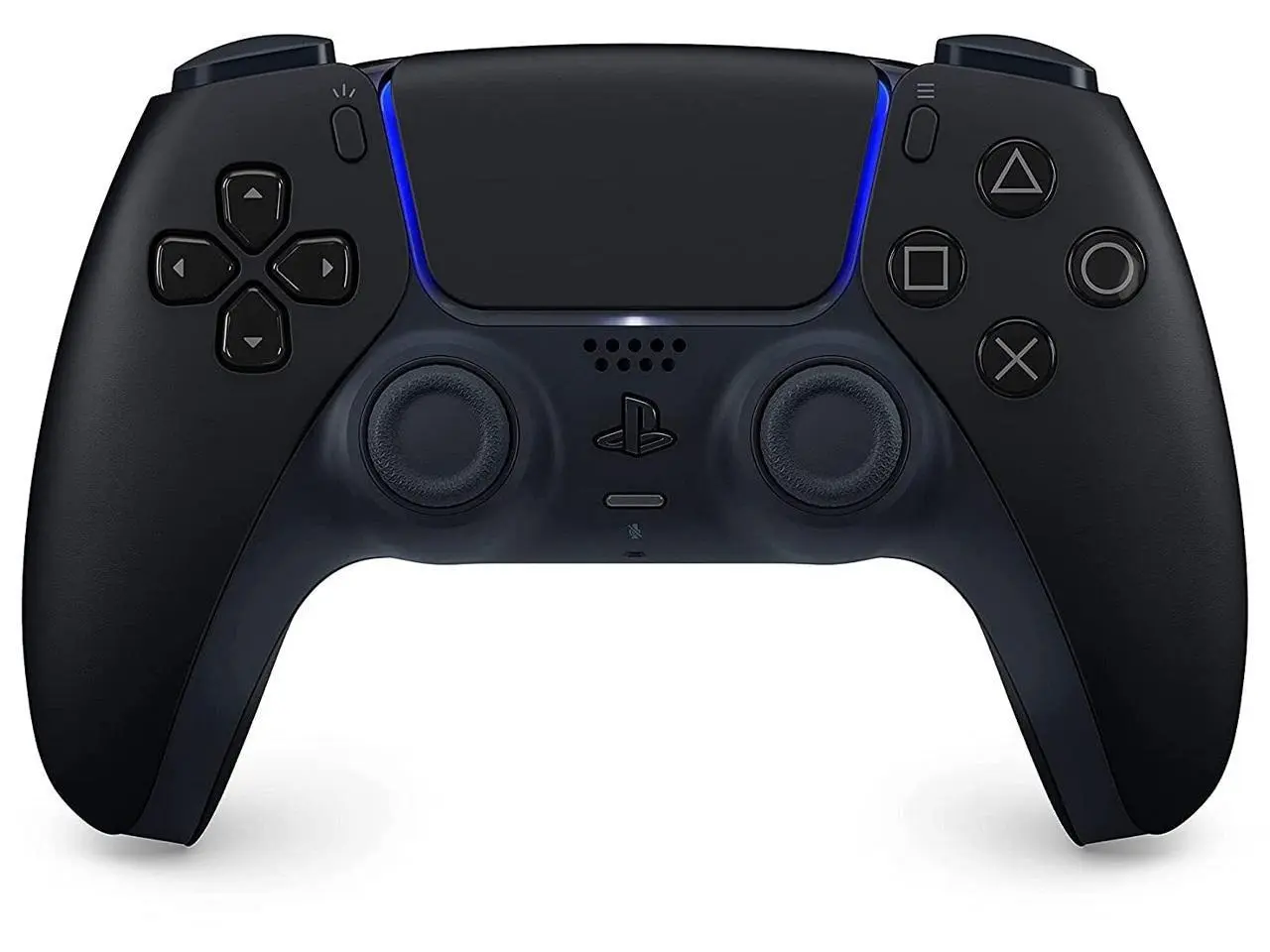

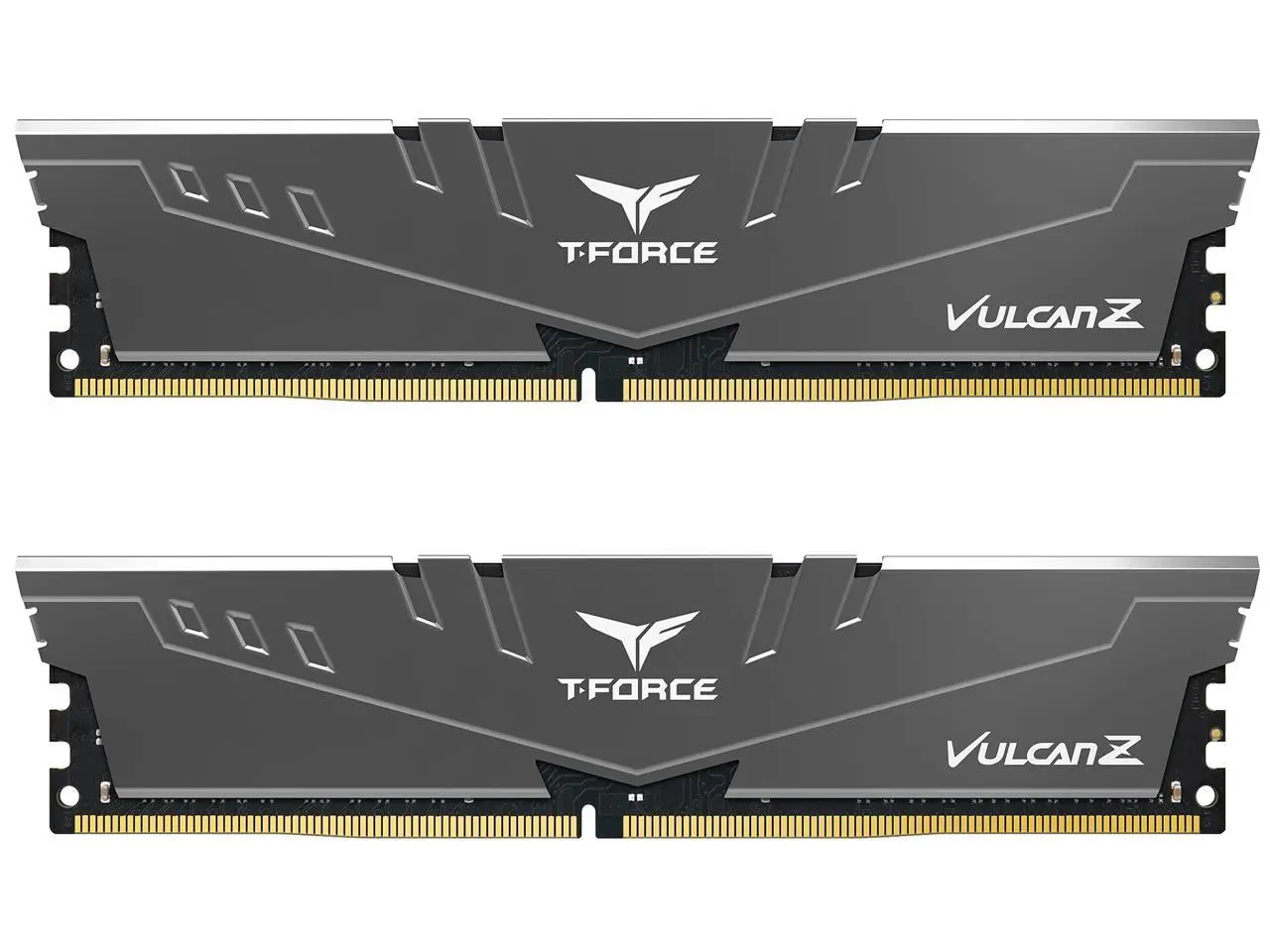
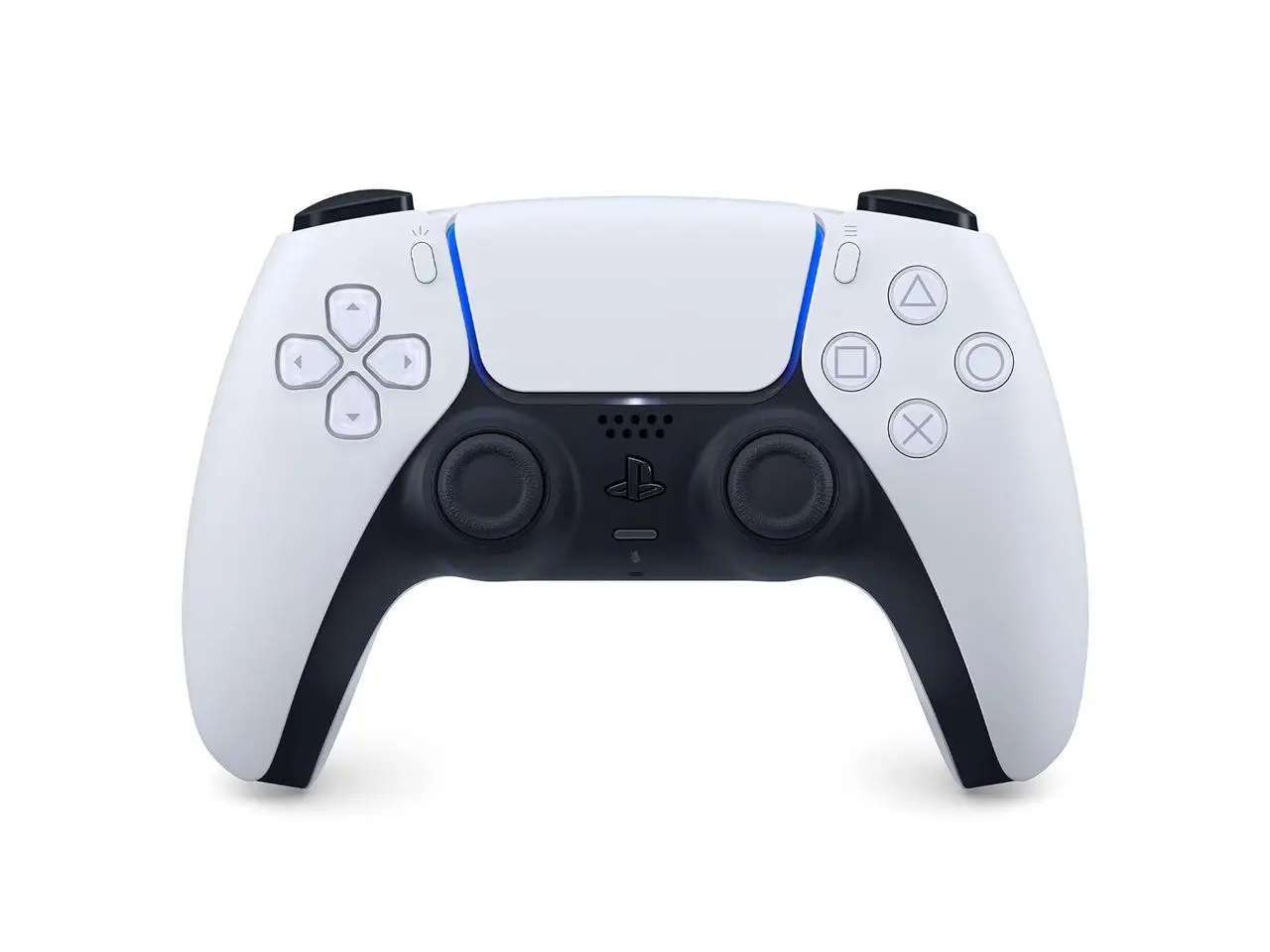


Newegg, Inc.

3.3
38 sold
$201.49


Newegg, Inc.
26 sold
$794.99


Newegg, Inc.
7 sold
$1,081.49


Related Searches
Related Categories
Introduction
Replacing a hard drive can be a crucial step for anyone experiencing slow computer performance, frequent crashes, or data loss. A hard drive replacement not only ensures that your computer runs smoothly but also provides an opportunity to upgrade to a more efficient and larger capacity drive. When considering a hard drive replacement, it's important to determine the type of hard drive that suits your needs—be it a traditional HDD or a faster SSD.
Here are some key points to consider when replacing your hard drive:
A hard drive replacement can also involve data migration, which is the process of transferring your existing files from the old drive to the new one. Utilizing reliable software or professional services can simplify this task.
Regularly replacing your hard drive can prevent data loss and improve your system's overall performance. With proven quality and customer-approved options available, upgrading your hard drive is a smart decision for any user looking to enhance their computing experience.
Here are some key points to consider when replacing your hard drive:
- Compatibility: Ensure the new hard drive is compatible with your computer's motherboard and interface.
- Capacity: Choose a drive with sufficient storage space to accommodate your files and applications.
- Speed: Consider the read and write speeds, especially if you work with large files or run demanding applications.
- Warranty: Look for drives with a good warranty to protect your investment.
A hard drive replacement can also involve data migration, which is the process of transferring your existing files from the old drive to the new one. Utilizing reliable software or professional services can simplify this task.
Regularly replacing your hard drive can prevent data loss and improve your system's overall performance. With proven quality and customer-approved options available, upgrading your hard drive is a smart decision for any user looking to enhance their computing experience.