guitar pedal setup
Guitar pedal setup refers to the arrangement and connection of various effects pedals used by guitarists to modify their instrument's sound. A well-organized pedal setup can significantly enhance the overall tone and creativity of a guitarist's performance.
Featured brands
Authenticated productsVerified shops

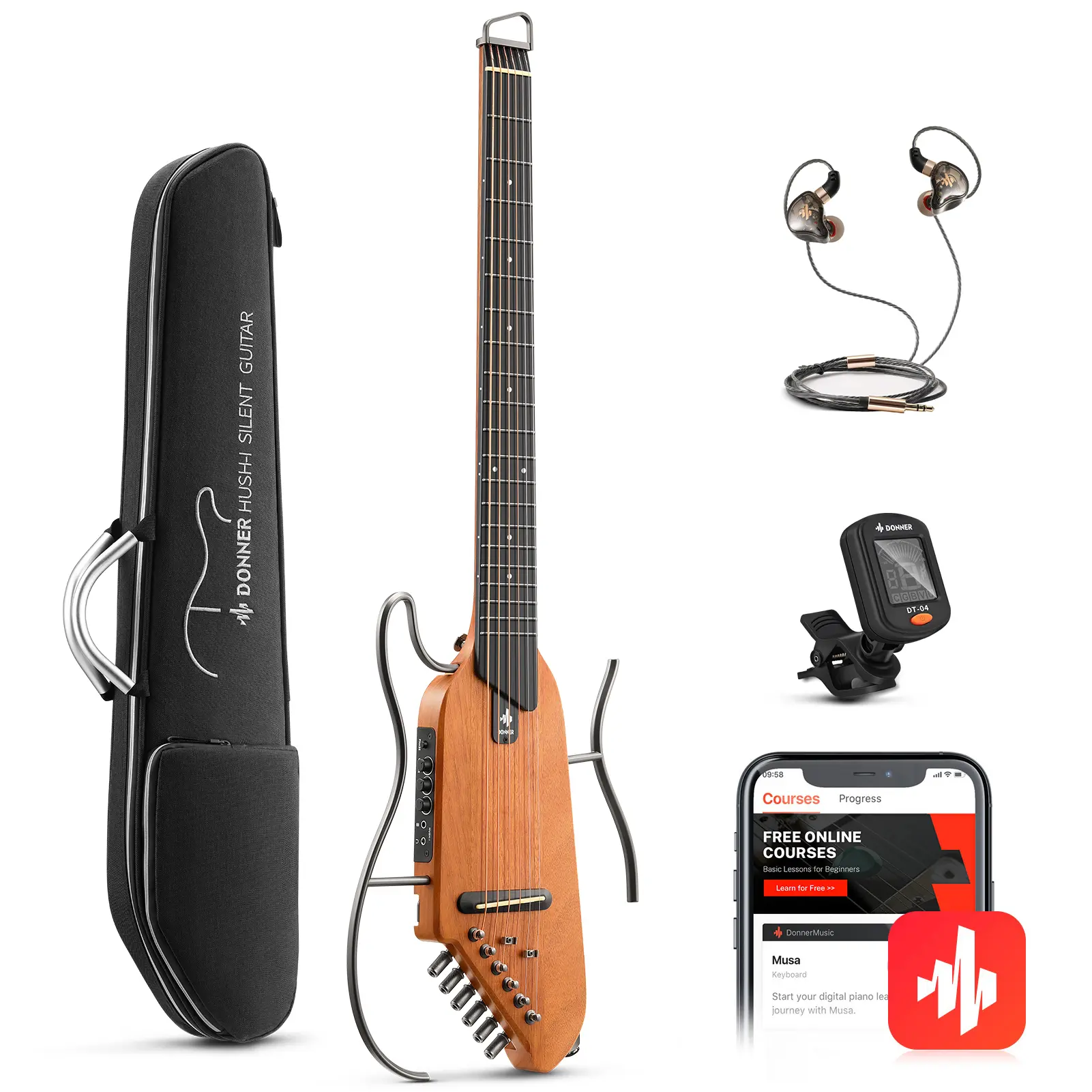
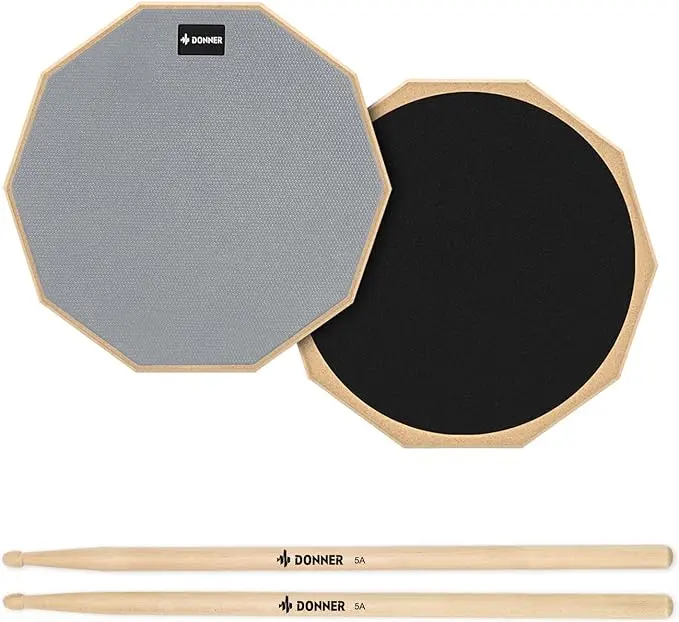

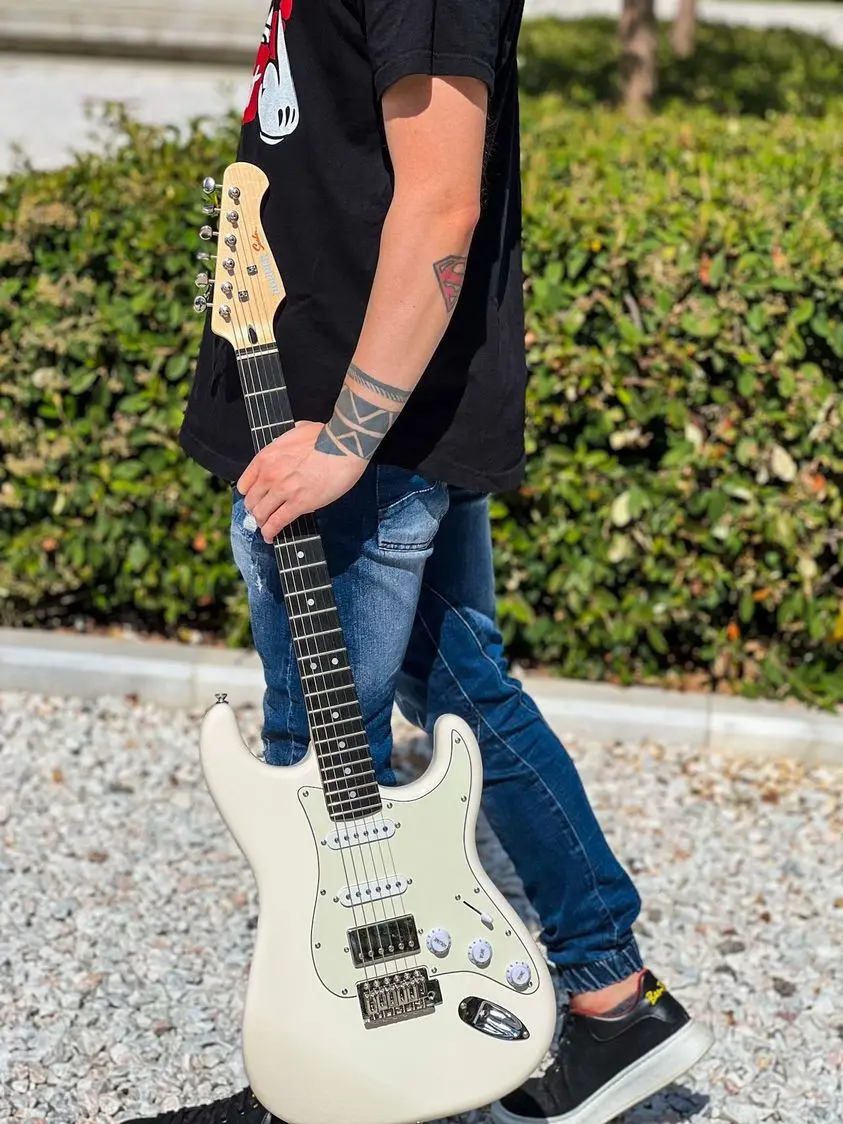



5.0
8 sold
-51%$65.99$135.99


donnermusic.shop

5.0
17 sold
$272.99


donnermusic.shop
4.8
41 sold
$272.99


donnermusic.shop

3 sold
$99.99
Related Searches
Related Categories
Introduction
Setting up your guitar pedalboard is an essential skill for any guitarist looking to elevate their sound. A proper guitar pedal setup allows you to explore a vast array of tones, from classic overdrives to ambient delays. When considering your guitar pedal setup, it's important to understand the order in which you connect your pedals, as this can drastically affect your tone. Here are some tips to help you create the perfect guitar pedal setup:
- Understand Pedal Order: Typically, you'll want to place distortion and overdrive pedals before modulation effects like chorus and flanger, and time-based effects like delay and reverb at the end of the chain.
- Use Quality Cables: Invest in good quality patch cables to ensure a clean signal transfer between pedals.
- Power Supply: Utilize a reliable power supply to avoid unwanted noise and ensure your pedals function properly.
- Experiment: Don’t hesitate to try different setups. Sometimes, an unconventional order can yield unique sounds.
- Label Your Pedals: For live performances, consider labeling your pedals to quickly identify them during a gig.