Results for "ground fault receptacle"
A ground fault receptacle is a safety device designed to protect against electrical shock by interrupting the electrical circuit when it detects an imbalance between incoming and outgoing current.


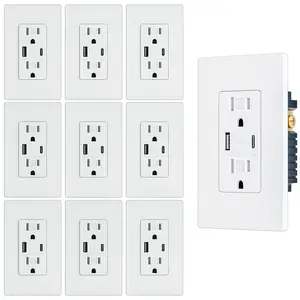


Sunco Lighting

5.0
2 sold
$18.37

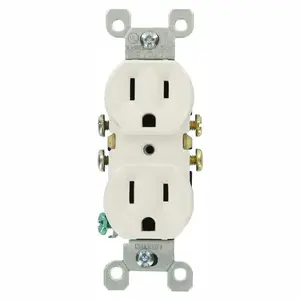


5.0
31 sold
-50%$9.75$19.50


5.0
59 sold
-50%$10.83$21.68

Related Searches
Related Categories
Introduction
A ground fault receptacle, often referred to as a GFCI (Ground Fault Circuit Interrupter), is an essential safety feature in any electrical system, particularly in areas prone to moisture like kitchens and bathrooms. This device is designed to protect you from electric shock by quickly shutting off the power when it detects a ground fault, which occurs when there is an unintended path between the source of current and the grounded surface. Understanding how a ground fault receptacle works and its importance can help you ensure a safer environment in your home or workplace.
Here are some key points about ground fault receptacles:
- Protection Against Shock: GFCIs are crucial in preventing electrical shocks, especially in wet locations.
- Easy to Install: Many homeowners can install GFCIs themselves, making them an accessible safety upgrade.
- Regular Testing: It's recommended to test your GFCI outlets monthly to ensure they are functioning correctly.
- Proven Quality: Ground fault receptacles are trusted by thousands of homeowners and professionals for their reliability.