Results for "glycolic acid and retinol difference"
Glycolic acid and retinol are both popular skincare ingredients known for their exfoliating and anti-aging properties, but they serve different functions and have unique characteristics.


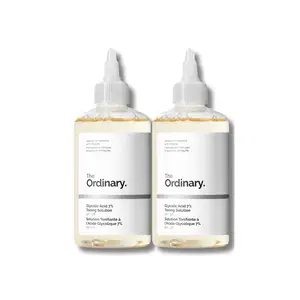


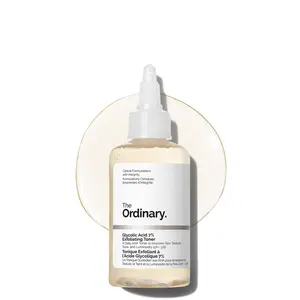
The Ordinary Store

4.6
1.1M sold
$11.00

![[medicube] Kojic Acid Turmeric Serum for Face & Body | For Uneven Skin Tone & Texture | Niacinamide, Glycolic Acid for Clear Glass Skin | Korean Skin Care | 250ml](https://p16-oec-general-useast5.ttcdn-us.com/tos-useast5-i-omjb5zjo8w-tx/b680ccfaa83b4ea9b979e0a33920ba13~tplv-fhlh96nyum-crop-webp:300:300.webp?dr=12190&t=555f072d&ps=933b5bde&shp=8dbd94bf&shcp=a6e80448&idc=useast5&from=2378011839 "[medicube] Kojic Acid Turmeric Serum for Face & Body | For Uneven Skin Tone & Texture | Niacinamide, Glycolic Acid for Clear Glass Skin | Korean Skin Care | 250ml")
medicube US Store
4.8
8.0K sold
-24%$26.00$34.00

Remedy Science
4.4
68.3K sold

-25%$43.49$58.00

DRMTLGY Shop
4.8
751 sold
-21%$27.00$34.02
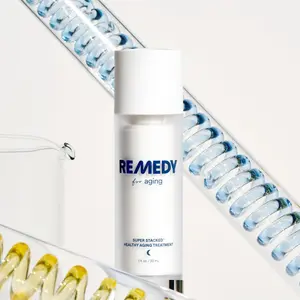
Remedy Science
4.7
10.5K sold
-25%$43.49$58.00


2.3
26 sold
-13%$13.97$16.12


Related Searches
Related Categories
Introduction
When it comes to skincare, understanding the difference between glycolic acid and retinol is essential for achieving the best results for your skin. Glycolic acid is an alpha hydroxy acid (AHA) derived from sugarcane, primarily used for exfoliation. It helps to remove dead skin cells, improve skin texture, and promote cell turnover, making it an excellent choice for those looking to brighten their complexion and reduce the appearance of fine lines. On the other hand, retinol is a form of vitamin A that works by accelerating cell turnover and stimulating collagen production. This makes retinol particularly effective for addressing signs of aging, such as wrinkles and sagging skin.
Here are some key differences between glycolic acid and retinol:
Here are some key differences between glycolic acid and retinol:
- Exfoliation: Glycolic acid exfoliates the surface of the skin, while retinol penetrates deeper to promote cell renewal.
- Skin Type: Glycolic acid is suitable for oily and acne-prone skin, while retinol can be beneficial for all skin types, especially mature skin.
- Usage: Glycolic acid is often found in toners and peels, whereas retinol is commonly used in serums and creams.
- Sun Sensitivity: Both ingredients can increase sun sensitivity; therefore, it's crucial to apply sunscreen during the day.