getting to know you games
Getting to know you games are interactive activities designed to help individuals, often in a group setting, learn more about each other. These games promote communication, foster connections, and enhance social skills among participants.
Featured brands
Authenticated productsVerified shops

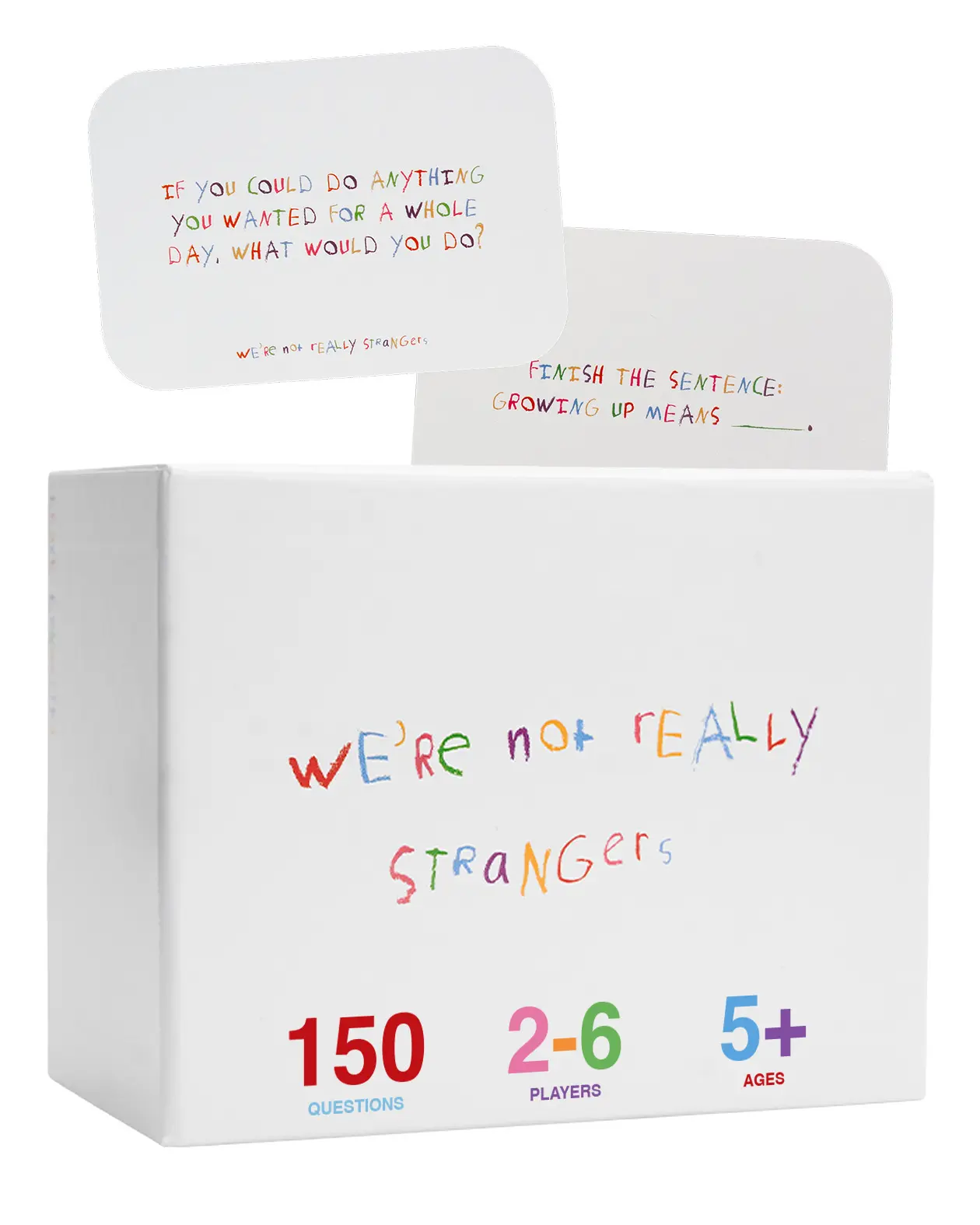

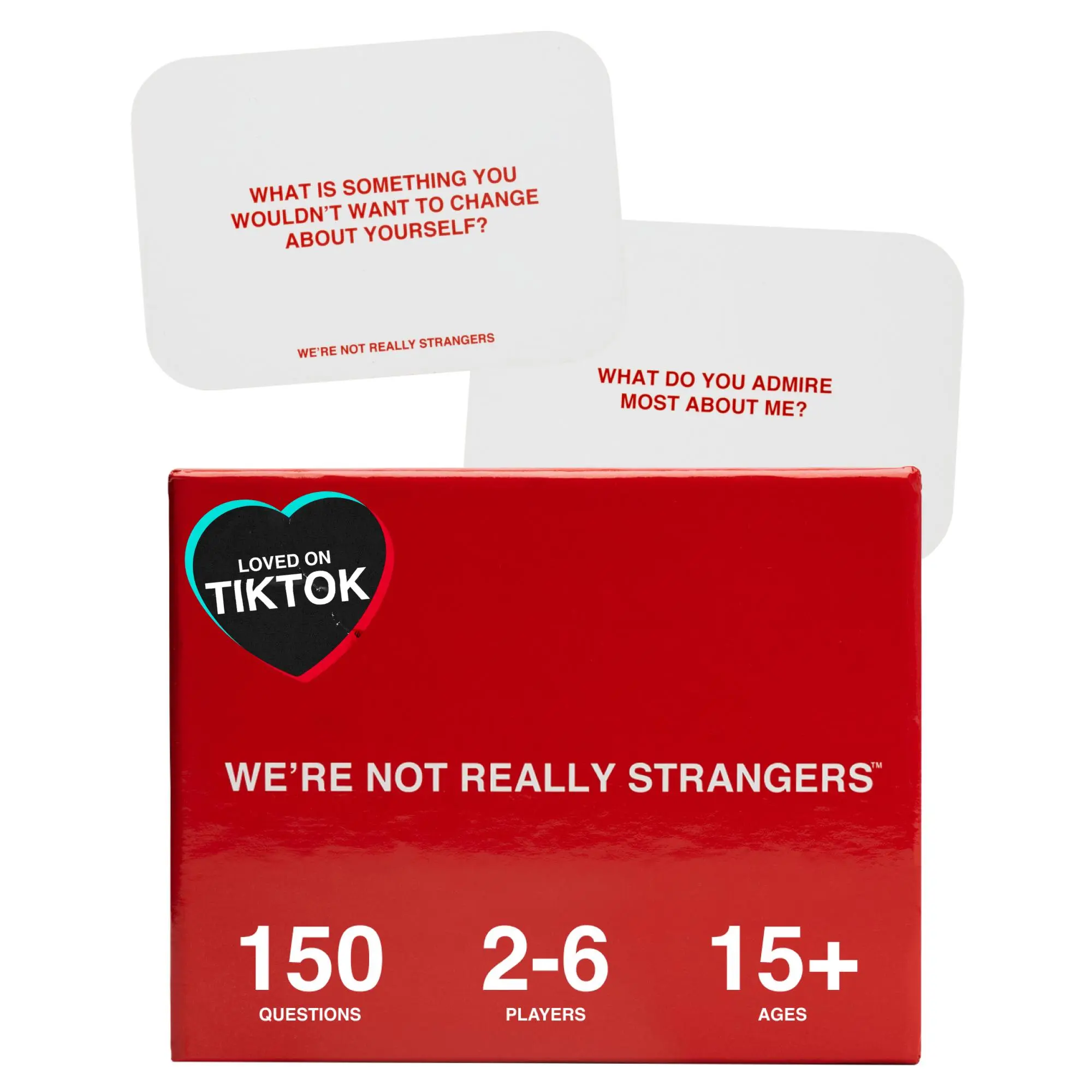




We're Not Really Strangers

4.9
20.9K sold
$25.00


We're Not Really Strangers
5.0
34 sold
$43.67


5.0
239 sold

-26%$22.30$29.99

We're Not Really Strangers
4.8
2.3K sold
$20.00

We're Not Really Strangers
5.0
12 sold
$56.17


We're Not Really Strangers
4.5
5.5K sold
$20.00

We're Not Really Strangers
5.0
11 sold
$36.00


We're Not Really Strangers
4.7
34.7K sold
$25.99
Related Searches
Related Categories
Introduction
Getting to know you games are essential tools for breaking the ice and building relationships, especially in settings like classrooms or camps. These engaging activities encourage participants to share personal stories, interests, and fun facts, creating a friendly atmosphere. Whether you're a teacher looking to enhance your classroom dynamics or a facilitator aiming to promote teamwork, incorporating getting to know you games can significantly improve interactions.
Here are some popular getting to know you games that you might consider:
Regularly updating your selection of games based on participant feedback can keep activities fresh and engaging, ensuring everyone looks forward to these interactive sessions.
Here are some popular getting to know you games that you might consider:
- Two Truths and a Lie: Each participant shares two true statements and one falsehood about themselves. Others guess which one is the lie.
- Human Bingo: Create bingo cards with various personal traits or experiences. Participants mingle to find others who match the descriptions.
- Share Your Story: Participants take turns sharing a brief story about themselves, fostering deeper connections.
- Find Someone Who: A list is provided with various characteristics (e.g., has traveled to another country). Participants find peers who fit the descriptions.
Regularly updating your selection of games based on participant feedback can keep activities fresh and engaging, ensuring everyone looks forward to these interactive sessions.